Are you tired of the guesswork and inconsistent results that often come with making hard-boiled eggs on the stovetop? As your dedicated expert from EggCookerPro, I’m here to tell you that the humble egg cooker for hard-boiled eggs is a game-changer, simplifying your kitchen routine and ensuring perfectly cooked eggs with minimal effort. This unassuming appliance has evolved into a must-have for anyone seeking convenience, precision, and delicious, easy-to-peel eggs consistently.
|
Our Picks for the Best Egg Cooker in 2026
As an Amazon Associate I earn from qualifying purchases.
|
||
| Num | Product | Action |
|---|---|---|
| 1 | Elite Gourmet EGC115B Easy Egg Cooker Electric 7-Egg Capacity, Soft, Medium, Hard-Boiled Egg Cooker with Auto Shut-Off, Measuring Cup Included, BPA Free, Classic Black |

|
| 2 | Elite Gourmet EGC-007B# Rapid Egg Cooker, 7 Easy-To-Peel, Hard, Medium, Soft Boiled Eggs, Poacher, Omelet Maker, Auto Shut-Off, Alarm, 16-Recipe Booklet, Black |
|
| 3 | Hard Boiled Egg Cooker - CACHOO 14-Egg Rapid Stainless Steel Egg Boiler with 30-Min Timer & Auto Shut Off, Compact Electric Vegetable Steamer for Cooking, Dishwasher Safe, Black |
|
| 4 | Evoloop Rapid Egg Cooker Electric 6 Eggs Capacity, Soft, Medium, Hard Boiled, Poacher, Omelet Maker Egg Poacher With Auto Shut-Off, BPA Free |
|
| 5 | Evoloop Rapid Egg Cooker Electric 6 Eggs Capacity, Soft, Medium, Hard Boiled, Poacher, Omelet Maker Egg Poacher With Auto Shut-Off, BPA Free |
|
| 6 | DASH Electric Rapid Egg Cooker for Hard Boiled/Poached/Scrambled Eggs or Omelets with Auto Shut-Off Feature, Black, 7 Egg Capacity |
|
| 7 | Elite Gourmet EGC1215B Easy Egg Cooker, Stainless-steel Heating Plate, Two-Tiered, 14-Egg Capacity, Soft, Medium, Hard-Boiled, Auto Shut-Off, Omelets, Poached Eggs, Measuring Cup, Piercing Pin, Black |
|
| 8 | Elite Gourmet EGC115M Easy Egg Cooker Electric 7-Egg Capacity, Soft, Medium, Hard-Boiled Egg Cooker with Auto Shut-Off, Measuring Cup Included, BPA Free, Retro Mint |
|
| 9 | Smart Fried Egg Cooker, Automatic Fried Egg Maker for 6 Features like Sunny Side Up, Over Easy, Fully Cooked & More. Auto Power Off, Alarm, Round Shape, Non Stick Coating |
|
| 10 | Dash Rapid Egg Cooker - Boiler, Poacher & Steamer - Includes Measuring & Recipe Guide - Dishwasher Safe - Holds 7 Eggs, Aqua |
|
What is an Egg Cooker and Why It’s Your Hard-Boiled Hero
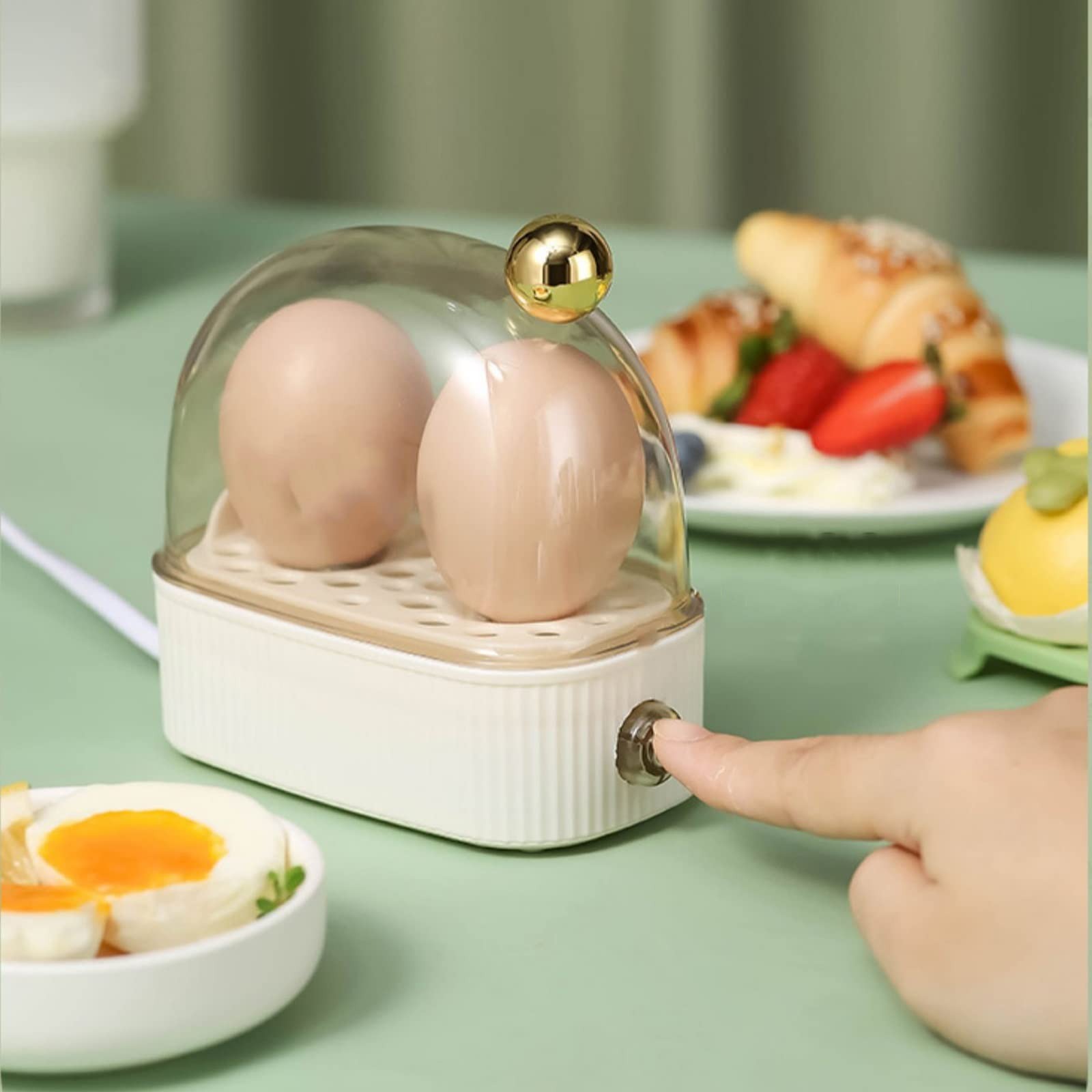
At its core, an egg cooker is a specialized kitchen appliance designed to cook eggs using steam. While many models offer versatility for poaching and omelets, their true superpower, especially for enthusiasts of quick, nutritious meals, lies in their ability to produce consistently perfect hard-boiled eggs. Unlike traditional stovetop methods that require careful timing and monitoring of boiling water, an electric egg cooker automates the process, making it virtually foolproof.
These devices typically consist of a heating plate, a water reservoir, an egg tray, and a lid. The magic happens as a small amount of water is heated to create steam, which then gently cooks the eggs to your desired doneness. When the water has evaporated, the cooker often automatically shuts off and sometimes signals with a buzzer, eliminating the risk of overcooking and leaving you free to focus on other tasks.
Decoding the Types of Egg Cookers for Hard-Boiled Eggs
While there are various egg cooker designs, the most popular and efficient for hard-boiled eggs are electric steam egg cookers.
- Electric Steam Egg Cookers: These are the most common and recommended type. They come in various capacities, from holding a few eggs to a dozen or more. They are celebrated for their precision, ease of use, and consistent results. Most feature an automatic shut-off and a measuring cup with specific markings for different doneness levels (soft, medium, hard).
- Microwave Egg Cookers: While faster, these can be less precise and carry a higher risk of eggs exploding if not used correctly. For consistent, reliable hard-boiled eggs, electric steam cookers are generally preferred.
For the purpose of achieving perfect hard-boiled eggs, our focus remains squarely on the electric steam egg cooker, which truly elevates the experience.
Your Step-by-Step Guide to Perfect Hard-Boiled Eggs with an Egg Cooker
Making hard-boiled eggs in an egg cooker is incredibly straightforward, even for novice cooks. Here’s how to achieve perfection every time:
- Prepare the Eggs: Take your eggs directly from the refrigerator. Many egg cooker measuring cups come with a small pin at the bottom. Use this pin to gently pierce a tiny hole in the larger end of each egg. This small hole helps release internal pressure during cooking, preventing cracks and making the eggs much easier to peel later.
- Add Water: Using the provided measuring cup, add the recommended amount of water to the heating plate’s reservoir. The cup will typically have markings for soft, medium, and hard-boiled eggs, often varying based on the number of eggs you’re cooking. Interestingly, some models require less water for a larger batch of eggs, as more eggs can utilize the steam more efficiently.
- Place the Eggs: Carefully arrange the pierced eggs in the egg tray, ensuring the pierced end faces upwards. Make sure the eggs are not touching each other or the sides of the cooker, allowing steam to circulate evenly.
- Cover and Cook: Place the lid securely on the egg cooker. Plug in the appliance and press the power button. An indicator light will usually turn on, signifying that cooking has begun.
- Wait for Perfection: The egg cooker will generate steam and cook the eggs. Most models automatically shut off and emit an audible chime or buzzer once the water has evaporated and the eggs are done to your selected doneness. For hard-boiled eggs, this typically takes around 12-16 minutes.
- The Ice Bath (Optional but Recommended): Once the cooker signals, carefully remove the eggs (use tongs to avoid steam burns) and immediately plunge them into an ice bath (a bowl of cold water with ice cubes). This rapid cooling stops the cooking process, prevents a greenish ring around the yolk, and significantly aids in easy peeling. Let them cool for a few minutes.
- Peel and Enjoy: After cooling, crack and peel your perfectly hard-boiled eggs. You’ll be amazed at how easily the shells slide off!
Egg Cooker vs. Traditional Stovetop: The Hard-Boiled Battle
For decades, the stovetop has been the go-to for hard-boiling eggs. However, the egg cooker offers several compelling advantages, particularly for hard-boiled eggs.
| Feature | Egg Cooker | Traditional Stovetop Method |
|---|---|---|
| Consistency | Highly consistent, perfectly cooked every time | Can be inconsistent; prone to over/under-cooking |
| Ease of Peeling | Often results in shells that peel effortlessly | Can be notoriously difficult to peel |
| Hands-Free | Set it and forget it, automatic shut-off | Requires monitoring to prevent boil-overs |
| Cleanup | Minimal cleaning, usually just the heating plate | Larger pot to clean, potential for messy boil-overs |
| Energy Efficiency | Uses minimal water and energy for steam | Requires boiling a large pot of water |
| Safety | Automatic shut-off reduces risk | Boiling water can be a burn hazard |
As Chef Eleanor Vance, a renowned culinary expert, often says, “The beauty of an egg cooker for hard-boiled eggs isn’t just the convenience; it’s the sheer reliability. Every egg comes out exactly how you want it, which is invaluable in a busy kitchen.”
Top Tips and Tricks for Flawless Hard-Boiled Eggs
Even with an egg cooker, a few extra tips can elevate your hard-boiled egg game:
- Don’t Skip the Pierce: That tiny hole truly makes a difference in preventing cracks and ensuring easy peeling. It releases trapped air.
- Freshness Matters (for Peeling): While older eggs are often cited as easier to peel, the steaming method of an egg cooker often makes even fresh eggs peel beautifully, especially with an ice bath.
- Immediate Ice Bath: This step is crucial. It halts the cooking process, prevents the unsightly green ring around the yolk (caused by sulfur and iron reacting), and “shocks” the egg, making the membrane separate more easily from the white.
- Storage: Store peeled hard-boiled eggs in an airtight container in the refrigerator for up to a week. Unpeeled eggs last even longer.
Cleaning and Maintenance for Your Egg Cooker
Maintaining your egg cooker is simple and ensures its longevity.
- Unplug and Cool: Always unplug the unit and allow it to cool completely before cleaning.
- Wipe the Heating Plate: The heating plate can develop mineral deposits from water (especially hard water). Wipe it clean with a damp cloth. For stubborn buildup, a common household hack is to add a small amount of white vinegar and water (50/50 mix) to the heating plate, let it sit for 10-15 minutes (do not turn on), then wipe it clean.
- Wash Accessories: The egg tray, poaching tray, and lid can be washed with warm, soapy water or placed on the top rack of a dishwasher if they are dishwasher-safe (check your manual).
- Dry Thoroughly: Ensure all parts are completely dry before reassembling and storing to prevent mildew or corrosion.
The Unbeatable Benefits of Embracing an Egg Cooker
Investing in an egg cooker for hard-boiled eggs brings a multitude of advantages to your kitchen:
- Time-Saving: Its hands-free operation means you can prepare breakfast, pack lunches, or tackle other kitchen tasks while your eggs cook themselves. No more standing over a boiling pot!
- Perfect Consistency: Say goodbye to rubbery whites or undercooked yolks. The steam-cooking method ensures uniform results, giving you perfectly firm whites and creamy, golden yolks every single time.
- Effortless Peeling: For many, the struggle with peeling hard-boiled eggs is real. Egg cookers, especially when combined with the ice bath trick, dramatically improve the ease of peeling, saving you frustration and precious egg white.
- Nutrient Retention: Gentle steam cooking is an excellent way to prepare eggs, preserving their rich nutritional value.
- Energy Efficiency: Using only a small amount of water, egg cookers are generally more energy-efficient than heating a large pot of water on the stove.
- Safety and Convenience: Automatic shut-off features prevent overcooking and reduce the risk of accidents associated with boiling water. It’s a worry-free appliance.
Beyond the Shell: Culinary Adventures with Your Egg Cooker
While the focus here is the stellar performance of an egg cooker for hard-boiled eggs, remember its versatility! Many models also come with trays for making soft-boiled or medium-boiled eggs, poached eggs, and even individual omelets. Imagine whipping up a quick Eggs Benedict or a fluffy mini-omelet with your favorite fillings in minutes. It truly expands your breakfast and snack horizons.
Frequently Asked Questions About Egg Cookers
Q: Do I really need to pierce the egg before cooking in an egg cooker?
A: While not strictly mandatory for all models, piercing the large end of the egg with the provided pin is highly recommended. It helps prevent cracking during cooking by releasing internal pressure and often leads to much easier peeling.
Q: How long does it take to hard boil eggs in an egg cooker?
A: Generally, a hard-boiled egg in an electric egg cooker takes about 12-16 minutes, depending on the model, the number of eggs, and your preferred level of firmness. The automatic shut-off feature ensures you don’t need to time it manually.
Q: Why do my eggs still sometimes crack in the egg cooker?
A: Cracking can happen if the eggs are too cold when placed in the cooker or if the piercing wasn’t quite right. Ensure your eggs aren’t icy cold, and always use the pin to create a small hole at the wider end.
Q: Can I use an egg cooker for other types of eggs, like poached or omelets?
A: Yes, many egg cookers are multi-functional and come with special trays for poaching eggs or making small, fluffy omelets. Check your specific model’s instructions and included accessories.
Q: Is an egg cooker energy efficient?
A: Absolutely! Egg cookers use a small amount of water to generate steam, making them very energy-efficient compared to boiling a large pot of water on a stovetop.
Q: How do I clean the mineral buildup on the heating plate?
A: For mineral deposits (often caused by hard water), let the cooker cool, then add a 50/50 mixture of white vinegar and water to the heating plate. Let it sit for 10-15 minutes (do not turn on the appliance), then wipe clean with a damp cloth. Rinse thoroughly.
Embrace the Egg Cooker Revolution
From my 15 years in the kitchen appliance industry, I can confidently say that the egg cooker for hard-boiled eggs is one of the most underrated tools. It’s not just another gadget; it’s a testament to how intelligent design can simplify everyday cooking, ensuring consistent quality and freeing up your precious time. Whether you’re a seasoned chef or a busy parent, this appliance empowers you to enjoy perfectly cooked, easy-to-peel hard-boiled eggs without fail. So, go ahead, streamline your breakfast routine, enhance your meal prep, and discover the true potential of the modern egg cooker. Your future self (and your taste buds) will thank you.