Are you tired of the morning scramble to get breakfast on the table, often ending with overcooked, rubbery eggs or a messy stovetop? What if you could achieve perfectly cooked eggs, exactly to your liking, every single time, with minimal effort? Enter the Oster egg cooker, a kitchen appliance designed to transform your egg-cooking routine from a chore into a seamless experience. As someone who has spent over 15 years immersed in the world of kitchen gadgets, I can confidently say that the Oster egg cooker stands out as a reliable and indispensable tool for any egg enthusiast. This isn’t just about boiling an egg; it’s about elevating your daily meals, saving precious time, and enjoying consistent, delicious results.
|
Our Picks for the Best Egg Cooker in 2026
As an Amazon Associate I earn from qualifying purchases.
|
||
| Num | Product | Action |
|---|---|---|
| 1 | Elite Gourmet EGC1215B Easy Egg Cooker, Stainless-steel Heating Plate, Two-Tiered, 14-Egg Capacity, Soft, Medium, Hard-Boiled, Auto Shut-Off, Omelets, Poached Eggs, Measuring Cup, Piercing Pin, Black |

|
| 2 | Dash Rapid Egg Cooker - Boiler, Poacher & Steamer - Includes Measuring & Recipe Guide - Dishwasher Safe - Holds 7 Eggs, Aqua |
|
| 3 | Elite Gourmet EGC115B Easy Egg Cooker Electric 7-Egg Capacity, Soft, Medium, Hard-Boiled Egg Cooker with Auto Shut-Off, Measuring Cup Included, BPA Free, Classic Black |
|
| 4 | Evoloop Rapid Egg Cooker Electric 6 Eggs Capacity, Soft, Medium, Hard Boiled, Poacher, Omelet Maker Egg Poacher With Auto Shut-Off, BPA Free |
|
| 5 | Smart Fried Egg Cooker, Automatic Fried Egg Maker for 6 Features like Sunny Side Up, Over Easy, Fully Cooked & More. Auto Power Off, Alarm, Round Shape, Non Stick Coating |
|
| 6 | Hard Boiled Egg Cooker - CACHOO 14-Egg Rapid Stainless Steel Egg Boiler with 30-Min Timer & Auto Shut Off, Compact Electric Vegetable Steamer for Cooking, Dishwasher Safe, Black |
|
| 7 | Elite Gourmet EGC-007B# Rapid Egg Cooker, 7 Easy-To-Peel, Hard, Medium, Soft Boiled Eggs, Poacher, Omelet Maker, Auto Shut-Off, Alarm, 16-Recipe Booklet, Black |
|
| 8 | DASH Electric Rapid Egg Cooker for Hard Boiled/Poached/Scrambled Eggs or Omelets with Auto Shut-Off Feature, Black, 7 Egg Capacity |
|
| 9 | Elite Gourmet EGC115M Easy Egg Cooker Electric 7-Egg Capacity, Soft, Medium, Hard-Boiled Egg Cooker with Auto Shut-Off, Measuring Cup Included, BPA Free, Retro Mint |
|
| 10 | Evoloop Rapid Egg Cooker Electric 6 Eggs Capacity, Soft, Medium, Hard Boiled, Poacher, Omelet Maker Egg Poacher With Auto Shut-Off, BPA Free |
|
A Legacy of Convenience: Understanding the Oster Egg Cooker
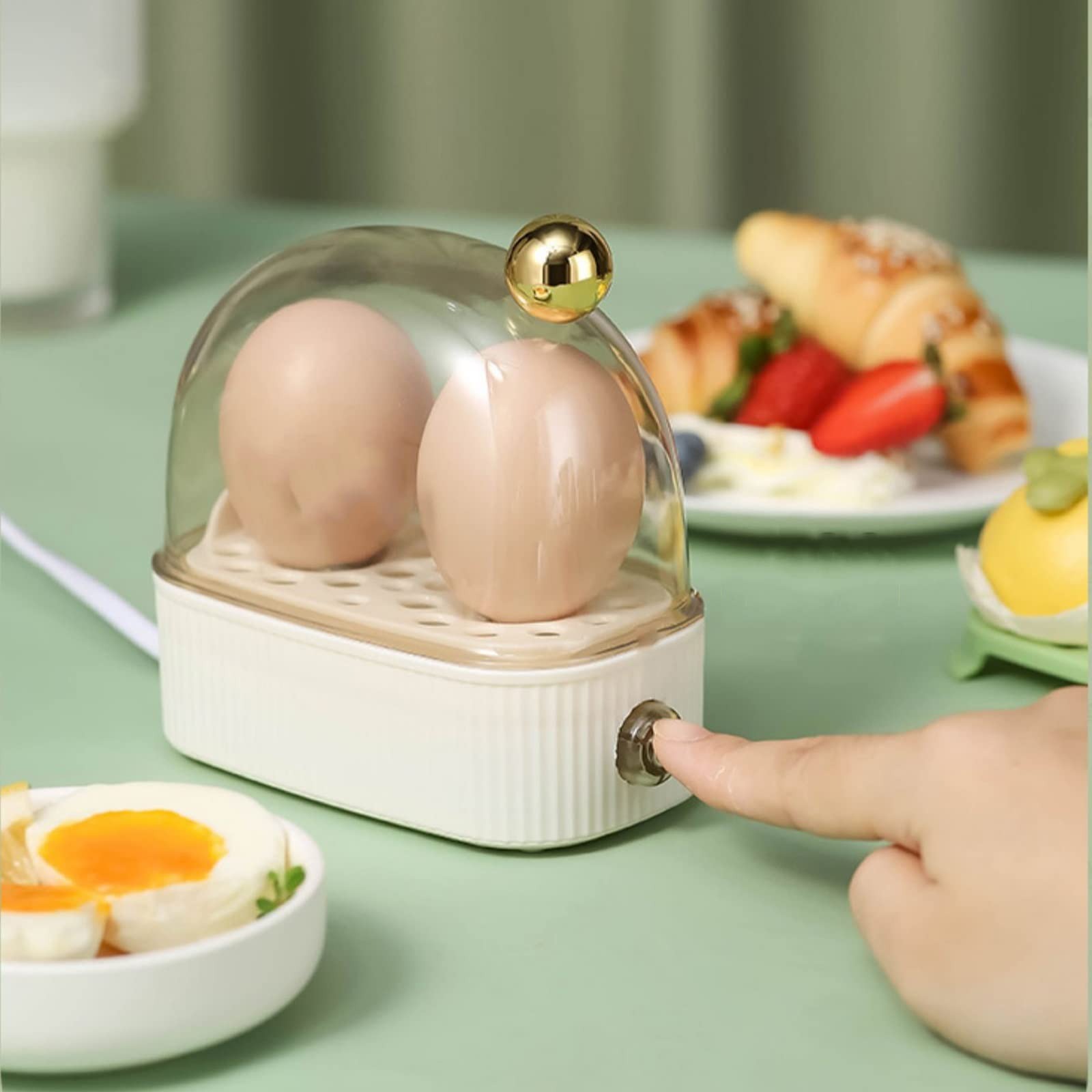
Oster has long been a trusted name in home appliances, known for crafting practical and durable kitchen essentials. Their egg cooker continues this tradition, embodying simplicity and efficiency in one compact device. At its core, an egg cooker operates on a clever principle: steam. By using a precise amount of water, it generates steam that gently yet thoroughly cooks your eggs, whether you prefer them soft, medium, or hard-boiled. This method eliminates the guesswork and constant monitoring required by traditional stovetop boiling, ensuring an even cook and, perhaps most importantly, incredibly easy-to-peel shells.
Unpacking the Magic: Key Features of the Oster Egg Cooker
The Oster egg cooker isn’t just a one-trick pony; it’s engineered with features that make it a versatile workhorse in your kitchen.
- Generous Capacity: Most Oster egg cooker models, such as the popular Oster 4716, can boil up to eight eggs simultaneously, making it ideal for family breakfasts, meal prepping, or even whipping up a batch of deviled eggs for a gathering. It also includes a dedicated poaching dish, allowing you to perfectly poach up to four eggs.
- Set-and-Forget Operation: One of the most beloved features is its automatic shut-off function. Once the water reservoir is empty, signaling that your eggs are cooked to perfection, the appliance automatically powers down, often accompanied by an audible alert or signal light. This means you can truly “set it and forget it,” freeing you up to attend to other morning tasks without worrying about overcooked eggs or a boiling pot overflowing.
- Intuitive Design: Operating an Oster egg cooker is incredibly straightforward, often requiring just one press of a button. The transparent lid allows you to visually monitor the cooking process, adding a touch of kitchen theater to your morning routine.
- Essential Accessories: Every Oster egg cooker comes equipped with thoughtful accessories designed to enhance your experience. This typically includes an egg rack for boiling, a poaching dish for those delicate poached eggs, and a measuring cup. This measuring cup is your secret weapon, featuring distinct lines that guide you to the exact water level needed for soft, medium, or hard-boiled results. A piercing pin, usually integrated into the measuring cup, is also provided to gently prick the larger end of each egg, which helps prevent cracking during cooking.
- Effortless Cleaning: Designed with convenience in mind, many Oster egg cooker components, such as the egg rack and poaching dish, are often non-stick and easy to clean. This ensures that the post-breakfast cleanup is as quick and painless as the cooking itself.
Mastering the Machine: How to Use Your Oster Egg Cooker
Getting started with your Oster egg cooker is wonderfully simple. Here’s how to achieve flawless results every time:
Step-by-Step for Perfect Boiled Eggs
- Measure Your Water: Using the included measuring cup, add the appropriate amount of water to the heating plate in the base of the cooker. The cup will have clearly marked lines for soft, medium, and hard-boiled eggs. For slightly firmer or softer results, you can adjust the water level marginally.
- Pierce the Eggs: With the piercing pin located on the bottom of your measuring cup, gently poke a small hole in the larger end of each egg. This tiny hole allows steam to escape, preventing the eggs from cracking during cooking and making them significantly easier to peel afterward.
- Place the Eggs: Arrange your pierced eggs on the egg rack, with the pierced side facing upwards.
- Cover and Cook: Place the lid securely on the cooker and press the power button. The indicator light will illuminate, signaling that cooking has begun.
- Wait for the Signal: The Oster egg cooker will automatically shut off and emit a sound or the light will turn off when your eggs are ready.
- Remove Immediately: For optimal results and to prevent overcooking, carefully remove the lid (using oven mitts, as steam will be hot) and transfer the eggs to a bowl of ice water or run them under cold tap water for a few minutes. This “shocking” stops the cooking process and further aids in easy peeling.
- For Additional Eggs: If you plan to cook another batch immediately, it’s best to allow the cooker’s base to cool down first. You can speed this up by adding a cup of cold water or a few ice cubes to the base for about three minutes, then dry it thoroughly before starting again.
Crafting Delightful Poached Eggs
- Prepare the Poaching Dish: Lightly grease the poaching dish with butter or a vegetable spray to prevent sticking.
- Add Water: Pour water into the cooker base, typically to a marked line or approximately three tablespoons, as indicated in your manual.
- Place Eggs: Position the inverted egg rack in the base, then place the greased poaching dish over it. Crack one to four eggs directly into the individual poaching cups.
- Cover and Cook: Secure the lid and press the control button.
- Serve: Once the cooker signals completion, carefully lift out the poaching dish. Gently loosen and remove the perfectly poached eggs with a rubber spatula.
The Oster Advantage: Why an Egg Cooker Belongs in Your Kitchen
Investing in an Oster egg cooker offers a plethora of benefits that extend far beyond simply boiling an egg.
- Unwavering Consistency and Perfection: Say goodbye to the frustrating roulette of stovetop boiling. With an Oster egg cooker, you gain precise control over doneness, ensuring no more green rings around overcooked yolks or undercooked, runny whites. The steam-cooking method also ensures your hard-boiled eggs are a breeze to peel, a game-changer for anyone who has struggled with stubborn shells. As culinary expert Chef Julian Thompson often remarks, “The beauty of a dedicated egg cooker like the Oster is its utter reliability. It takes the guesswork out of the equation, giving you professional results with zero fuss.”
- Remarkable Time and Energy Efficiency: In our fast-paced world, every minute counts. An Oster egg cooker can cook eggs faster than waiting for a pot of water to boil on a traditional stovetop. This makes it an invaluable ally for busy mornings. Furthermore, these compact appliances are significantly more energy-efficient than using a full stovetop burner, translating into noticeable savings on your utility bills over time.
- Enhanced Safety and Peace of Mind: The automatic shut-off feature provides an unmatched level of safety. You don’t need to hover over a hot stove, eliminating the risk of boiling water accidents or forgotten pots. It’s truly a “set-it-and-forget-it” convenience that brings peace of mind to your kitchen.
- Surprising Versatility Beyond Basic Eggs: While its name highlights its primary function, an Oster egg cooker can do more. Many users find it excellent for steaming small portions of vegetables, heating up breakfast sausages, or even gently warming bao buns. Its core function of steam cooking opens up a world of minor culinary possibilities, adding extra value without cluttering your counter with additional gadgets.
- Effortless Cleanup: The non-stick surfaces and removable, often dishwasher-safe, components make cleaning an absolute breeze. A quick wipe-down is usually all that’s needed, saving you time and effort after your meal.
Traditional vs. Tech: Oster Egg Cooker vs. Stovetop Boiling
Let’s be honest, we’ve all boiled eggs on the stove. But how does the traditional method truly stack up against the modern Oster egg cooker?
| Feature | Traditional Stovetop Boiling | Oster Egg Cooker |
|---|---|---|
| Consistency | Prone to variability (pot size, water temp, heat level). | Highly consistent, precise doneness every time. |
| Effort/Monitoring | Requires constant attention, timing, and temperature control. | Set-and-forget, automatic shut-off. |
| Peeling Ease | Can be difficult, leading to torn whites and frustration. | Steam cooking often results in remarkably easy-to-peel shells. |
| Safety | Risk of boiling over, burns from hot water/pot. | Minimal risk due to automatic shut-off and contained steam. |
| Time Efficiency | Slower, as you wait for a large pot of water to boil. | Faster, uses less water, quicker steam generation. |
| Cleanup | Sticky pots, potential for burned-on residue. | Non-stick components, simple wipe-down. |
| Energy Use | Uses more energy heating a large volume of water. | Energy-efficient, targeted heating. |
Nurturing Your Oster: Care and Maintenance for Longevity
To ensure your Oster egg cooker remains a faithful kitchen companion for years to come, a little care goes a long way.
- Tackling Mineral Deposits: The heating plate in the base can accumulate mineral deposits from water, especially in hard water areas. To clean this, mix one cup (250 ml) of water with one tablespoon (15 ml) of cream of tartar. Pour it into the base, plug in the unit, and let it heat for about 10 minutes. Unplug, discard the water, and wipe with a damp sponge. Alternatively, a solution of white vinegar and water can work wonders.
- Cleaning the Egg Rack and Trays: For the egg rack, a sprinkle of baking soda and a rub with a damp cloth can remove any residue. Rinse and dry thoroughly. For the poaching tray, allow it to cool, then simply wipe away any remaining egg residue with a dry paper towel. Avoid soaking it in water unnecessarily.
- Protecting Non-Stick Surfaces: To prevent the non-stick coating on your poaching tray from peeling, always use non-metal utensils (silicone or plastic) when removing eggs.
- General Cleaning: All removable, non-electrical parts should be washed with warm, soapy water or, if specified by your model’s manual, placed on the top rack of your dishwasher. Always ensure the electrical base unit is unplugged and never immersed in water.
Unleashing Your Inner Chef: Recipes with Your Oster Egg Cooker
The versatility of the Oster egg cooker extends to countless culinary creations. While it excels at the basics, it lays the foundation for many delicious dishes.
- Classic Comforts: Use perfectly hard-boiled eggs for creamy egg salads, vibrant deviled eggs, or as a protein boost in your lunchtime salads. Soft-boiled eggs are divine atop toast or ramen.
- Brunch Favorites: The poaching function is perfect for homemade Eggs Benedict or a simple avocado toast with a perfectly runny poached egg.
- Creative Explorations: Get creative by using the poaching tray to make mini omelets or egg bites. Whisk eggs with your favorite fillings (cheese, spinach, ham) and cook for a quick, healthy snack or breakfast on the go. You can even use the steaming function for small veggies to accompany your eggs.
Frequently Asked Questions About the Oster Egg Cooker
How do I adjust the doneness of my eggs in the Oster egg cooker?
The doneness of your eggs in an Oster egg cooker primarily depends on the amount of water you add to the heating plate. The included measuring cup has specific lines for soft, medium, and hard-boiled eggs. If your eggs are consistently too soft, try adding a tiny bit more water next time; if they’re too hard, use slightly less.
Can I put cold eggs directly into the Oster egg cooker?
Yes, you can absolutely put cold eggs straight from the refrigerator into your Oster egg cooker. The appliance is designed to handle eggs at various starting temperatures, making it incredibly convenient for daily use.
Why is it important to pierce the eggshell before cooking?
Piercing a small hole in the larger end of the egg allows steam to escape during the cooking process. This helps to prevent the eggshells from cracking under pressure and, as a bonus, makes the eggs significantly easier to peel once cooked.
Is an Oster egg cooker energy efficient?
Compared to boiling water on a traditional stovetop burner, an Oster egg cooker is indeed more energy-efficient. It uses a smaller volume of water, which heats up quickly, and the automatic shut-off ensures no energy is wasted once cooking is complete.
What should I do if the non-stick coating on my poaching tray starts to peel?
If the non-stick coating on your poaching tray begins to peel, it’s often due to using metal utensils or abrasive cleaning. While it’s best to contact Oster customer support for a replacement tray if available, ensure you only use silicone or plastic utensils and gentle cleaning methods to prevent future damage.
The Final Word: Elevate Your Egg Experience
The Oster egg cooker is more than just another kitchen appliance; it’s a testament to how intelligent design can simplify daily routines and enhance the quality of our meals. From its robust construction and user-friendly features to its consistent, perfect results, the Oster egg cooker truly stands out. It’s a device that saves time, conserves energy, and delivers on its promise of perfectly cooked eggs every single time, whether you’re a connoisseur of soft-boiled eggs or a devotee of hard-boiled perfection. Embrace the convenience and join the community of savvy home cooks who have already discovered the transformative power of this humble yet mighty kitchen essential. Your perfectly cooked eggs are just a button-press away!