Are you tired of cracked shells, green yolks, or the endless waiting game by the stovetop when trying to make a hard boiled egg cooker? For anyone who loves a perfectly cooked egg but dreads the unpredictability of traditional methods, an electric hard boiled egg cooker might just be your kitchen’s new best friend. This compact gadget has transformed the art of egg preparation, making it easier, faster, and more consistent than ever to achieve that ideal hard-boiled texture, every single time. Say goodbye to guesswork and hello to effortless perfection with this indispensable tool.
|
Our Picks for the Best Egg Cooker in 2026
As an Amazon Associate I earn from qualifying purchases.
|
||
| Num | Product | Action |
|---|---|---|
| 1 | Elite Gourmet EGC115B Easy Egg Cooker Electric 7-Egg Capacity, Soft, Medium, Hard-Boiled Egg Cooker with Auto Shut-Off, Measuring Cup Included, BPA Free, Classic Black |

|
| 2 | Dash Rapid Egg Cooker - Boiler, Poacher & Steamer - Includes Measuring & Recipe Guide - Dishwasher Safe - Holds 7 Eggs, Aqua |
|
| 3 | Elite Gourmet EGC115M Easy Egg Cooker Electric 7-Egg Capacity, Soft, Medium, Hard-Boiled Egg Cooker with Auto Shut-Off, Measuring Cup Included, BPA Free, Retro Mint |
|
| 4 | Evoloop Rapid Egg Cooker Electric 6 Eggs Capacity, Soft, Medium, Hard Boiled, Poacher, Omelet Maker Egg Poacher With Auto Shut-Off, BPA Free |
|
| 5 | Smart Fried Egg Cooker, Automatic Fried Egg Maker for 6 Features like Sunny Side Up, Over Easy, Fully Cooked & More. Auto Power Off, Alarm, Round Shape, Non Stick Coating |
|
| 6 | Elite Gourmet EGC-007B# Rapid Egg Cooker, 7 Easy-To-Peel, Hard, Medium, Soft Boiled Eggs, Poacher, Omelet Maker, Auto Shut-Off, Alarm, 16-Recipe Booklet, Black |
|
| 7 | Hard Boiled Egg Cooker - CACHOO 14-Egg Rapid Stainless Steel Egg Boiler with 30-Min Timer & Auto Shut Off, Compact Electric Vegetable Steamer for Cooking, Dishwasher Safe, Black |
|
| 8 | DASH Electric Rapid Egg Cooker for Hard Boiled/Poached/Scrambled Eggs or Omelets with Auto Shut-Off Feature, Black, 7 Egg Capacity |
|
| 9 | Elite Gourmet EGC1215B Easy Egg Cooker, Stainless-steel Heating Plate, Two-Tiered, 14-Egg Capacity, Soft, Medium, Hard-Boiled, Auto Shut-Off, Omelets, Poached Eggs, Measuring Cup, Piercing Pin, Black |
|
| 10 | Evoloop Rapid Egg Cooker Electric 6 Eggs Capacity, Soft, Medium, Hard Boiled, Poacher, Omelet Maker Egg Poacher With Auto Shut-Off, BPA Free |
|
The Evolution of Effortless Egg Cooking: A Brief History
For centuries, boiling eggs involved a pot, water, and careful timing. The advent of the electric egg cooker marked a significant leap forward in kitchen convenience. Originally designed to simplify the process and eliminate common cooking errors, these devices have evolved from basic steamers into multi-functional appliances. Early models focused solely on steam cooking for consistency, but modern hard boiled egg cooker units now boast features for various egg styles, from soft-boiled to poached, catering to diverse culinary preferences and making egg preparation genuinely foolproof.
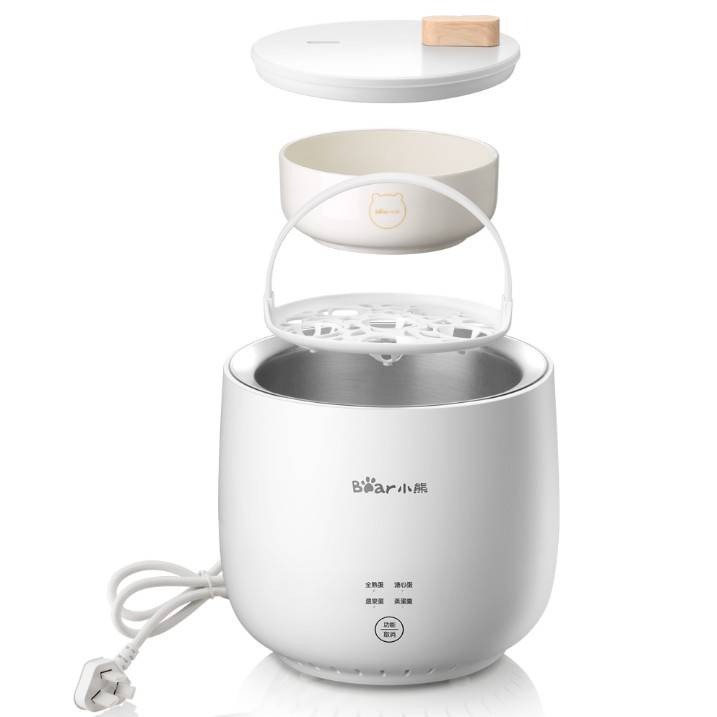
Unpacking the Different Types of Hard Boiled Egg Cookers
While the core function remains consistent – using steam to cook eggs – hard boiled egg cookers come in a few primary types, each with slight variations that might appeal to different users:
Electric Steam Egg Cookers
These are the most common type. They consist of a heating plate, a water measuring cup, and a tray to hold the eggs. They cook eggs using steam generated from a small amount of water, typically producing perfectly cooked eggs with minimal effort. They often feature an automatic shut-off and a buzzer to signal when eggs are done.
Microwave Egg Cookers
Designed for rapid cooking in a microwave, these are usually plastic containers where eggs are placed with a bit of water. While faster, achieving consistent hard-boiled results can be trickier, and they sometimes carry a risk of eggs exploding if not used correctly. They lack the precision and consistency of electric steam models for dedicated hard-boiling.
Multi-Functional Pressure Cookers
Some advanced pressure cookers and instant pots include an egg rack and specific settings for cooking eggs. These can produce excellent hard-boiled eggs due to the precise temperature and pressure control, offering versatility for users who already own such appliances and want to consolidate kitchen gadgets.
For truly consistent and hands-free hard boiling, the dedicated electric steam hard boiled egg cooker remains the gold standard.
Mastering Your Hard Boiled Egg Cooker: A Step-by-Step Guide
Using a hard boiled egg cooker is incredibly simple, making it a favorite for busy mornings or meal prep. Here’s how to get started:
- Add Water: Use the included measuring cup to add the recommended amount of water to the heating plate. The water level determines the doneness (soft, medium, or hard-boiled).
- Pierce Eggs (Optional but Recommended): Gently pierce the larger end of each egg with the pin provided on the measuring cup. This helps prevent cracking during cooking and makes peeling easier.
- Place Eggs: Position the eggs on the cooking rack, pierced side up.
- Cover and Power On: Place the lid securely on the cooker and plug it in. The cooker will start steaming.
- Wait for the Signal: Most cookers have an indicator light and an audible buzzer that signals when the water has evaporated and the eggs are cooked to your desired doneness.
- Cool Immediately: Once the cooking cycle is complete, promptly transfer the eggs to an ice bath or run them under cold water. This stops the cooking process, prevents the dreaded green ring around the yolk, and makes them significantly easier to peel.
“The secret to a perfectly peelable hard-boiled egg isn’t just in the cooking, but in the immediate cool-down. It’s a game-changer!” advises Chef Amelia Stone, a culinary expert and cookbook author.
Hard-Boiled Showdown: Egg Cooker vs. Traditional Stovetop
For generations, the stovetop method was the only way. But how does it stack up against the modern convenience of an electric hard boiled egg cooker?
| Feature | Electric Egg Cooker | Traditional Stovetop Method |
|---|---|---|
| Consistency | High – precise water measurement, steam cooking | Variable – depends on pot size, heat, timing |
| Ease of Use | Very easy – set and forget | Requires monitoring, timing, and attention |
| Peeling | Generally easier, due to consistent steam | Can be difficult, especially with fresh eggs |
| Cracked Shells | Less common, especially with piercing | More prone to cracking from boiling water |
| Energy Use | Energy-efficient, uses minimal water | Uses more water and heat, less efficient |
| Footprint | Compact, dedicated appliance | Uses a stovetop burner and pot |
| Versatility | Often includes soft, medium, poached, omelet | Primarily hard boiling, unless manual methods |
| Safety | Automatic shut-off, no open flame | Requires gas/electric stovetop, watchful eye |
The convenience, consistency, and safety benefits of an electric hard boiled egg cooker make it a superior choice for many home cooks.
Pro Tips for Achieving Hard-Boiled Perfection
Want to elevate your hard-boiled egg game? Here are some expert tips to ensure flawless results every time with your hard boiled egg cooker:
- Don’t Overfill: Stick to the recommended water levels for your desired doneness. Too much water will result in overcooked, rubbery eggs.
- Use Room Temperature Eggs: While not strictly necessary for all cookers, using eggs closer to room temperature can help prevent cracking and promote more even cooking.
- Immediate Ice Bath: This step is crucial! Plunging eggs into an ice bath immediately after cooking stops the residual heat, preventing a grey-green ring around the yolk and making peeling a breeze.
- Store Properly: Peeled hard-boiled eggs can be stored in an airtight container in the refrigerator for up to a week. Unpeeled eggs last even longer.
- Clean Regularly: Residue from mineral deposits can build up on the heating plate. Clean it regularly with a vinegar solution or a descaling agent to maintain efficiency.
Maintaining Your Egg Cooker for Years of Service
A hard boiled egg cooker is a simple appliance, but a little care goes a long way in ensuring its longevity:
- Descaling the Heating Plate: Mineral deposits from water can accumulate on the heating plate. To clean, pour a mixture of equal parts white vinegar and water onto the heating plate, let it sit for 15-30 minutes, then wipe clean.
- Wipe Down Exterior: Use a damp cloth to wipe down the exterior of the cooker after each use.
- Wash Removable Parts: The egg tray, lid, and measuring cup are usually dishwasher-safe or can be easily washed with warm, soapy water. Ensure all parts are dry before reassembling.
- Store Safely: Store your egg cooker in a dry, cool place when not in use, away from direct sunlight or extreme temperatures.
The Undeniable Benefits of an Electric Egg Cooker
Beyond just convenience, incorporating a hard boiled egg cooker into your kitchen routine offers a multitude of advantages:
- Precision and Consistency: No more guessing games. You get perfectly cooked eggs to your exact preference every single time.
- Time-Saving: The “set it and forget it” nature allows you to focus on other tasks while your eggs cook hands-free.
- Energy Efficiency: These compact appliances use significantly less water and energy than boiling a pot on the stovetop.
- Easy Peeling: The steam cooking method often results in eggs that are remarkably easier to peel, reducing frustration and waste.
- Versatility: Many models offer settings for soft, medium, and hard-boiled eggs, as well as poaching and omelet functions.
- Safety: With automatic shut-off features, there’s no risk of water boiling dry or an unattended pot on the stove.
- Healthy Eating: Encourages the inclusion of nutrient-rich eggs in your diet by making preparation so simple.
“I can’t imagine my morning routine without my egg cooker,” says Sarah Jenkins, a registered dietitian. “It’s not just about convenience; it’s about consistently providing a healthy, protein-packed start to my day without any fuss.”
Beyond Breakfast: Delicious Dishes with Your Hard-Boiled Eggs
A hard boiled egg cooker isn’t just for breakfast! Perfectly cooked hard-boiled eggs are a versatile ingredient that can elevate numerous dishes:
- Classic Egg Salad: Mash with mayonnaise, mustard, celery, and seasonings for a timeless sandwich filler.
- Deviled Eggs: Halve the eggs, scoop out the yolks, mix with mayo and spices, then pipe back into the whites for a crowd-pleasing appetizer.
- Salad Toppers: Slice or chop over garden salads, Cobb salads, or Niçoise salads for a protein boost.
- Ramen or Noodle Bowls: Add a halved hard-boiled egg to your favorite Asian noodle dishes for extra richness and protein.
- Curried Eggs: Simmer hard-boiled eggs in a flavorful curry sauce for a hearty and aromatic meal.
- Scotch Eggs: Wrap a hard-boiled egg in sausage meat, coat in breadcrumbs, and bake or fry for a British classic.
- Avocado Toast Topper: Add slices to your avocado toast for a satisfying and nutritious twist.
Frequently Asked Questions (FAQ) About Hard Boiled Egg Cookers
Q: Are hard boiled egg cookers worth it?
A: Yes, many users find them well worth the investment due to their ability to consistently produce perfectly cooked eggs with minimal effort, saving time and reducing common cooking frustrations.
Q: Can I use fresh eggs in a hard boiled egg cooker?
A: Absolutely! Hard boiled egg cookers handle fresh eggs beautifully. The steam cooking method and optional piercing pin often lead to easier peeling even with very fresh eggs, which can be notoriously difficult to peel when boiled traditionally.
Q: How do I prevent my eggs from cracking in an egg cooker?
A: Using the provided piercing pin to make a tiny hole in the larger end of the egg before cooking can significantly help prevent cracking by allowing steam to escape and reducing internal pressure.
Q: How long do hard-boiled eggs last after being cooked in an egg cooker?
A: Hard-boiled eggs, whether peeled or unpeeled, can be stored in an airtight container in the refrigerator for up to one week. It’s best to cool them immediately after cooking for optimal freshness and safety.
Q: Do hard boiled egg cookers use a lot of electricity?
A: No, hard boiled egg cookers are generally very energy-efficient. They use a small amount of water and heat, consuming minimal electricity compared to boiling a pot of water on an electric stovetop.
Q: Can I cook different doneness levels at the same time?
A: Most electric steam egg cookers will cook all eggs to the same doneness level based on the amount of water added. If you want a mix of soft, medium, and hard-boiled, you would typically need to do separate batches.
The Final Word: Embrace the Hard Boiled Egg Cooker Revolution
For decades, the humble egg has been a staple in kitchens worldwide, and the pursuit of the perfect hard-boiled egg a noble quest. With an electric hard boiled egg cooker, that quest culminates in consistent, effortless perfection. This simple yet ingenious appliance empowers home cooks to enjoy perfectly prepared eggs every time, opening up a world of culinary possibilities, from quick snacks to gourmet dishes. It’s an investment in convenience, health, and culinary confidence that pays dividends with every flawlessly cooked egg. So, if you’re ready to elevate your egg game, it’s time to welcome an egg cooker into your kitchen – your taste buds will thank you!