Tired of the constant guesswork when making hard-boiled eggs? Do you often end up with undercooked yolks or those unappealing greenish-gray rings? Finding the Best Hard Boiled Egg Cooker can genuinely transform your kitchen routine, delivering consistent, perfectly cooked eggs without the fuss. This isn’t just about convenience; it’s about achieving culinary precision for everything from quick breakfast bites to elegant deviled eggs.
The Rise of the Egg Cooker: A Kitchen Essential
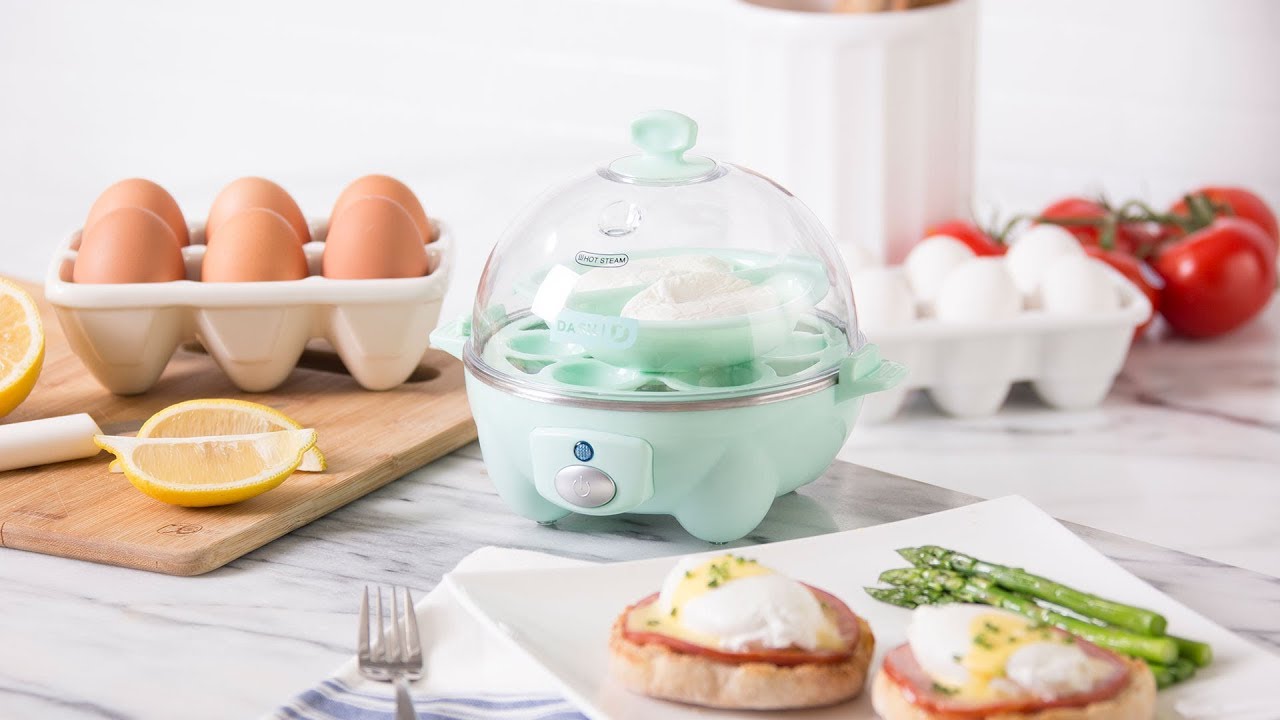
For centuries, boiling eggs involved a pot, water, and a watchful eye. The evolution of kitchen appliances, however, brought us the dedicated egg cooker, a simple yet ingenious device designed to take the guesswork out of egg preparation. From its humble beginnings as a basic steamer, modern egg cookers have integrated smart technology, offering precision and versatility that traditional methods simply can’t match. They harness the power of steam to cook eggs evenly, ensuring that each one reaches your desired doneness, consistently. This small appliance has quickly become a must-have for anyone who appreciates a perfectly cooked egg without the hassle.
Our Picks for the Best Egg Cooker in 2026
As an Amazon Associate I earn from qualifying purchases.
Num
Product
Action
1
Elite Gourmet EGC115M Easy Egg Cooker Electric 7-Egg Capacity, Soft, Medium, Hard-Boiled Egg Cooker with Auto Shut-Off, Measuring Cup Included, BPA Free, Retro Mint

2
Hard Boiled Egg Cooker - CACHOO 14-Egg Rapid Stainless Steel Egg Boiler with 30-Min Timer & Auto Shut Off, Compact Electric Vegetable Steamer for Cooking, Dishwasher Safe, Black
3
Elite Gourmet EGC1215B Easy Egg Cooker, Stainless-steel Heating Plate, Two-Tiered, 14-Egg Capacity, Soft, Medium, Hard-Boiled, Auto Shut-Off, Omelets, Poached Eggs, Measuring Cup, Piercing Pin, Black
4
Dash Rapid Egg Cooker - Boiler, Poacher & Steamer - Includes Measuring & Recipe Guide - Dishwasher Safe - Holds 7 Eggs, Aqua
5
Evoloop Rapid Egg Cooker Electric 6 Eggs Capacity, Soft, Medium, Hard Boiled, Poacher, Omelet Maker Egg Poacher With Auto Shut-Off, BPA Free
6
Elite Gourmet EGC115B Easy Egg Cooker Electric 7-Egg Capacity, Soft, Medium, Hard-Boiled Egg Cooker with Auto Shut-Off, Measuring Cup Included, BPA Free, Classic Black
7
Elite Gourmet EGC-007B# Rapid Egg Cooker, 7 Easy-To-Peel, Hard, Medium, Soft Boiled Eggs, Poacher, Omelet Maker, Auto Shut-Off, Alarm, 16-Recipe Booklet, Black
8
Evoloop Rapid Egg Cooker Electric 6 Eggs Capacity, Soft, Medium, Hard Boiled, Poacher, Omelet Maker Egg Poacher With Auto Shut-Off, BPA Free
9
DASH Electric Rapid Egg Cooker for Hard Boiled/Poached/Scrambled Eggs or Omelets with Auto Shut-Off Feature, Black, 7 Egg Capacity
10
Smart Fried Egg Cooker, Automatic Fried Egg Maker for 6 Features like Sunny Side Up, Over Easy, Fully Cooked & More. Auto Power Off, Alarm, Round Shape, Non Stick Coating
|
Our Picks for the Best Egg Cooker in 2026
As an Amazon Associate I earn from qualifying purchases.
|
||
| Num | Product | Action |
|---|---|---|
| 1 | Elite Gourmet EGC115M Easy Egg Cooker Electric 7-Egg Capacity, Soft, Medium, Hard-Boiled Egg Cooker with Auto Shut-Off, Measuring Cup Included, BPA Free, Retro Mint |
|
| 2 | Hard Boiled Egg Cooker - CACHOO 14-Egg Rapid Stainless Steel Egg Boiler with 30-Min Timer & Auto Shut Off, Compact Electric Vegetable Steamer for Cooking, Dishwasher Safe, Black |
|
| 3 | Elite Gourmet EGC1215B Easy Egg Cooker, Stainless-steel Heating Plate, Two-Tiered, 14-Egg Capacity, Soft, Medium, Hard-Boiled, Auto Shut-Off, Omelets, Poached Eggs, Measuring Cup, Piercing Pin, Black |
|
| 4 | Dash Rapid Egg Cooker - Boiler, Poacher & Steamer - Includes Measuring & Recipe Guide - Dishwasher Safe - Holds 7 Eggs, Aqua |
|
| 5 | Evoloop Rapid Egg Cooker Electric 6 Eggs Capacity, Soft, Medium, Hard Boiled, Poacher, Omelet Maker Egg Poacher With Auto Shut-Off, BPA Free |
|
| 6 | Elite Gourmet EGC115B Easy Egg Cooker Electric 7-Egg Capacity, Soft, Medium, Hard-Boiled Egg Cooker with Auto Shut-Off, Measuring Cup Included, BPA Free, Classic Black |
|
| 7 | Elite Gourmet EGC-007B# Rapid Egg Cooker, 7 Easy-To-Peel, Hard, Medium, Soft Boiled Eggs, Poacher, Omelet Maker, Auto Shut-Off, Alarm, 16-Recipe Booklet, Black |
|
| 8 | Evoloop Rapid Egg Cooker Electric 6 Eggs Capacity, Soft, Medium, Hard Boiled, Poacher, Omelet Maker Egg Poacher With Auto Shut-Off, BPA Free |
|
| 9 | DASH Electric Rapid Egg Cooker for Hard Boiled/Poached/Scrambled Eggs or Omelets with Auto Shut-Off Feature, Black, 7 Egg Capacity |
|
| 10 | Smart Fried Egg Cooker, Automatic Fried Egg Maker for 6 Features like Sunny Side Up, Over Easy, Fully Cooked & More. Auto Power Off, Alarm, Round Shape, Non Stick Coating |
|
Decoding the Options: Types of Hard Boiled Egg Cookers
When searching for the best hard boiled egg cooker, you’ll encounter a few main types, each with its own advantages:
- Electric Egg Cookers: These are the most common and popular models. They typically feature a heating plate, a water reservoir, an egg tray, and a lid. By adding a precise amount of water, these cookers generate steam to cook the eggs. Many come with automatic shut-off functions and audible alerts, making them incredibly user-friendly. Brands like Dash, Cuisinart, and Elite Gourmet offer a range of capacities, from small 6-egg models to larger 10- or 12-egg versions, ideal for families or meal prepping.
- Microwave Egg Cookers: While less common for “hard-boiled” eggs in the traditional sense, these devices utilize microwave energy to cook eggs quickly. They are often compact and suitable for those with limited counter space or who prefer speed above all else. However, consistency can sometimes vary more than with electric models.
- Multi-Function Egg Cookers: Some electric models go beyond just boiling, offering trays for poaching, scrambling, or making omelets and egg bites. These versatile machines provide more bang for your buck, allowing you to explore a wider range of egg dishes with a single appliance.
Mastering Your Machine: How to Use Your Hard Boiled Egg Cooker
Using a dedicated egg cooker for hard-boiled eggs is remarkably straightforward, designed to be foolproof for everyone from novice cooks to seasoned chefs. While specific instructions might vary slightly by model, the general process remains consistent for most electric egg cookers:
- Prepare Your Eggs: Gently pierce the wider end of each egg with the pin tool usually found on the bottom of the measuring cup. This helps prevent cracking during cooking and can lead to easier peeling. Place the eggs on the egg tray, pointy side down.
- Add Water: Consult your cooker’s measuring cup or manual for the recommended water level for hard-boiled eggs. Fill the measuring cup with cold water to the indicated line and pour it onto the heating plate at the base of the cooker. The amount of water is crucial as it determines the cooking time and doneness.
- Assemble and Cook: Place the egg tray with the eggs onto the heating plate, then secure the lid firmly. Plug in the cooker and press the power button. An indicator light will usually signal that it’s working.
- Wait for the Magic: The cooker will use the steam generated from the boiling water to cook your eggs. Most models feature an automatic shut-off and an audible buzzer or chime when the water has evaporated and the eggs are perfectly cooked.
- Ice Bath (Optional, but Recommended): Once the cooker signals completion, immediately turn it off and carefully remove the eggs. For easier peeling and to halt the cooking process, transfer them to an ice bath for 5-10 minutes. This quick chill helps the egg whites contract, separating them from the shell membrane.
This simple process eliminates the need for constant monitoring, allowing you to focus on other tasks while your best hard boiled egg cooker does the work.
The Egg Cooker Advantage: Traditional vs. Modern Methods
For generations, the stovetop was the go-to for boiling eggs. While effective, it comes with its share of challenges:
- Consistency: Achieving the exact same doneness every time on the stovetop can be tricky, relying on precise timing, water temperature, and pot size. An egg cooker, however, removes these variables, consistently producing eggs to your desired doneness without green rings or undercooked centers.
- Monitoring: Stovetop boiling demands attention to prevent boiling over or overcooking. Egg cookers offer “set-it-and-forget-it” convenience with automatic shut-off features, providing peace of mind.
- Peeling: Many users report that eggs cooked in an electric steamer are significantly easier to peel than those boiled in water, thanks to the gentle, even steam cooking.
- Energy Efficiency: Egg cookers typically use less water and energy than boiling a large pot on a stovetop burner, making them a more energy-efficient choice for preparing a few eggs.
“Using an egg cooker isn’t just a shortcut; it’s an upgrade,” says Chef Julian Thorne, a culinary instructor with two decades of experience. “The consistency of doneness and the sheer ease of peeling are game-changers, especially for anyone who incorporates hard-boiled eggs into their daily diet or meal prep.”
Expert Tips for the Perfect Hard-Boiled Egg
Even with the best hard boiled egg cooker, a few expert tips can elevate your results:
- Don’t Skip the Ice Bath: As mentioned, an ice bath is crucial for easy peeling and stopping the cooking process dead in its tracks.
- Freshness Matters (Less): While traditionally older eggs are easier to peel, egg cookers often make even fresh eggs easier to peel due to the steam method.
- Pierce with Care: If your cooker includes a piercing tool, use it carefully on the wider end of the egg. This tiny hole allows steam to escape, preventing cracks and aiding in easy peeling.
- Clean Your Cooker: Mineral deposits can build up on the heating plate. Regular cleaning with vinegar and water helps maintain efficiency and prevents discoloration.
- Experiment with Doneness: The measuring cup typically has lines for soft, medium, and hard-boiled. Don’t be afraid to experiment slightly with water levels to find your perfect “hard-boiled” egg, as preferences can vary.
Keeping It Clean: Maintenance for Your Egg Cooker
Maintaining your best hard boiled egg cooker is crucial for its longevity and performance. Most models are designed for easy cleaning:
- Heating Plate: The metal heating plate can develop mineral stains over time. To clean, add a small amount of white vinegar mixed with water to the plate and let it sit for 10-15 minutes, then wipe clean. For stubborn stains, a gentle scrub with a non-abrasive sponge can help.
- Removable Parts: The egg tray, poaching tray, and lid are typically dishwasher-safe or can be easily hand-washed with warm, soapy water. Always ensure all non-electronic parts are completely dry before reassembling.
- Exterior: Wipe down the exterior with a damp cloth. Never immerse the electrical base in water.
Regular cleaning not only keeps your appliance looking good but also ensures it continues to function effectively, delivering perfectly cooked eggs every time.
Beyond Breakfast: Benefits and Versatility
The advantages of owning an egg cooker extend far beyond just preparing breakfast.
- Absolute Consistency: No more guessing games. Your best hard boiled egg cooker ensures consistent results, whether you’re making one egg or a dozen. This is particularly valuable for meal prepping, where uniformity is key.
- Time-Saving: Forget waiting for water to boil. These devices cook eggs quickly, often in under 15 minutes, freeing up your valuable time in the kitchen.
- Safety and Convenience: With automatic shut-off features, you can set your eggs to cook and walk away without worrying about overcooking or potential hazards.
- Easy Peeling: The steam cooking method often makes shells easier to remove, preventing frustration and wasted egg whites.
- Energy Efficiency: Using less water and heating a smaller area means reduced energy consumption compared to a stovetop.
- Versatility: Many models come with attachments for poaching, making mini omelets, or even steaming small vegetables, making them a multi-functional tool.
More Than Just Boiling: Culinary Creations
While “hard-boiled egg cooker” is the keyword, these appliances are often far more versatile:
- Poached Eggs: Many cookers include a poaching tray, allowing you to create delicate, perfectly poached eggs for eggs Benedict or a gourmet breakfast.
- Omelets and Scrambled Eggs: Small omelet trays let you whip up single-serving omelets or scrambled eggs with minimal effort and no extra pans.
- Steamed Vegetables: Some larger models can even steam small portions of vegetables, offering another healthy cooking option.
- Egg Bites: Inspired by popular coffee shop offerings, some cookers have molds for making sous-vide style egg bites, perfect for a quick, protein-packed snack.
Frequently Asked Questions About the Best Hard Boiled Egg Cooker
Q: Are egg cookers really worth it?
A: Absolutely! An egg cooker provides consistent results, saves time, offers easy cleanup, and often makes eggs easier to peel than traditional stovetop methods, making it a worthwhile investment for any egg lover.
Q: What should I look for when buying the best hard boiled egg cooker?
A: Consider capacity (how many eggs you typically cook), versatility (poaching, omelet trays), automatic shut-off, an audible alert, ease of cleaning (dishwasher-safe parts), and overall design.
Q: Do I need to pierce the eggs before cooking them in an egg cooker?
A: Many manufacturers recommend piercing the wider end of the egg with the provided tool. This helps release steam during cooking, which can prevent cracking and contribute to easier peeling.
Q: How much water do I use for hard-boiled eggs?
A: The amount of water is specific to each model and determines the doneness. Always use the measuring cup provided with your best hard boiled egg cooker and fill it to the line marked for “hard” eggs.
Q: How long does it take to hard boil eggs in an egg cooker?
A: Most electric egg cookers can hard boil eggs in approximately 10-17 minutes, depending on the number of eggs and the specific model. The automatic shut-off feature ensures they are cooked perfectly.
Q: Can I put cold eggs directly into the egg cooker?
A: Yes, most egg cookers are designed to work with cold eggs straight from the refrigerator. There’s no need to bring them to room temperature first.
Q: How do I clean the mineral stains on the heating plate?
A: Mix equal parts white vinegar and water, pour it onto the heating plate, and let it sit for 10-15 minutes. Then, gently scrub with a non-abrasive sponge and wipe clean.
The Final Word: Elevating Your Egg Experience
Investing in the best hard boiled egg cooker is more than just buying another kitchen gadget; it’s about upgrading your entire egg preparation experience. From the convenience it offers on busy mornings to the consistent, perfectly cooked results it delivers every single time, an egg cooker is a true game-changer. It simplifies a fundamental cooking task, freeing you from constant supervision and ensuring you always have delicious, easy-to-peel hard-boiled eggs at your fingertips. Embrace the future of egg cooking and discover how this smart appliance can enrich your daily meals and culinary adventures.