Tired of the guessing game when it comes to boiling eggs? You know the drill: water boiling over, eggs cracking, and that frustrating moment when you peel an egg only to find it undercooked or, worse, with that unsightly green ring around the yolk. What if there was a simple, foolproof solution to achieve perfectly cooked eggs, exactly to your liking, every single time? Enter the Best Rated Egg Cooker, a true game-changer in the modern kitchen, designed to transform your egg-cooking experience from a chore into a consistent delight.
Whether you’re a busy parent trying to whip up a quick, nutritious breakfast, a health enthusiast meal-prepping for the week, or simply someone who appreciates the joy of a perfectly cooked egg, an egg cooker is an invaluable addition to your countertop. Let’s dive deep into why this compact appliance has earned its spot as a household favorite and how you can choose the best rated egg cooker to elevate your daily routine.
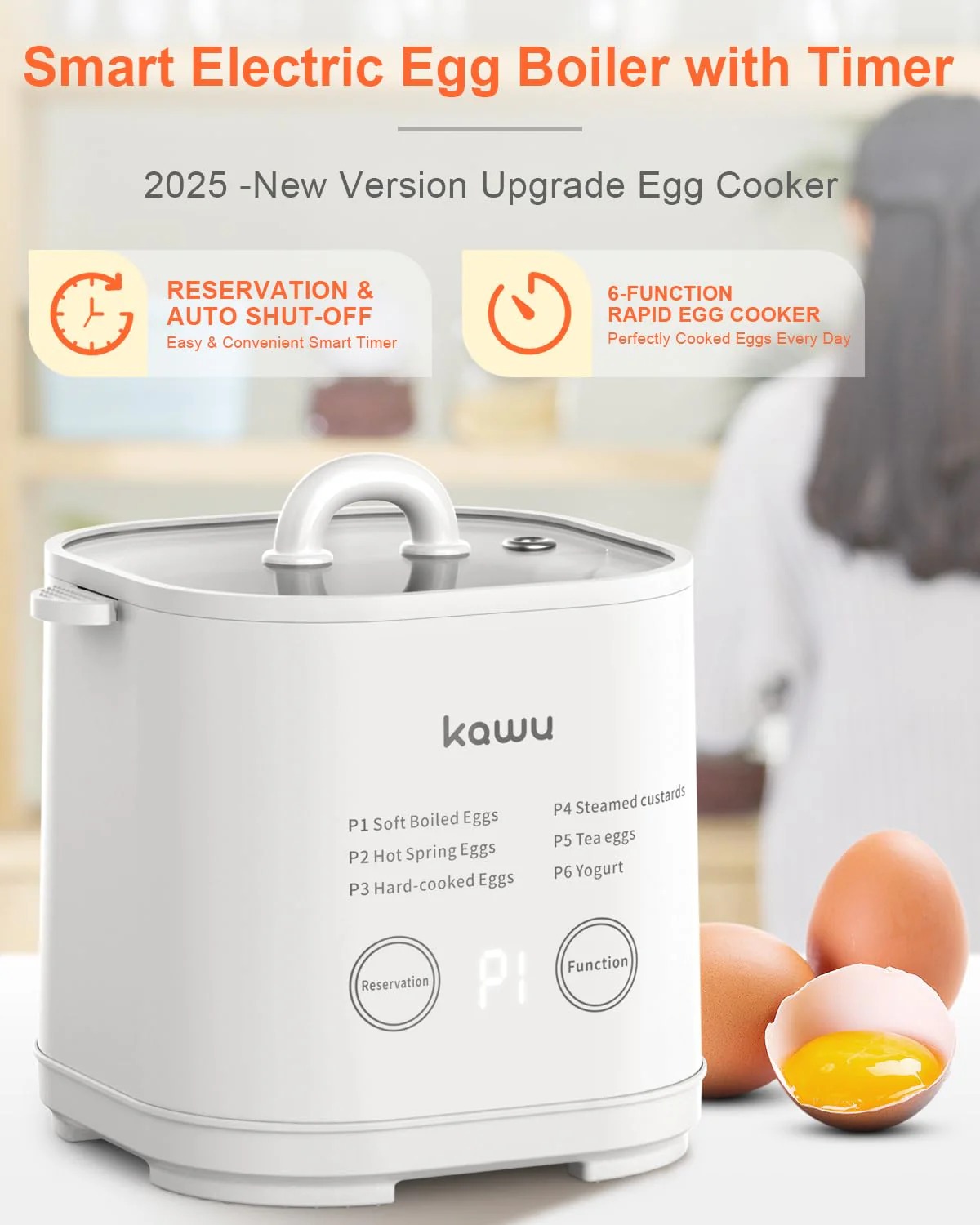
The Evolution of the Egg Cooker: From Simplicity to Smart Technology
The concept of an egg cooker might seem like a recent innovation, but its roots trace back to a desire for convenience and consistency in the kitchen. Early models were simple affairs, often just a heated plate with a lid, designed to steam eggs to a desired doneness. The goal was clear: take the guesswork out of boiling.
Fast forward to today, and the modern best rated egg cooker is a testament to how far kitchen technology has come. While still remarkably simple to operate, contemporary models boast features like automatic shut-off, audible alarms, and even multi-functionality that allows for poaching, omelet making, and steaming vegetables. These advancements make it easier than ever to achieve restaurant-quality results at home, offering a blend of efficiency, safety, and versatility that traditional stovetop methods simply can’t match.
Types of Egg Cookers: Finding Your Perfect Match
When exploring the world of egg cookers, you’ll primarily encounter electric models, which are by far the most popular and effective. However, it’s worth noting other types that cater to different preferences:
- Electric Egg Cookers: These are the stars of the show. They use a heating plate to steam eggs, typically accommodating 6 to 10 eggs at a time. They come with various trays for hard-boiling, poaching, or making omelets. The main appeal of an electric model, especially a best rated egg cooker, is its precision and consistency.
- Microwave Egg Cookers: Less common for consistency, these typically involve a plastic container designed to cook eggs in the microwave. While quicker, they often offer less control over doneness and can sometimes lead to uneven cooking.
- Specialty Egg Cookers: Some appliances are designed specifically for one task, like a dedicated poached egg maker or a mini omelet machine. These are great if you have a singular focus, but a good electric egg cooker usually handles multiple functions.
For most households looking for reliability and versatility, an electric model is undoubtedly the way to go.
How to Use an Egg Cooker for Flawless Results
Using an egg cooker is incredibly straightforward, often more so than boiling on the stove. Here’s a general guide that applies to most best rated egg cooker models:
- Fill the Water Reservoir: Use the provided measuring cup to add the recommended amount of water to the heating plate. The water level is crucial for determining doneness – less water for soft-boiled, more for hard-boiled.
- Pierce the Eggs (Optional but Recommended): Many egg cookers come with a pin on the bottom of the measuring cup. Gently pierce the larger end of each egg. This tiny hole helps prevent cracking during cooking by allowing steam to escape and makes peeling much easier.
- Place Eggs on the Tray: Arrange your eggs on the designated tray. If you’re poaching or making an omelet, prepare the respective tray as per your cooker’s instructions.
- Cover and Cook: Place the lid securely on the cooker and turn it on. Most models have a simple on/off switch or button.
- Listen for the Alarm: Once the water has fully evaporated and the eggs are cooked, the cooker will typically alert you with an audible alarm and/or automatically shut off.
- Cool Immediately: For easier peeling and to stop the cooking process, transfer the eggs immediately to an ice bath or rinse them under cold running water.
Traditional Boiling vs. The Egg Cooker: A Head-to-Head Comparison
For generations, the stovetop pot has been the go-to for boiling eggs. But how does it stack up against a modern, best rated egg cooker?
| Feature | Traditional Stovetop Boiling | Best Rated Egg Cooker |
|---|---|---|
| Consistency | Can be hit or miss; prone to over/under-cooking | Highly consistent, delivering perfect results every time |
| Convenience | Requires monitoring, timing, and pot watching | Set it and forget it; automatic shut-off and alarms |
| Clean-up | Can leave residue in pots, potential for boiled-over messes | Easy to clean heating plate and trays; minimal mess |
| Safety | Boiling water can be a hazard if left unattended | Automatic shut-off reduces risks |
| Versatility | Primarily for boiling; some methods for poaching | Boils, poaches, makes omelets, sometimes steams vegetables |
| Space | Uses a stovetop burner; requires a pot | Compact countertop appliance, frees up stovetop |
As you can see, the egg cooker offers a significant advantage in terms of consistency and convenience, making it a clear winner for those seeking reliable, stress-free egg preparation.
Tips and Tricks for Egg Cooker Perfection
Even with a best rated egg cooker, a few insider tips can help you achieve egg-cellent results:
- Room Temperature Eggs: While not strictly necessary, using eggs at room temperature can sometimes lead to more even cooking and fewer cracks.
- Don’t Overfill: Stick to the recommended number of eggs for your model to ensure even cooking.
- Prompt Cooling: The ice bath step is vital. It halts the cooking process, prevents a greenish ring around the yolk, and makes peeling significantly easier.
- Peeling Magic: After cooling, gently tap the egg on a hard surface and roll it to create micro-cracks. Peel under cold running water for the smoothest results.
Maintaining Your Egg Cooker: Easy Cleaning for Longevity
To ensure your best rated egg cooker remains a reliable kitchen companion for years, proper maintenance is key. The most common issue is mineral deposit buildup on the heating plate, especially if you have hard water.
- Descaling: Fill the water reservoir with a 1:1 mixture of white vinegar and water. Let it sit for 15-30 minutes, then wipe clean with a soft cloth. For stubborn deposits, you can run the cooker for a few minutes with the vinegar solution (without eggs) and then wipe.
- General Cleaning: Wash the egg tray, poaching tray, and lid in warm, soapy water after each use. These components are often dishwasher-safe, but always check your manual.
- Wipe Down: Use a damp cloth to wipe the exterior of the cooker. Never immerse the base in water.
The Undeniable Benefits of Owning a Best Rated Egg Cooker
Beyond just making perfect eggs, a best rated egg cooker brings a host of advantages to your kitchen:
- Time-Saving: No more watching a pot boil or guessing cooking times. Just set it and go!
- Consistency: Enjoy perfectly cooked eggs, from runny soft-boiled to firm hard-boiled, exactly how you like them, every single time.
- Versatility: Many models do more than just boil. They can poach, steam vegetables, and even make mini omelets or frittatas, expanding your breakfast and snack options.
- Energy Efficiency: Egg cookers typically use less energy than boiling a large pot of water on the stove.
- Enhanced Nutrition: By consistently cooking eggs to perfection, you ensure optimal texture and nutrient retention, making healthy eating effortless.
“An egg cooker isn’t just a gadget; it’s an investment in consistently good nutrition and a smoother morning routine. The precision and ease it offers are unparalleled,” says Chef Antoine Dubois, a seasoned culinary expert.
Beyond Boiled: Creative Recipes for Your Egg Cooker
While hard-boiled eggs are a staple, your best rated egg cooker is capable of so much more!
- Perfect Poached Eggs: Use the poaching tray for delicate, perfectly formed poached eggs, ideal for eggs Benedict or avocado toast.
- Fluffy Omelets and Scrambled Eggs: Many cookers come with a small bowl or tray where you can whisk eggs with your favorite fillings (cheese, veggies, ham) and steam them into a fluffy individual omelet or scrambled egg portion.
- Egg Bites and Frittatas: Similar to omelets, you can create delicious, healthy egg bites perfect for meal prep by adding various ingredients to your egg mixture before steaming.
- Steamed Vegetables: Some larger models can even steam small portions of vegetables, making them a versatile steamer for quick side dishes.
Choosing the Best Rated Egg Cooker: What to Look For
With several options on the market, how do you pick the best rated egg cooker for your needs? Consider these factors:
- Capacity: How many eggs do you typically cook at once? Models range from 6 to 12-egg capacities.
- Features: Look for automatic shut-off, an audible alert, and multiple cooking functions (boiling, poaching, omelet). Some even offer different firmness settings.
- Material and Durability: Stainless steel components are generally more durable and easier to clean than plastic.
- Ease of Cleaning: Removable, dishwasher-safe trays are a huge plus.
- Size: Consider your counter space. Most egg cookers are compact, but some larger models can take up more room.
- Price: Egg cookers are generally affordable, but prices vary based on features and brand.
“When I advise clients on kitchen gadgets, a reliable egg cooker is always on the list. The best ones offer consistent performance, making busy lives a little easier,” remarks Sarah Jenkins, a home appliance engineer with over two decades of experience.
Frequently Asked Questions About Egg Cookers
Q1: Are egg cookers worth it?
A: Absolutely! Egg cookers are worth it for anyone who wants perfectly cooked eggs consistently, without the hassle of stovetop boiling. They save time, reduce mess, and offer versatile cooking options beyond just hard-boiling.
Q2: How much water do I put in an egg cooker?
A: The amount of water depends on your desired egg consistency (soft, medium, or hard-boiled) and the specific model of your egg cooker. Most best rated egg cooker models come with a measuring cup marked for different water levels to guide you.
Q3: Can you cook scrambled eggs in an egg cooker?
A: Yes, many egg cookers come with a separate poaching or omelet tray that allows you to cook scrambled eggs. You typically whisk the eggs with your preferred additions and steam them in the provided bowl.
Q4: How do I prevent eggs from cracking in an egg cooker?
A: Piercing a small hole in the larger end of each egg with the provided pin (usually on the measuring cup) before cooking is the most effective way to prevent cracking. This allows steam to escape during the cooking process.
Q5: How do I clean my egg cooker to remove mineral deposits?
A: To remove mineral deposits, especially from hard water, fill the heating plate with a 1:1 mixture of white vinegar and water. Let it soak for 15-30 minutes, or even run the cooker briefly with the solution, then wipe it clean with a soft cloth.
Conclusion
The pursuit of the perfect egg ends with a best rated egg cooker. This unassuming appliance stands as a beacon of convenience and culinary precision in today’s fast-paced world. It simplifies a fundamental cooking task, ensures consistent, delicious results, and often expands your ability to create diverse egg-based dishes with minimal effort. Investing in a high-quality egg cooker means saying goodbye to guesswork and hello to perfectly cooked eggs, every single time. So, go ahead, elevate your breakfast game and embrace the simplicity and efficiency that a top-rated egg cooker brings to your kitchen.