Are you tired of the age-old kitchen dilemma: perfectly cooked eggs one day, an absolute mess the next? The quest for that ideal soft, jammy, or hard-boiled egg can often feel like a culinary gamble. But what if I told you there’s a simple, elegant solution that promises consistent perfection with minimal effort? Enter the Boiled Egg Cooker, a kitchen marvel poised to revolutionize your breakfast routine and elevate your meal prep.
For years, as a leading consultant in kitchen appliances and the chief content creator for EggCookerPro, I’ve seen countless innovations. Few, however, deliver such significant value and consistent results as the humble electric egg cooker. It’s a testament to smart design meeting everyday culinary needs, transforming a once-fussy task into a truly effortless experience.\
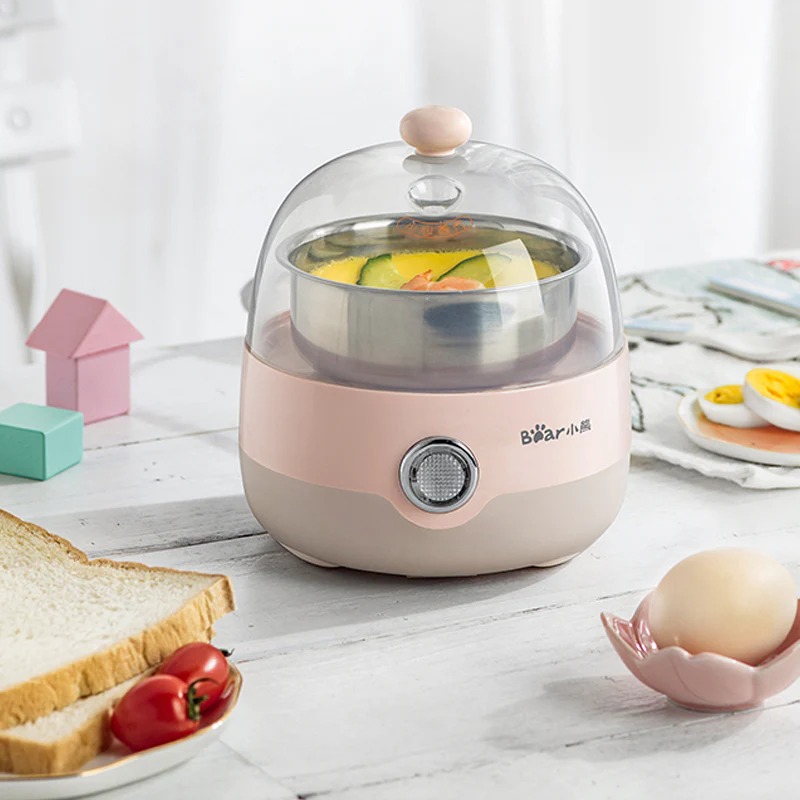
The Dawn of Effortless Eggs: A Brief History of the Boiled Egg Cooker
The journey to culinary convenience is paved with ingenious gadgets, and the boiled egg cooker holds a distinguished place among them. While boiling eggs on the stovetop has been a staple for centuries, it often comes with variables like water temperature fluctuations, inconsistent heat distribution, and the dreaded green ring around an overcooked yolk. Early innovators sought a more controlled environment, leading to the development of dedicated egg cooking appliances.
Modern electric boiled egg cookers operate on a simple yet brilliant principle: steam. Instead of submerging eggs in boiling water, these compact machines use a precisely measured amount of water, which is heated by an internal element to produce steam. This steam then circulates around the eggs, cooking them gently and evenly. This method virtually eliminates the guesswork, delivering consistent results whether you crave a runny yolk or a firm, sliceable hard-boiled egg. It’s a technology designed to make your life simpler and your eggs consistently delicious.
Decoding the Magic: How a Boiled Egg Cooker Works
Understanding the mechanics behind your boiled egg cooker demystifies its consistent performance. It’s not magic, but smart engineering at play, ensuring your eggs are cooked to perfection every single time.
The Science of Steam
At its core, a boiled egg cooker is a miniature steamer. You start by adding cold water to a heating plate at the base of the appliance. The amount of water is crucial and directly corresponds to your desired doneness: less water for soft-boiled, more for hard-boiled. Most models come with a handy measuring cup clearly marked for different egg quantities and doneness levels.
Once activated, the heating element rapidly boils this water, generating steam that fills the cooking chamber. This steam envelops the eggs, cooking them thoroughly and uniformly. As the water evaporates, the cooker’s built-in sensors detect the change, triggering an automatic shut-off and often an audible alert to signal that your eggs are ready. This “set-it-and-forget-it” functionality is a game-changer for busy mornings, eliminating the need for constant monitoring.
The Clever Little Piercer
Many boiled egg cookers include a small pin or piercer, usually integrated into the measuring cup. This isn’t just a quirky accessory; it’s a vital tool. Piercing a tiny hole in the larger end of each egg before cooking allows air to escape as the egg heats. This simple step prevents shells from cracking during the steaming process and contributes to easier peeling afterward—a common pain point with stovetop methods.
Finding Your Perfect Match: Types of Boiled Egg Cookers
The market for boiled egg cookers offers a surprising variety, catering to diverse needs and kitchen styles. From compact models perfect for singles to high-capacity units for large families, there’s a boiled egg cooker for everyone.
Standard Electric Egg Cookers
These are the most common models, typically holding 6-7 eggs. They are celebrated for their simplicity and versatility, often including trays for poaching and making individual omelets alongside their primary boiling function. Brands like Dash and Elite Gourmet are popular choices in this category, known for their reliability and ease of use. These are excellent for everyday use and those new to egg cookers.
Large Capacity Egg Cookers
For meal preppers, large families, or anyone who regularly needs a dozen or more eggs, large capacity models are a blessing. These often feature double-tiered designs, allowing you to cook up to 12-14 eggs simultaneously. The Dash Deluxe Rapid Cooker and Nostalgia Retro Large Hard-Boiled Egg Cooker are prime examples, providing efficiency and scale without compromising on quality.
Specialty Egg Cookers
Beyond the traditional electric models, you’ll find niche options like microwave egg boilers for ultra-quick results, or dedicated egg bite makers for those who love café-style breakfast bites. While these may offer less versatility for general boiling, they excel in their specific functions.
When choosing, consider capacity, additional functions (poaching, omelet, steaming vegetables), auto shut-off features, ease of cleaning (dishwasher-safe parts are a plus), and compact design for storage.
Unlock Perfection: A Step-by-Step Guide to Using Your Boiled Egg Cooker
Using a boiled egg cooker is wonderfully straightforward, designed for simplicity. Follow these steps for consistently perfect results, every time.
- Measure Your Water: Using the provided measuring cup, add the specified amount of cold water to the heating plate at the base of your cooker. The water level dictates the doneness—soft, medium, or hard-boiled.
- Pierce the Eggs: If your cooker includes an egg piercer (often found on the bottom of the measuring cup), gently prick a small hole in the larger end of each egg. This tiny step prevents cracking and aids in peeling.
- Load the Eggs: Place the eggs onto the egg holder or tray, ensuring the pierced end (if applicable) faces upwards.
- Cover and Power On: Secure the lid tightly and press the power button. An indicator light will usually signal that the cooking process has begun.
- Listen for the Beep: Your cooker will automatically shut off and emit an audible alert when the eggs are done. No more hovering over a boiling pot!
- Cool Immediately: Once the alert sounds, carefully remove the lid and transfer the eggs to an ice bath (a bowl of cold water with ice). This halts the cooking process, preventing overcooking and making peeling significantly easier. Let them cool for about 5-10 minutes.
- Peel and Enjoy: Once cooled, peel your perfectly cooked eggs. They’re now ready for snacking, salads, or any recipe you have in mind.
The Ultimate Showdown: Boiled Egg Cooker vs. Traditional Stovetop Method
For generations, the stovetop has been the undisputed champion of egg boiling. But how does this age-old method stack up against the modern boiled egg cooker? Let’s break it down.
| Feature | Boiled Egg Cooker | Traditional Stovetop Method |
|---|---|---|
| Cooking Time | Faster: 6-8 minutes (total, including setup) | Slower: 10-12 minutes (boiling) + 3-5 min (prep) + 5 min (cool) |
| Consistency | Excellent: Precise water, steam cooking | Variable: Hard to maintain consistent heat, can overcook |
| Ease of Peeling | Generally Easier: Steam cooking helps shells | Can be Challenging: Often results in stubborn shells |
| Energy Use | Energy-efficient: Uses less power | Higher: Requires heating a larger pot of water |
| Supervision | Minimal: Set-it-and-forget-it, auto shut-off | High: Requires monitoring to prevent boil-overs, timing |
| Versatility | Multi-functional: Poach, omelet, steam veggies | Limited: Primarily boiling, no other functions |
| Mess | Low: Contained steaming, fewer cracked eggs | Higher: Potential for boil-overs, cracked eggs |
| Space | Additional counter appliance | Uses existing stovetop, no extra appliance |
| Cost | Affordable one-time purchase ($15-$50) | No additional purchase (if pot is owned) |
As Dr. Eleanor Vance, a renowned Culinary Science Professor, often says, “While the stovetop method has its nostalgic charm, the controlled environment of a modern boiled egg cooker provides a level of precision and convenience that’s hard to beat for today’s busy kitchens. It truly democratizes the ‘perfect’ egg.”
Ultimately, the boiled egg cooker shines in terms of efficiency, consistency, and a hands-off approach, making it the clear winner for anyone seeking reliable results without the fuss.
Beyond the Basics: Tips and Tricks for Egg Cooker Perfection
Even with an appliance designed for ease, a few expert tips can elevate your boiled egg cooker experience:
- Always Use Cold Water: Starting with cold water, as indicated by your measuring cup, is crucial for accurate cooking times and consistent results.
- The Ice Bath is Non-Negotiable: Don’t skip dipping your cooked eggs into an ice bath. This stops the cooking process immediately, preventing that unappealing gray-green ring around the yolk and making the eggs remarkably easier to peel.
- Don’t Overfill (or Underfill) Water: Stick precisely to the measuring cup’s guidelines. Too much water will result in overcooked, rubbery eggs; too little will leave them undercooked.
- Experiment with Doneness: While the measuring cup provides standard guidelines, individual preferences vary. If you find your “medium” is a bit too soft, try adding a tiny fraction more water next time, and vice-versa.
- Freshness Matters for Peeling: While egg cookers generally aid peeling, very fresh eggs (less than a week old) can still be a bit stubborn. Older eggs tend to peel more easily.
Keeping It Pristine: Maintenance and Cleaning Your Boiled Egg Cooker
A well-maintained appliance is a happy appliance. Most boiled egg cookers are designed for easy cleaning, ensuring longevity and hygienic operation.
- Dishwasher Safe Parts: The egg trays, poaching cups, and lids are typically dishwasher safe. Always check your specific model’s manual for confirmation.
- Wipe the Heating Plate: The heating element at the base should be wiped down after each use. Mineral deposits from water can build up over time, especially if you have hard water. A damp cloth and a mild soap are usually sufficient. For stubborn mineral buildup, a mixture of water and white vinegar can be used to gently scrub the plate (always ensure the appliance is unplugged and cool).
- Regular Descaling: If you notice significant mineral residue affecting performance, a quick descaling with vinegar and water can restore it. Fill the water reservoir with a 1:1 mixture of white vinegar and water, turn the cooker on (without eggs), and let it run until it automatically shuts off. Discard the liquid, rinse thoroughly, and wipe clean.
The Unbeatable Benefits: Why a Boiled Egg Cooker is a Kitchen Essential
The advantages of owning a boiled egg cooker extend far beyond simply cooking eggs. It’s an investment in efficiency, health, and culinary satisfaction.
- Absolute Consistency: Say goodbye to guesswork. From perfectly runny soft-boiled eggs for your avocado toast to firm, creamy hard-boiled eggs for salads, your egg cooker delivers your preferred doneness every single time.
- Time Savings & Convenience: In our fast-paced world, every minute counts. An egg cooker frees you from monitoring a stovetop, allowing you to multitask while your breakfast or meal prep is underway. It’s a true “set-it-and-forget-it” appliance.
- Enhanced Safety: With automatic shut-off features, you never have to worry about a pot boiling dry or eggs overcooking while you’re distracted.
- Surprising Versatility: Many models are multi-talented, allowing you to poach eggs, make individual omelets, or even steam small portions of vegetables, maximizing its utility in your kitchen.
- Energy Efficiency: Compared to heating a large pot of water on a stovetop burner, an electric egg cooker uses significantly less energy, potentially saving on your utility bills over time.
- Easier Peeling: The steam-cooking method often results in shells that detach effortlessly, preserving the pristine white of your egg for better presentation and less waste.
- Healthier Eating: By simplifying egg preparation, this appliance encourages you to incorporate more protein-rich eggs into your diet, supporting healthier meal choices.
Culinary Creativity: Delicious Dishes You Can Make with Your Boiled Egg Cooker
Your boiled egg cooker is a gateway to a world of delicious, easy-to-prepare egg-centric meals.
Perfect Hard-Boiled Eggs
- Classic Deviled Eggs: The ultimate party appetizer, easy to make with perfectly cooked yolks.
- Egg Salad Sandwiches: A creamy, savory classic that’s quick to whip up.
- Salad Toppers: Add sliced or chopped hard-boiled eggs to green salads, potato salads, or pasta salads for a protein boost.
- Snacks: A grab-and-go healthy snack, perfect for meal prep.
Delightful Soft & Medium-Boiled Eggs
- Ramen Topping: Elevate your instant or homemade ramen with a perfectly jammy soft-boiled egg.
- Avocado Toast: A runny yolk cascading over creamy avocado toast is pure breakfast bliss.
- Breakfast Soldiers: Dip strips of toasted bread into a soft-boiled egg for a nostalgic treat.
Beyond Boiling: Poached Eggs & Omelets
- Eggs Benedict: Create restaurant-quality poached eggs for this brunch favorite.
- Custom Omelets: Use the omelet tray to make single-serving omelets with your favorite fillings—cheese, spinach, ham, mushrooms.
- Egg Bites: Some models, or dedicated egg bite makers, let you craft fluffy, protein-packed egg bites, perfect for meal prep.
Frequently Asked Questions About Boiled Egg Cookers
Q: Are boiled egg cookers energy efficient?
A: Yes, electric boiled egg cookers are generally more energy-efficient than boiling water on a stovetop. They use a focused heating element and a smaller volume of water, which heats up faster and consumes less electricity.
Q: Can I cook different types of eggs (soft, medium, hard) at the same time?
A: Most standard boiled egg cookers rely on a single water measurement for all eggs in a batch, meaning they will all achieve the same level of doneness. However, some advanced models allow for different doneness levels in one go by using a timer instead of water evaporation.
Q: Do I need to pierce the eggs?
A: While not strictly mandatory for all cookers, piercing a small hole in the larger end of each egg is highly recommended. It helps release air, preventing cracks during cooking, and often contributes to easier peeling.
Q: How long do eggs take to cook in an egg cooker?
A: Cooking times vary slightly by model and desired doneness, but typically, soft-boiled eggs take around 6-8 minutes, medium-boiled 8-10 minutes, and hard-boiled eggs 10-12 minutes. This is generally faster than the total time for stovetop boiling, including bringing water to a boil.
Q: Are egg cooker parts dishwasher safe?
A: Most non-electric components, such as the egg trays, poaching cups, and lids, are dishwasher safe. Always consult your specific model’s instruction manual to confirm cleaning recommendations. The heating plate at the base should only be wiped clean.
The Final Crack: Elevate Your Egg Experience
The boiled egg cooker isn’t just another gadget; it’s a testament to how intelligent design can vastly improve daily culinary tasks. It offers unparalleled consistency, saves precious time, and opens up a world of versatile egg preparations that are both healthy and delicious. If you’ve ever struggled with the perfect boiled egg, or simply crave a more streamlined approach to your kitchen routine, investing in a high-quality electric egg cooker is a decision you won’t regret.
So go ahead, embrace the future of egg cooking. Discover the joy of perfectly cooked eggs, effortlessly, every single day. Your breakfasts, your meal prep, and your inner chef will thank you.