For any bustling professional kitchen, whether it’s a vibrant breakfast diner, a high-volume catering service, or a sophisticated hotel buffet, efficiency and consistency are the cornerstones of success. When it comes to preparing eggs, a staple on countless menus, the traditional stovetop method often falls short, leading to inconsistent results, wasted time, and unnecessary labor. This is where the Commercial Egg Cooker steps in as a game-changer, transforming the way establishments prepare one of the most versatile and popular food items. Imagine producing dozens, even hundreds, of perfectly cooked eggs, from jammy soft-boiled to firm hard-boiled, with minimal effort and maximum precision. This guide will delve into everything you need to know about these invaluable kitchen workhorses, helping you unlock their full potential and elevate your culinary operations.
What is a Commercial Egg Cooker and Why Do You Need One?
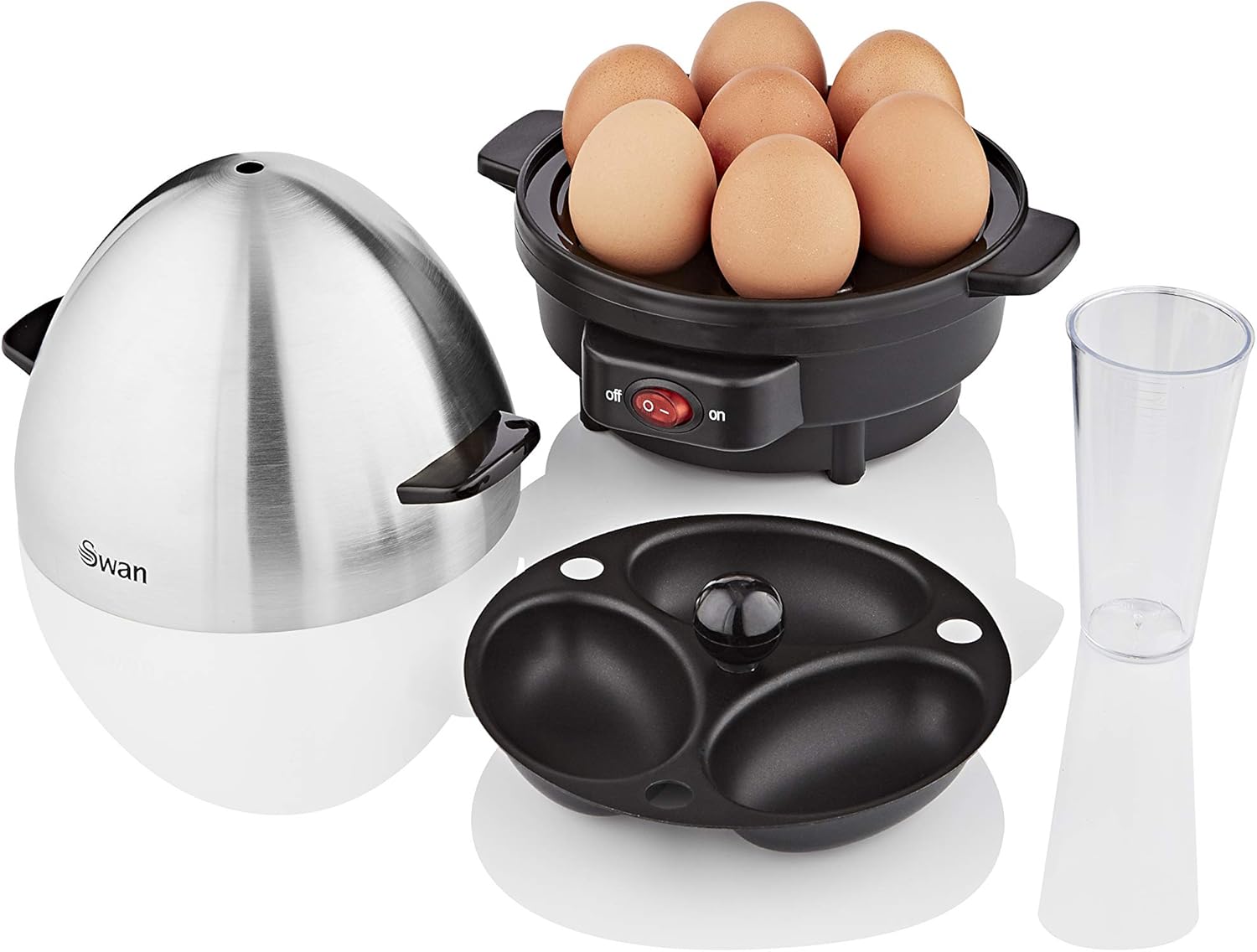
At its core, a commercial egg cooker is a specialized appliance engineered for the rapid, consistent, and high-volume preparation of eggs in a professional setting. Unlike their smaller, domestic counterparts, these machines are built for durability, speed, and precision, designed to withstand the rigorous demands of continuous use. They move beyond the simple pot of boiling water, offering advanced features that guarantee uniform results, something that’s incredibly difficult to achieve manually at scale.
“In my two decades overseeing bustling hotel kitchens, the commercial egg cooker became an indispensable ally,” shares Chef Isabella Rossi, a renowned culinary consultant. “It’s not just about speed; it’s about delivering perfectly consistent, reliably cooked eggs that elevate the guest experience, day in and day out, without fail.”
The need for a commercial egg cooker becomes evident when you consider the operational benefits: significant labor savings, reduced food waste from over or undercooking, and the assurance of a consistent product that keeps customers coming back. This isn’t just an appliance; it’s an investment in your kitchen’s efficiency and your brand’s reputation for quality.
Types of Commercial Egg Cookers: Finding Your Perfect Match
The market offers a variety of commercial egg cookers, each designed to meet specific operational needs. Understanding these types is crucial to selecting the right fit for your business.
1. Water Boiler/Steamer Egg Cookers
These are the most common and versatile types. They use either hot water or steam to cook eggs evenly.
- Basket-Style: Large baskets hold numerous eggs simultaneously. Once cooked, the entire basket can be lifted out for rapid cooling. These are excellent for batch cooking hard-boiled eggs for salads, sandwiches, or buffets.
- Individual Slot: Some models feature individual slots or cradles for each egg, ensuring even cooking and preventing cracks. These often come with piercing tools to prevent shells from cracking during cooking and make peeling easier.
- Automatic Systems: High-end models can automatically lower and raise eggs, and some even have sorting mechanisms. These are ideal for extremely high-volume operations where labor efficiency is paramount.
2. Specialty Egg Machines
While the primary focus of “egg cookers” is boiling or steaming, some commercial units integrate or specialize in other egg preparations. For instance, dedicated commercial egg poachers or omelet makers exist, though they are usually distinct from general-purpose egg boilers. For pure boiled/steamed eggs, the water boiler/steamer remains the go-to.
When choosing, consider factors like your daily egg volume, the primary style of egg you need to produce, and the available counter space in your kitchen.
Key Features That Set Commercial Egg Cookers Apart
What truly distinguishes a commercial egg cooker from a home appliance, or even traditional stovetop methods, are its robust features designed for professional demands.
- High Capacity and Speed: These machines are built to handle dozens, often hundreds, of eggs per hour, dramatically cutting down preparation time.
- Precision Temperature and Time Controls: Digital interfaces and accurate thermostats allow for precise control over cooking parameters, ensuring repeatable results for various doneness levels (soft, medium, hard).
- Durable Construction (Stainless Steel): Commercial units are typically made from heavy-gauge stainless steel, built to endure constant use and harsh kitchen environments, resisting corrosion and simplifying cleaning.
- Ease of Cleaning and Maintenance: Removable parts, smooth surfaces, and often dishwasher-safe components make daily cleaning a breeze, crucial for maintaining hygiene standards.
- Safety Features: Automatic shut-off functions prevent boiling dry, and many models come with NSF certification, indicating they meet public health and safety standards for food equipment.
How to Master Your Commercial Egg Cooker: A Step-by-Step Guide
Using a commercial egg cooker effectively is straightforward, but a few best practices ensure perfect results every time.
- Prepare the Cooker: Ensure the water reservoir is filled to the recommended level with fresh water. Some models may require preheating.
- Prepare the Eggs: Gently place eggs into the cooking baskets or individual slots. For easier peeling, many chefs recommend using a small piercing tool (often included) to make a tiny hole in the large end of each egg. This allows air to escape, reducing pressure buildup and minimizing cracks.
- Set Cooking Parameters: Select your desired doneness (soft, medium, or hard-boiled) on the control panel. The cooker will automatically adjust time and temperature.
- Initiate Cooking: Start the cooking cycle. Most units will have an audible alert when the eggs are ready.
- Rapid Cooling: Immediately transfer the cooked eggs to an ice bath or rinse them under cold running water. This “stops the cooking” process, prevents a greenish ring around the yolk, and significantly aids in peeling.
- Peel and Store: Once cooled, eggs can be peeled and stored in the refrigerator for several days.
Traditional vs. Commercial Egg Cooker: A Head-to-Head Battle
When it comes to preparing eggs in volume, the comparison between traditional stovetop methods and a commercial egg cooker isn’t even close.
| Feature | Traditional Stovetop Method | Commercial Egg Cooker |
|---|---|---|
| Capacity | Limited by pot size; few dozen at best | Dozens to hundreds of eggs per hour |
| Consistency | Highly variable, prone to human error | Precise, repeatable doneness every time |
| Labor Cost | High; requires constant monitoring | Low; largely automated, minimal supervision |
| Speed | Slower, manual handling of each batch | Rapid, efficient batch processing |
| Space | Multiple pots and burners on a range | Compact, dedicated appliance, often countertop |
| Ease of Peeling | Inconsistent, often difficult | Enhanced by piercing tools and rapid cooling |
| Energy Use | Less efficient for large volumes | Optimized heating elements, insulated designs |
The choice is clear for any establishment prioritizing efficiency, quality, and cost-effectiveness.
Expert Tips for Achieving Perfectly Cooked Eggs, Every Single Time
Even with the best commercial egg cooker, a few professional insights can elevate your egg game.
- Start with Quality Eggs: Freshness matters. While older eggs are sometimes touted for easier peeling, a commercial cooker with a piercing tool largely negates this, allowing you to use fresher, tastier eggs.
- Consistent Water Level: Always ensure the water reservoir is filled to the recommended mark. Too little water can lead to undercooking or damage to the heating element; too much can affect cooking times.
- Don’t Overcrowd: While commercial cookers have high capacity, ensure eggs are not packed so tightly that water or steam cannot circulate freely around each one.
- The Ice Bath is Non-Negotiable: For hard-boiled and soft-boiled eggs alike, an immediate and thorough ice bath is critical. It stops the cooking, prevents the greenish ferric sulfide ring on yolks, and firms the egg white for easier peeling.
- Regular Descaling: Hard water can leave mineral deposits (scale) on the heating element, reducing efficiency. Follow manufacturer instructions for regular descaling to maintain peak performance.
Maintaining Your Commercial Egg Cooker for Longevity and Performance
Proper maintenance is key to extending the life of your appliance and ensuring consistent results.
- Daily Cleaning: After each use, thoroughly clean the water reservoir, baskets, and any removable components. Mild soap and water are usually sufficient.
- Descaling: Depending on your water hardness and frequency of use, descale the unit regularly (e.g., weekly or bi-weekly) using a commercial descaling solution or a vinegar-water mixture. This prevents mineral buildup that can impair heating efficiency.
- Wipe Down Exterior: Keep the stainless steel exterior sparkling clean to maintain a professional appearance.
- Inspect Regularly: Periodically check electrical cords, heating elements, and seals for any signs of wear or damage. Address issues promptly.
The Undeniable Benefits of Integrating a Commercial Egg Cooker into Your Operation
The advantages of a commercial egg cooker extend far beyond simply boiling eggs.
- Labor Savings: Significantly reduces the need for constant staff oversight and manual handling, freeing up your team for other critical kitchen tasks.
- Consistent Product Quality: Delivers perfectly cooked eggs to precise specifications every time, ensuring customer satisfaction and maintaining your culinary standards.
- Enhanced Speed and Throughput: Dramatically increases the volume of eggs you can produce in a short amount of time, crucial for peak service periods or large events.
- Reduced Waste: Minimizes undercooked or overcooked eggs, directly translating to savings on food costs.
- Versatility in Menu Offerings: Enables easy preparation of various egg dishes, from perfectly soft-boiled eggs for ramen bowls to batches of hard-boiled eggs for salads, sandwiches, or deviled eggs.
Beyond Boiling: Creative Culinary Uses for Your Commercial Egg Cooker
While primarily designed for boiling and steaming, the consistent output of a commercial egg cooker opens doors to numerous menu possibilities.
- Salad Bar Star: Supply perfectly hard-boiled eggs for salad bars, ensuring a fresh and protein-rich topping.
- Sandwich and Wrap Fillings: Produce large quantities of eggs for egg salad sandwiches, wraps, or as a component in breakfast burritos.
- Gourmet Garnish: Soft-boiled or medium-boiled eggs make exquisite garnishes for soups, avocado toast, or grain bowls, adding richness and visual appeal.
- Catering Efficiency: For catering events, quickly prepare hundreds of deviled eggs or provide a consistent supply of boiled eggs for a brunch spread.
- Meal Prep Services: If your business offers meal prep, a commercial egg cooker is invaluable for batch cooking eggs for various healthy meals.
Choosing the Best Commercial Egg Cooker for Your Business
Investing in a commercial egg cooker is a strategic decision that can significantly impact your kitchen’s operations. Consider these factors when making your choice:
- Volume Requirements: How many eggs do you need to cook daily or during peak hours? This will dictate the necessary capacity.
- Egg Styles: Do you primarily need hard-boiled, or do you require the flexibility for soft-boiled as well?
- Available Space: Measure your counter or floor space. Countertop models are common, but larger operations might consider standalone units.
- Power Supply: Ensure your kitchen has the appropriate electrical outlets for the cooker’s voltage and amperage.
- Budget: Commercial egg cookers range in price. Balance your budget with the features and capacity you need. Remember, this is an investment that quickly pays for itself through labor and waste reduction.
- Brand Reputation and Warranty: Opt for reputable brands known for their durability and customer support. A good warranty provides peace of mind.
- Ease of Use and Cleaning: Look for intuitive controls and components that are easy to disassemble and clean, crucial for busy staff.
By carefully assessing these points, you can select a commercial egg cooker that will become an indispensable asset in your kitchen, ensuring consistent, high-quality egg preparation with unparalleled efficiency.
Conclusion
The commercial egg cooker is more than just another appliance; it’s a strategic tool for any professional kitchen aiming for peak efficiency, unwavering consistency, and superior product quality. In a demanding foodservice environment, where every second and every perfectly cooked dish counts, these machines deliver precisely what you need: reliability, speed, and cost-effectiveness. By embracing this technology, businesses can significantly reduce labor costs, minimize waste, and consistently serve delicious, perfectly cooked eggs that delight customers and enhance their culinary reputation. It’s time to elevate your egg game and let a commercial egg cooker revolutionize your kitchen operations.