In a world where kitchen gadgets promise to revolutionize our cooking, few deliver with the consistent elegance and practical efficiency of the Copper Egg Cooker. This isn’t just another appliance; it’s a statement piece that blends timeless aesthetic with unparalleled functionality, transforming how we prepare one of the most versatile and nutritious foods: the humble egg. If you’ve been on the fence about elevating your breakfast game or streamlining meal prep, understanding the full potential of a copper egg cooker is your first step towards culinary liberation.
What Makes a Copper Egg Cooker Stand Out?
The journey of the egg cooker from a simple countertop device to a kitchen essential has seen remarkable innovations. While the core principle of steam cooking remains, the evolution has brought forth designs that prioritize user experience, versatility, and increasingly, aesthetics. Enter the copper egg cooker. Its defining feature is often its striking copper-toned finish, which immediately adds a touch of warmth and sophistication to any kitchen decor. This isn’t merely for show; the copper aesthetic often hints at a commitment to quality and contemporary design within the appliance’s construction.
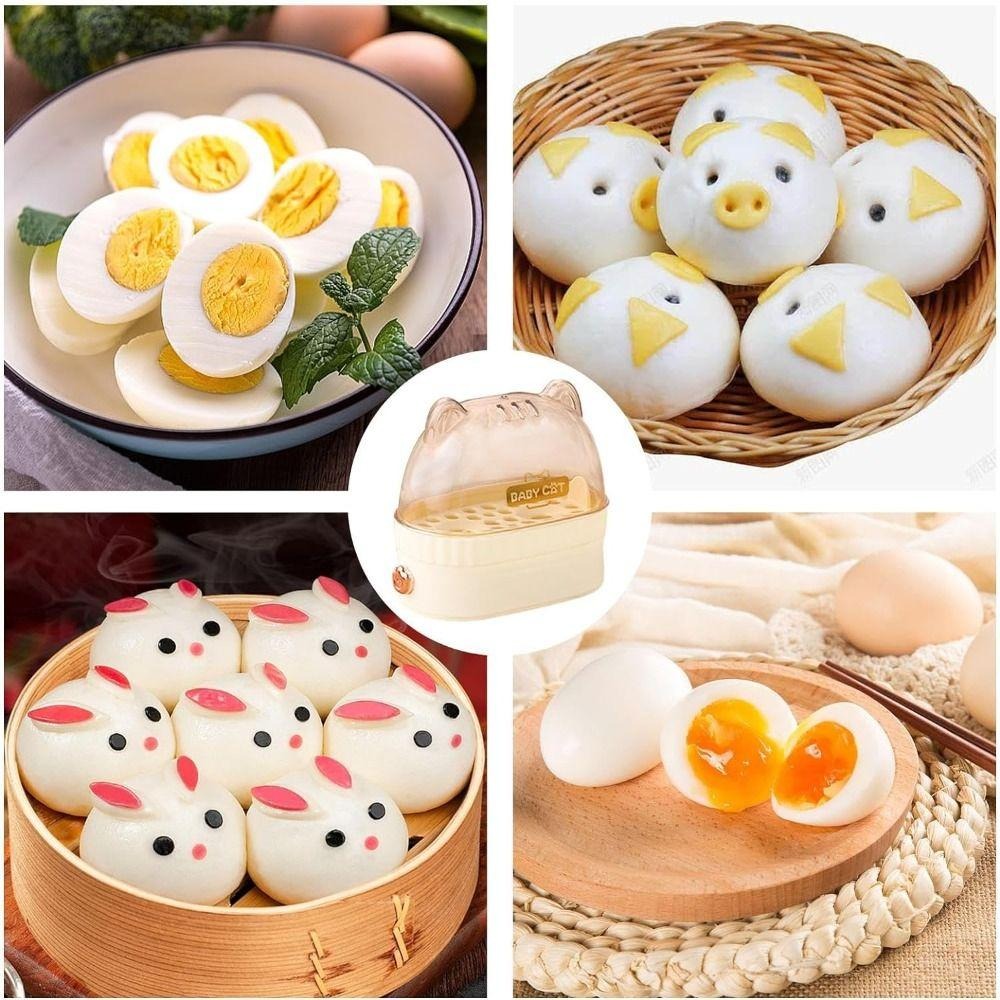
Beyond its visual appeal, these devices are engineered for performance. Many leverage advanced “Egg-Right Technology” to circulate steam evenly, ensuring your eggs are cooked precisely to your desired doneness every single time. This consistency is a hallmark of a well-designed copper egg cooker, distinguishing it from older, less reliable methods.
Types of Egg Cookers and the Allure of Copper
The market offers a range of egg cookers, from basic models that focus solely on boiling to multi-functional units capable of much more. Copper egg cookers typically fall into the latter category, often representing a premium blend of robust construction and comprehensive features.
A standard electric egg cooker uses a heating plate at the base to boil a small amount of water, generating steam that cooks the eggs. The beauty of a copper egg cooker is often in its enhanced capacity and accessory trays, allowing for diverse preparations. While some “copper egg” products are individual pods for boiling eggs without shells directly in water, the electric copper egg cooker we champion here is an all-in-one steaming appliance.
Many of these sophisticated models come equipped with multiple tiers, allowing you to cook a significant batch of eggs simultaneously – some can handle up to 14 eggs for hard-boiling. They also typically include separate trays for poaching and making individual omelets, expanding their utility far beyond just boiling. This versatility makes the copper egg cooker an indispensable tool for everything from a quick weekday breakfast to larger family gatherings.
Mastering Your Copper Egg Cooker: A Step-by-Step Guide
Using a copper egg cooker is remarkably simple, often described as a “set it and forget it” experience, even for models that require you to set an external timer. The key to perfect results lies in understanding your specific model’s water measurements and following a few basic steps.
For Hard, Medium, or Soft-Boiled Eggs:
- Measure Water: Consult your cooker’s manual and the included measuring cup. These cups typically have markings for soft, medium, and hard-boiled eggs, indicating the precise amount of water needed based on the number of eggs and desired doneness. Pour the measured cold water onto the heating plate at the base of the cooker.
- Pierce Eggs: Using the small pin often located at the bottom of the measuring cup, gently pierce the larger end of each egg. This small hole allows steam to escape during cooking, preventing cracks and making the eggs easier to peel later.
- Load Eggs: Place the eggs, pierced-side up, into the egg tray(s). If your model has multiple tiers, stack them according to the instructions.
- Cover and Cook: Secure the lid, ensuring it’s properly sealed. Plug in the cooker and press the power button. Many copper egg cookers feature an automatic shut-off when the water has fully evaporated, or a chime will sound when they’re done. For models without an integrated timer, set your own timer based on the manual’s recommendations.
- Cool Down: Once cooked, immediately transfer the eggs to an ice bath or run them under cold water. This “shocks” the eggs, stopping the cooking process and facilitating easy peeling.
For Poached Eggs and Omelets:
- Prepare Trays: Lightly grease the poaching or omelet tray with butter or cooking spray to prevent sticking.
- Add Water: Again, refer to your measuring cup for the appropriate water level for poaching or omelets. This is usually a “medium” setting or a specific line for these preparations.
- Fill Trays: For poached eggs, crack an egg directly into each compartment of the poaching tray. For omelets, whisk eggs with your desired fillings (cheese, vegetables, ham) and pour the mixture into the omelet tray.
- Cook: Place the filled tray onto the base, secure the lid, and turn on the cooker. Poached eggs typically cook in about 5 minutes, while omelets might take 5-7 minutes. The automatic shut-off or chime will signal completion.
- Serve: Carefully remove the hot tray (using oven mitts) and transfer your perfectly cooked poached eggs or fluffy omelets to a plate.
Traditional vs. Copper Egg Cooker: The Modern Advantage
For generations, boiling eggs on the stovetop was the only method. While effective, it often came with challenges: guessing the right cooking time, risking cracks, and the constant need for monitoring. The copper egg cooker offers a compelling modern alternative.
Consistency is King: The greatest advantage of an electric egg cooker, especially a quality copper model, is its ability to produce consistently perfect eggs. No more undercooked yolks or rubbery whites. The controlled steaming environment ensures even cooking every time, regardless of whether you desire soft, medium, or hard-boiled eggs.
Hands-Free Convenience: Say goodbye to standing over a boiling pot. Once you’ve added water and eggs, you can walk away. The automatic shut-off feature common in these appliances means you don’t have to worry about overcooking or the pot boiling dry, providing peace of mind.
Energy Efficiency: Compared to heating a large pot of water on a stovetop, an electric egg cooker uses a minimal amount of water and precisely regulated heat, making it a more energy-efficient option for preparing eggs.
Safety: With no open flame or hot burner to tend to, egg cookers offer a safer way to prepare eggs, particularly in busy households or for those who prefer to avoid stovetop cooking.
Achieving Egg-cellent Results: Tips and Tricks
Even with the ease of a copper egg cooker, a few expert tips can further guarantee flawless eggs:
- Freshness Matters (But Not Too Fresh for Peeling): While fresh eggs are always best for flavor, eggs that are a few days old tend to peel more easily after being hard-boiled than extremely fresh ones.
- Don’t Overfill: Stick to the recommended capacity of your egg cooker to ensure even cooking and optimal steam circulation.
- The Ice Bath is Your Friend: For hard-boiled eggs, always transfer them to an ice bath immediately after cooking. This rapid cooling halts the cooking process, preventing the dreaded green ring around the yolk, and makes peeling significantly easier.
- Check Your Water: Always use cold, fresh water for each cooking cycle for consistent results. Distilled or filtered water can help reduce mineral buildup on the heating plate.
- Piercing is Key: Don’t skip the step of piercing the egg. It truly helps prevent cracking and ensures a smoother cooking process.
Caring for Your Copper Egg Cooker: Maintenance Matters
To keep your copper egg cooker looking pristine and performing optimally for years, proper care is essential.
- Cleaning the Trays and Lid: Most trays, racks, and lids are dishwasher safe, or can be easily hand-washed with warm, soapy water and a soft sponge. The non-stick surfaces, often a feature of copper-themed models, make cleanup a breeze.
- Cleaning the Heating Plate: Over time, mineral deposits from water can accumulate on the heating plate. To clean this, unplug the unit and allow it to cool completely. You can use a solution of white vinegar and water (or lemon juice) to soak the plate for 10-15 minutes, then gently scrub with a non-abrasive sponge. Rinse thoroughly before next use.
- Maintaining the Copper Exterior: For models with a decorative copper finish, wipe the exterior with a soft, damp cloth. Avoid abrasive cleaners or scouring pads that could damage the finish.
- Storage: Ensure all parts are completely dry before storing the egg cooker.
The Undeniable Benefits of Embracing a Copper Egg Cooker
Beyond just convenience, integrating a copper egg cooker into your kitchen brings a host of benefits:
- Health and Nutrition: Eggs are a powerhouse of protein, vitamins, and minerals. A copper egg cooker makes it incredibly easy to consistently prepare healthy egg-based meals, supporting a balanced diet.
- Time-Saving: Whether you’re making a single soft-boiled egg for breakfast or a dozen hard-boiled eggs for meal prep, the hands-free operation and rapid cooking time save precious minutes in your busy schedule.
- Versatility: From basic boiled eggs to gourmet poached eggs and customizable omelets, the appliance opens up a world of culinary possibilities.
- Aesthetic Appeal: Let’s not forget the visual impact. A copper egg cooker is often designed to be displayed, adding a touch of modern elegance and warmth to your countertop, blending seamlessly with other high-end kitchen appliances.
- Reduced Waste: Consistent cooking means fewer ruined eggs, minimizing food waste and maximizing your grocery budget.
“As a seasoned chef, I’ve seen countless kitchen gadgets come and go, but the rise of the copper egg cooker is more than just a passing trend. It’s about combining timeless aesthetic with everyday practicality, delivering consistently perfect eggs without the guesswork,” says Chef Anya Sharma, a renowned culinary innovator. Her insight underscores the value these appliances bring to both amateur cooks and culinary enthusiasts alike.
Beyond Boiled: Creative Recipes with Your Copper Egg Cooker
Your copper egg cooker is a gateway to more than just plain boiled eggs. Unleash your creativity with these ideas:
- Perfect Deviled Eggs: Hard-boiled eggs from your cooker are ideal for deviled eggs – their easy-to-peel nature saves time and frustration.
- Quick Egg Salad: Chop up perfectly hard-boiled eggs for a speedy and delicious egg salad sandwich or as a topping for green salads.
- Gourmet Breakfast Sandwiches: Use poached eggs or small omelets made in your cooker for restaurant-quality breakfast sandwiches at home.
- Ramen Eggs (Ajitama): Achieve the custardy, marinated eggs found in ramen by precisely soft-boiling them in your cooker and then marinating.
- Mini Frittatas/Egg Bites: Utilize the omelet tray to make individual, perfectly portioned frittatas or egg bites with your favorite fillings, great for meal prep.
Frequently Asked Questions About Copper Egg Cookers
Q: Is a copper egg cooker truly made of solid copper?
A: For electric models, “copper” usually refers to a durable, heat-resistant copper-toned finish on the exterior or a copper-infused non-stick coating on interior cooking surfaces. True solid copper appliances are rare and much more expensive.
Q: How many eggs can a copper egg cooker cook at once?
A: Many popular copper egg cooker models, especially those designed for families or meal prep, can cook anywhere from 7 to 14 hard-boiled eggs simultaneously, often utilizing a double-tier design.
Q: Do I need to pierce the eggs before cooking them in an egg cooker?
A: Yes, it is highly recommended to gently pierce the large end of each egg with the provided pin. This prevents the eggs from cracking during the steaming process and helps make them easier to peel afterwards.
Q: How do I get soft, medium, or hard-boiled eggs consistently?
A: The key is to use the precise water measurements indicated on your measuring cup and in your appliance’s manual. The amount of water directly correlates to the cooking time and, therefore, the doneness of the eggs.
Q: Is a copper egg cooker easy to clean?
A: Generally, yes. Most copper egg cookers feature non-stick cooking trays and removable parts that are often dishwasher safe. The heating plate may require occasional descaling with vinegar to remove mineral deposits.
Q: Can I make poached eggs and omelets in an electric egg cooker?
A: Absolutely! Most multi-functional copper egg cookers come with specific trays for poaching eggs and making individual omelets, expanding their utility beyond just boiling.
Conclusion
The copper egg cooker is more than just a passing trend; it’s a testament to how intelligent design and thoughtful engineering can elevate everyday tasks. With its striking appearance, consistent performance, and versatile capabilities, it streamlines your morning routine, simplifies meal prep, and adds a touch of modern elegance to your kitchen. Investing in a copper egg cooker isn’t just about buying an appliance; it’s about investing in convenience, nutritional balance, and the joy of perfectly cooked eggs, every single time. So, embrace the style and functionality, and share your own “egg-cellent” culinary creations with the world!