Waking up to the promise of a perfectly cooked egg is a small luxury that can transform your morning. But let’s be honest, achieving that ideal consistency, whether jammy soft or firm hard-boiled, can often feel like a culinary gamble with traditional stovetop methods. Enter the Egg Cooker, a game-changing kitchen appliance designed to take the guesswork out of egg preparation, delivering consistent, delicious results every single time. More than just a simple gadget, the electric egg cooker has evolved into a versatile tool for any kitchen, making your breakfast routine—and beyond—effortless and enjoyable.
What is an Egg Cooker? A Modern Kitchen Marvel
At its core, an egg cooker is a compact countertop appliance that uses steam to cook eggs. Instead of immersing eggs directly in boiling water on a stovetop, these clever devices employ a heating plate at their base to heat a precisely measured amount of water. As the water turns into steam, it envelops the eggs, cooking them evenly and gently. This steaming process is key to their consistent performance, ensuring that eggs are cooked through without the common pitfalls of cracking or uneven textures often associated with traditional boiling.
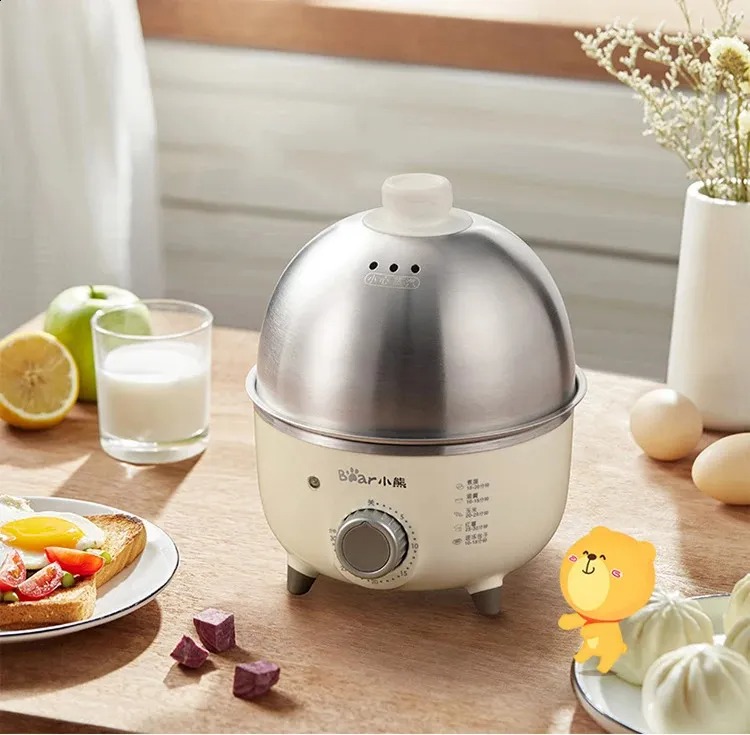
The technology behind an egg cooker is deceptively simple but incredibly effective. You add water to the heating plate, place your eggs in a designated tray, close the lid, and press a button. The amount of water added dictates the desired doneness—less for soft-boiled, more for hard-boiled. Most modern egg cooker models come equipped with an automatic shut-off feature that activates once the water has completely evaporated, signaling with a beep or light that your eggs are ready. This hands-free operation means you can go about your morning routine without constantly monitoring a pot of boiling water, making it a perfect solution for busy individuals and families.
Types of Egg Cookers: Finding Your Perfect Match
The world of egg cookers offers a variety of options, each tailored to different needs and preferences. Understanding the types available can help you choose the best electric egg cooker for your culinary adventures.
Standard Electric Egg Cookers
These are the most common and widely recognized egg cooker models. They typically hold anywhere from 6 to 14 eggs and are designed to produce soft, medium, or hard-boiled eggs with remarkable consistency. Many also include additional trays for poaching eggs or crafting individual omelets, making them a true multitasker. Brands like Dash, Cuisinart, and Elite Gourmet offer popular variations in this category, often featuring sleek designs and intuitive one-touch operation.
Multi-functional Steamers
Some advanced egg cooker models go beyond just eggs. These multi-functional steamers can often steam a variety of other foods, such as vegetables, fish, and even rice. If you’re looking for a compact appliance that can serve multiple purposes in your kitchen, these versatile egg cookers might be an excellent choice, maximizing counter space and utility.
Compact & Microwave Egg Cookers
For those with limited counter space, a smaller household, or an on-the-go lifestyle, compact egg cookers are ideal. These units are designed for fewer eggs (e.g., 2-6 capacity) and are perfect for dorm rooms, small apartments, or RVs. Microwave egg cookers offer an even quicker solution, allowing you to steam eggs rapidly using your microwave, often without the need for an external power source beyond the microwave itself.
Egg Bite Makers
Specializing in the popular sous-vide style egg bites, these egg cooker variations allow you to whip up fluffy, personalized egg bites infused with your favorite fillings. They often come with silicone molds, perfect for preparing grab-and-go breakfasts or healthy snacks.
How to Use Your Egg Cooker: A Step-by-Step Masterclass
Using an egg cooker is refreshingly straightforward, but a few simple steps will ensure you achieve egg-cellent results every time.
- Preparation is Key:
- Pierce the Eggs: Most egg cookers come with a small piercing tool, often located on the bottom of the measuring cup. Gently prick the larger end of each egg. This tiny hole allows steam to escape, preventing cracks during cooking and making the eggs much easier to peel later.
- Measure the Water: The provided measuring cup is your guide. It will have markings indicating the precise amount of water needed for soft, medium, or hard-boiled eggs, depending on the number of eggs you’re cooking. Accuracy here is crucial, as the cooking time is determined by how long it takes for the water to evaporate.
- Load Your Eggs (or Other Delights):
- For boiled eggs, place the pierced eggs upright in the designated wells of the boiling tray.
- For poached eggs, lightly grease the poaching tray inserts, crack an egg into each, and place the tray on the base.
- For omelets, whisk your eggs with any desired fillings, pour into the omelet bowl, and place it in the cooker.
- Operation and Auto Shut-Off:
- Place the lid securely on the egg cooker.
- Plug in the appliance and press the power button. An indicator light will typically illuminate.
- The egg cooker will now work its magic. Once the water has fully evaporated, the cooker will automatically shut off, usually accompanied by an audible buzzer or a light turning off. This feature is a game-changer, eliminating the risk of overcooking and the need for constant supervision.
- Cooling for Easy Peeling:
- Once the egg cooker signals completion, carefully remove the lid (beware of hot steam!).
- Immediately transfer your cooked eggs into a bowl of ice water or run them under cold tap water. This “shocking” process quickly stops the cooking, prevents a green ring around the yolk of hard-boiled eggs, and significantly aids in peeling, resulting in smooth, unblemished whites.
Egg Cooker vs. Traditional Methods: The Game-Changer
Why bother with an egg cooker when you have a pot and a stove? The answer lies in consistency, convenience, and superior results.
Unmatched Consistency
Traditional stovetop boiling often involves guesswork, especially when it comes to achieving that perfect soft or medium yolk. With an egg cooker, the measured water and steaming process ensure predictable results every single time. “As a professional chef with over two decades in the kitchen, I can attest that the precision of an egg cooker for perfect boiled eggs is simply unparalleled,” says Chef Eleanor Vance, a culinary consultant. “It takes all the variables out of the equation.”
Effortless and Hands-Free
Forget watching a pot for rolling boils or setting multiple timers. The egg cooker is a set-it-and-forget-it appliance. Its auto shut-off feature allows you to multitask, making breakfast prep stress-free on busy mornings.
Easier Peeling
Thanks to the steaming method and the recommended piercing of the shell, eggs cooked in an egg cooker are notoriously easier to peel than their stovetop counterparts. This is a huge advantage for dishes like deviled eggs or egg salad, where clean-peeled eggs are essential.
Time and Energy Efficient
Egg cookers typically cook eggs faster than waiting for a large pot of water to boil, especially for smaller batches. They also use less water and energy, making them an environmentally conscious choice.
Tips and Tricks for Egg Cooker Perfection
Even with a reliable egg cooker, a few expert tips can elevate your egg-cooking game:
- Older Eggs are Your Friends: For the absolute easiest peeling, use eggs that are a few days old rather than super fresh ones. Older eggs have a slightly higher pH, which makes the membranes less prone to sticking to the whites.
- Embrace Distilled Water: If you live in an area with hard water, mineral deposits can build up on your egg cooker’s heating plate and even discolor eggshells. Using distilled water can significantly reduce this buildup, keeping your appliance cleaner and your eggs pristine.
- Don’t Overcrowd: Stick to the recommended capacity of your egg cooker. Overcrowding can lead to uneven cooking, as the steam may not circulate effectively around all the eggs.
- Resting Matters: After the egg cooker shuts off, allowing the eggs to sit in the cooker with the lid on for an extra minute or two can gently complete the cooking process, particularly for hard-boiled eggs.
- Keep it Pierced: While some may skip this step, consistently piercing your eggs can be the secret weapon against cracked shells and stubborn peeling.
Maintaining Your Egg Cooker: Longevity and Hygiene
Proper care ensures your egg cooker remains a reliable kitchen companion for years to come.
- Unplug and Cool: Always unplug your egg cooker and allow it to cool completely before cleaning. Safety first!
- Wash Removable Parts: The egg trays, poaching trays, omelet bowls, and lid are typically hand-washable with warm, soapy water. Many are also top-rack dishwasher safe, but always check your specific model’s manual.
- Wipe Down the Base: Use a damp cloth to wipe the exterior of the main body.
- Tackle Mineral Deposits (Descaling): This is the most crucial maintenance step. Mineral buildup on the heating plate is common. To descale, pour a solution of equal parts white vinegar and water (about 1-2 tablespoons each) onto the heating plate. Let it sit for 5-10 minutes, then gently wipe away the residue with a soft cloth or sponge. Rinse with a damp cloth and dry thoroughly. Perform this monthly or whenever you notice significant buildup.
- Combat Lingering Odors: If a faint egg smell persists, try running a cooking cycle with just water and a few drops of lemon juice. This helps neutralize odors, leaving your egg cooker fresh.
- Storage: Ensure all parts are completely dry before reassembling and storing your egg cooker in a cool, dry place. Leaving the lid slightly ajar can also help prevent moisture buildup.
Remember, never immerse the electrical base of your egg cooker in water.
Beyond Breakfast: Creative Recipes with Your Egg Cooker
While perfect boiled eggs are a cornerstone, your egg cooker is far more versatile than you might imagine.
- Classic Comforts: Use your perfectly hard-boiled eggs for flawless egg salad sandwiches, creamy deviled eggs, or as a protein-packed addition to a vibrant Cobb salad. Their easy-to-peel nature makes these preparations a breeze.
- Quick & Healthy Bites: Whisk eggs with your favorite diced vegetables and a sprinkle of cheese, pour into silicone muffin molds (if your cooker has a poaching tray large enough, or dedicated egg bite maker), and steam for savory egg muffins. These are fantastic for meal prep!
- Steamed Delicacies: With the precision steaming, you can even venture into delicate custards or light, fluffy steamed puddings by pouring a mixture of eggs, milk, sugar, and vanilla into heat-safe ramekins.
- Veggies Too! Many egg cooker models, especially the larger capacity ones, can double as mini steamers for small portions of vegetables like broccoli florets, asparagus, or green beans, offering a healthy side in minutes.
Frequently Asked Questions (FAQ)
Is an egg cooker worth investing in?
Absolutely! For anyone who regularly eats eggs, an egg cooker offers unmatched consistency, convenience, and time-saving benefits compared to traditional methods. It’s a small investment that pays off in perfect eggs and stress-free mornings.
Can you cook other things in an egg cooker besides eggs?
Yes, many models come with accessories for poaching eggs and making omelets. Some larger or multi-functional egg cooker units can also steam small vegetables, custards, or even dumplings, expanding their utility in your kitchen.
How long does an egg cooker take to cook eggs?
The cooking time varies depending on the desired doneness and the specific model, but generally, soft-boiled eggs can take 6-8 minutes, medium-boiled 8-10 minutes, and hard-boiled eggs 10-15 minutes, from start to finish. This is often faster than waiting for water to boil on a stove.
Why do my eggs sometimes crack in the egg cooker?
Cracking can occur if the eggs are very cold when placed directly into a steaming environment, or if you skip the piercing step. Piercing the larger end of the egg allows air to escape, preventing pressure buildup that can lead to cracks. Using room-temperature eggs can also help.
How do I get rid of brown stains on the heating plate?
Brown stains are typically mineral deposits from tap water. To remove them, use a solution of equal parts white vinegar and water. Pour it onto the heating plate, let it sit for 5-10 minutes, then wipe it clean with a soft cloth. Regular descaling will prevent severe buildup.
Conclusion
The egg cooker stands as a testament to how intelligent design can simplify everyday tasks, transforming the humble egg into a consistent delight. From the perfect soft-boiled yolk to effortlessly peeled hard-boiled eggs for meal prep, this appliance delivers precision, convenience, and versatility. By understanding its functions, exploring its potential beyond basic boiling, and adhering to simple maintenance, you’re not just buying a kitchen gadget—you’re investing in countless flawless breakfasts and a more enjoyable culinary journey. So, if you’re ready to elevate your egg game and embrace a smarter way to cook, it’s time to welcome an egg cooker into your home. Share your favorite egg cooker recipes and experiences; let’s build a community of perfectly-cooked egg enthusiasts!