For generations, perfecting a simple boiled egg has been a culinary quest, often fraught with cracked shells, inconsistent textures, and the constant vigilance of a bubbling pot. But what if there was a way to achieve flawless eggs, exactly to your liking, every single time, without the fuss? Enter the humble yet revolutionary Egg Machine Cooker – a countertop hero transforming breakfast routines and unlocking new possibilities for quick, nutritious meals. This indispensable gadget is more than just a convenience; it’s a game-changer for anyone who values precision, efficiency, and deliciousness in their kitchen.
The Evolution of Breakfast: What is an Egg Machine Cooker?
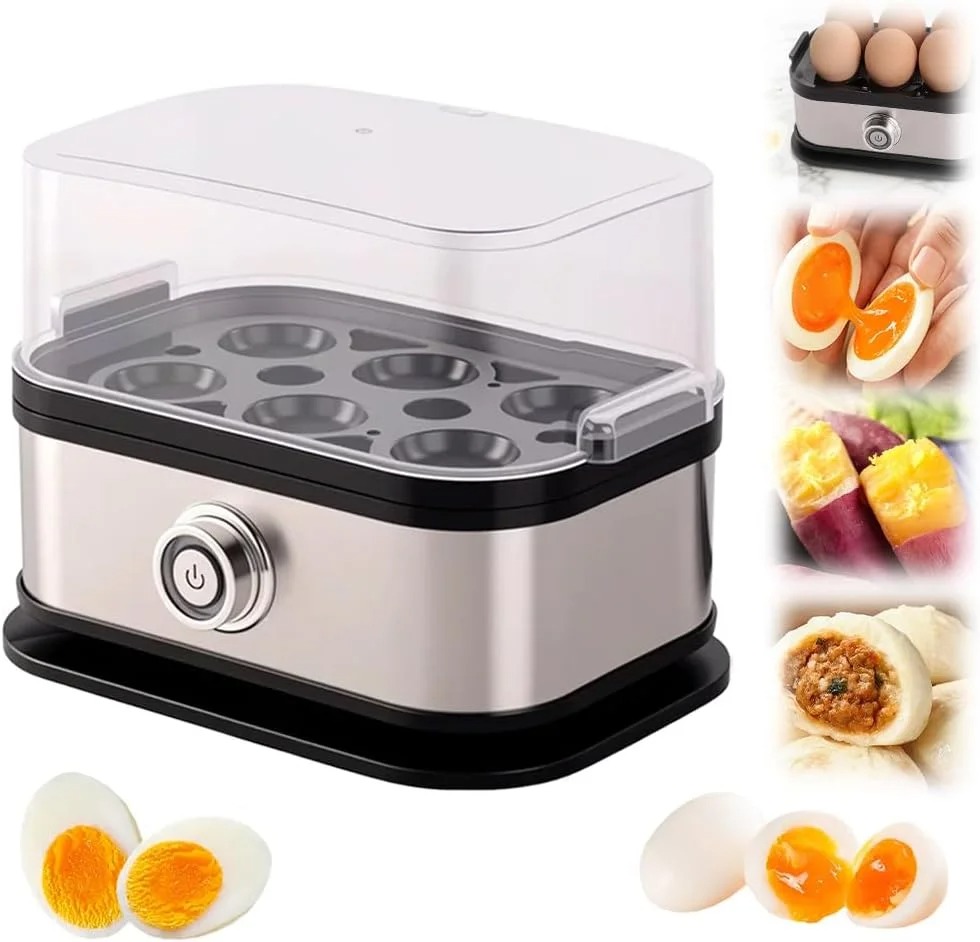
At its core, an egg machine cooker, often referred to as an electric egg boiler or steamer, is a specialized kitchen appliance designed to cook eggs using steam. Unlike the traditional stovetop method where eggs are submerged in boiling water, these clever devices employ a heating element to turn a small, precise amount of water into steam, enveloping the eggs and cooking them evenly from all sides. This steam-based cooking is the secret to their remarkable consistency.
The journey from a simple pot of boiling water to today’s advanced egg machine cooker highlights a desire for culinary simplification. Early models were basic, focused solely on boiling. Modern iterations, however, have evolved into multi-functional powerhouses, capable of much more than just a hard-boiled classic. They typically feature a base with a heating plate, an egg tray or rack, and a lid to trap the steam. A crucial accessory is the measuring cup, often equipped with a piercing pin, which dictates the water volume needed for soft, medium, or hard-boiled eggs. This hands-off approach, coupled with an automatic shut-off feature, means you can set it and truly forget it, knowing perfectly cooked eggs await.
Why Every Kitchen Needs an Egg Machine Cooker: Unbeatable Benefits
Investing in an egg machine cooker brings a cascade of advantages to your daily routine, making it a standout appliance in any modern kitchen.
Consistent Perfection, Every Time
The most compelling reason to own an egg machine cooker is its unwavering ability to deliver consistent results. Say goodbye to the guesswork of stovetop timing and varying heat levels. Whether you crave a runny soft-boiled yolk, a jammy medium, or a firm hard-boiled egg with no green ring, this machine precisely controls the cooking process. You simply add the recommended amount of water, and the steam ensures uniform doneness, batch after batch.
Effortless & Time-Saving
In our fast-paced lives, every minute counts. An egg machine cooker frees you from constantly monitoring a pot on the stove. Just load the eggs, add the water, and press a button. The automatic shut-off and audible alerts mean you can step away and focus on other tasks, confident that your eggs will be ready when you are. This “set it and forget it” convenience makes it ideal for busy mornings or meal prepping.
Energy Efficiency
Compared to heating a large pot of water on a full stovetop burner, an egg machine cooker is remarkably energy-efficient. It heats a smaller volume of water rapidly and uses concentrated steam, resulting in lower power consumption and potentially saving you a few dollars on your utility bill over time.
No More Cracked Shells & Easy Peeling
Cracked shells are a common frustration with traditional boiling. Many egg machine cooker models come with a piercing tool to create a tiny hole at the large end of each egg. This small puncture releases trapped air, preventing the shells from cracking during the steaming process. Furthermore, the steam cooking method often makes the eggs significantly easier to peel once cooled, leaving you with smooth, intact whites – a true blessing for deviled eggs or egg salads.
Beyond the Boil: Surprising Versatility
While its name suggests primary use for boiling, many modern egg machine cookers are incredibly versatile. Beyond perfect hard, medium, or soft-boiled eggs, they often include accessories for poaching delicate eggs, creating fluffy individual omelets, or even preparing scrambled egg bites. Some larger models can also steam small portions of vegetables, turning your egg cooker into a compact, multi-functional steamer.
Compact Design & Easy Storage
Most egg machine cookers are designed with a small footprint, taking up minimal counter space. Their components often nest neatly, making them easy to store in cabinets or drawers when not in use. This makes them particularly well-suited for smaller kitchens, dorm rooms, or even RVs.
Choosing Your Perfect Companion: Types and Features of Egg Machine Cookers
With a variety of egg machine cookers on the market, finding the right one depends on your specific needs and culinary ambitions.
Capacity Considerations
Egg cookers come in various capacities, typically ranging from 6 to 14 eggs.
- Smaller models (6-7 eggs): Ideal for individuals, couples, or those with limited kitchen space.
- Larger models (10-14 eggs, often dual-tier): Perfect for families, meal preppers, or when entertaining guests and needing a larger batch of hard-boiled eggs.
Multi-functional Marvels
Beyond simple boiling, consider models with additional capabilities:
- Poaching Trays: For perfectly shaped poached eggs, often triangular or circular.
- Omelet/Scrambling Trays: To whip up quick, individual omelets or scrambled eggs.
- Steaming Baskets: Some larger units double as miniature food steamers for vegetables.
Key Features to Look For
- Automatic Shut-Off & Audible Alerts: Essential for safety and convenience, preventing overcooking and signaling when eggs are ready. Some even play a melody!
- Measuring Cup with Piercing Pin: A non-negotiable accessory for consistent results and preventing cracks.
- Dishwasher-Safe Components: Simplifies cleanup significantly for non-electrical parts like trays and lids.
- BPA-Free Materials: Ensures food safety, especially for parts that come into contact with your eggs.
- Durable Construction: Stainless steel heating plates are common, offering longevity and easy cleaning.
Unleashing Your Egg Machine Cooker: A Step-by-Step Usage Guide
Using an egg machine cooker is incredibly straightforward, but a few simple steps ensure optimal results.
- Preparation is Key: Start by filling the included measuring cup with cold water to the line indicated for your desired doneness (soft, medium, or hard-boiled). For best results, use room-temperature eggs.
- Pierce with Precision: Gently use the piercing pin on the bottom of the measuring cup to poke a small hole in the larger end of each egg. This crucial step releases air and prevents cracking.
- Load ‘Em Up: Place the pierced eggs, hole-side up, into the egg tray. If poaching or making an omelet, use the designated trays.
- Cover and Power On: Securely place the lid on the cooker. Plug in the unit and press the power button. The cooking cycle will begin automatically, often indicated by a light.
- Cool Down for Easy Peeling: Once the cooker signals completion (usually with a buzzer or by automatically shutting off), immediately transfer the cooked eggs to an ice bath for about 5 minutes. This rapidly stops the cooking process and makes peeling significantly easier.
Egg Machine Cooker vs. Stovetop: The Great Debate
For generations, the stovetop was the only way to boil an egg. However, the egg machine cooker presents a compelling alternative with distinct advantages.
Precision & Control: Stovetop boiling can be imprecise, relying on visual cues and timer settings that can vary with stove power and pot size. An egg machine cooker, using measured water and consistent steam, offers unparalleled precision, virtually eliminating over- or undercooked eggs.
Convenience & Safety: The “set it and forget it” nature of an electric egg cooker outshines the stovetop, which demands constant attention to prevent boil-overs or scorching. The automatic shut-off provides peace of mind, especially for busy individuals.
Consistency: Achieving the same level of doneness repeatedly on a stovetop requires practice. The egg machine cooker delivers reliable, consistent results every single time, making it a favorite for those who appreciate predictability in their cooking.
Energy Consumption: As mentioned, egg machine cookers generally use less energy than bringing a large pot of water to a rolling boil on a stovetop burner.
While some purists might argue the stovetop offers a certain tactile satisfaction, for practicality, efficiency, and consistent perfection, the egg machine cooker often wins the day.
Tips and Tricks for Egg Machine Cooker Perfection
Even with a fool-proof appliance, a few expert tips can elevate your egg cooking game:
- Room Temperature Reigns: Using eggs that are at room temperature can help them cook more evenly and reduce the risk of cracking.
- Always Pierce: Don’t skip the piercing step! It’s a small action that makes a big difference in preventing shell cracks.
- Accurate Water is Key: The measuring cup is your best friend. Deviating from the recommended water levels can alter the cooking time and final doneness.
- Ice Bath is Your Ally: For easy peeling and to halt the cooking process, plunge your eggs into an ice bath immediately after the cooking cycle finishes.
- Experimentation: Different egg sizes or cooker models might require slight adjustments. Don’t be afraid to tweak the water level slightly to find your personal preference for soft, medium, or hard-boiled.
Keeping Your Egg Machine Cooker Pristine: Maintenance and Cleaning
Proper care ensures your egg machine cooker performs optimally and lasts for years.
- After Every Use: Always unplug the cooker and allow it to cool completely before cleaning.
- Cleaning Removable Parts: The lid, egg tray, poaching tray, and any other removable accessories can typically be washed with warm, soapy water and a soft sponge. Many are top-rack dishwasher safe, but always check your manual. Avoid abrasive scrubbers that can scratch plastic surfaces.
- Tackling the Heating Plate: Mineral deposits (limescale) from water can build up on the heating plate over time. For regular cleaning, wipe with a damp cloth. For stubborn buildup, mix equal parts white vinegar and water, pour it onto the heating plate, and let it sit for 5-10 minutes. Then, gently wipe away the residue with a soft cloth. Rinse with a damp cloth and dry thoroughly. Never immerse the electrical base in water.
- General Care: Wipe down the exterior with a damp cloth to remove any spills or fingerprints. Using distilled water for cooking can help minimize mineral buildup. Avoid harsh chemicals or abrasive cleaners on any part of the cooker. Store the appliance in a cool, dry place when not in use.
Delicious Possibilities: Recipes with Your Egg Machine Cooker
The versatility of the egg machine cooker extends far beyond a simple breakfast.
- Perfect Hard-Boiled Eggs: Ideal for classic deviled eggs, nutrient-packed salads, hearty egg salad sandwiches, or simply as a protein-rich snack.
- Fluffy Poached Eggs: Elevate your breakfast with flawless poached eggs atop avocado toast, Eggs Benedict, or a savory grain bowl.
- Quick Omelets & Scrambles: Utilize the omelet tray for single-serving, light, and healthy omelets filled with your favorite veggies and cheese, or quick scrambled eggs.
- Steamed Sides: If your model has steaming capabilities, gently steam asparagus, broccoli florets, or other quick-cooking vegetables for a healthy side dish.
Expert Q&A: Your Top Egg Machine Cooker Questions Answered
Many users have common questions about getting the most out of their egg machine cooker. Here are some of the most frequent inquiries:
Q: Can I put unpierced eggs in an egg cooker?
A: While some users claim success, it’s highly recommended to pierce eggs. The small hole releases pressure during steaming, significantly reducing the chance of cracks and ensuring a cleaner cook.
Q: How long does an egg machine cooker take to cook eggs?
A: Cooking times vary depending on the desired doneness, the number of eggs, and the specific model. Generally, soft-boiled eggs can take 6-8 minutes, medium 9-11 minutes, and hard-boiled 12-16 minutes.
Q: Are egg machine cookers energy efficient?
A: Yes, absolutely! They are more energy-efficient than boiling water on a stovetop because they use a smaller heating element and less water, which cooks faster. This translates to reduced electricity consumption.
Q: What types of eggs can I cook in an egg machine cooker?
A: Primarily, they are designed for soft, medium, or hard-boiled eggs. Many models also include trays for poaching eggs and making individual omelets or scrambled eggs. Some can even steam small vegetables.
Q: How do I prevent mineral buildup on the heating plate?
A: To minimize mineral deposits, use distilled or filtered water instead of tap water. Regular cleaning with a vinegar and water solution, as outlined in the maintenance section, is also very effective for descaling.
Q: Is it safe to leave my egg machine cooker unattended?
A: Yes, generally. Most modern egg machine cookers feature an automatic shut-off mechanism that activates once the water has evaporated or the eggs are cooked to the set doneness. This ensures safety and prevents overcooking, making them a “set-and-forget” appliance.
The Final Word: Elevate Your Egg Experience with an Egg Machine Cooker
From battling cracked shells to achieving that elusive perfect yolk, the challenges of traditional egg cooking can be a thing of the past. The egg machine cooker stands as a testament to how intelligent design can transform a simple task into an effortless pleasure. Its ability to deliver consistent results, save precious time and energy, and offer surprising versatility makes it an indispensable tool for every kitchen. Whether you’re a culinary novice or a seasoned chef, embracing an egg machine cooker means elevating your daily meals, ensuring nutritious, perfectly cooked eggs are always just minutes away. Invest in this modern kitchen marvel and join the community of savvy cooks who’ve discovered the true value of an egg machine cooker in enhancing their culinary quality of life.