In the bustling world of modern kitchens, where efficiency meets culinary excellence, the quest for perfectly cooked eggs consistently and quickly has never been more critical. Whether you’re a home cooking enthusiast seeking breakfast perfection or a professional chef managing a high-volume brunch rush, mastering egg preparation is key. Enter the Egg Station Cooker, a true game-changer in the realm of kitchen appliances, designed to streamline your egg cooking process and deliver impeccable results every single time. It’s more than just a gadget; it’s an indispensable tool that elevates your egg game from ordinary to extraordinary.
What is an Egg Station Cooker?
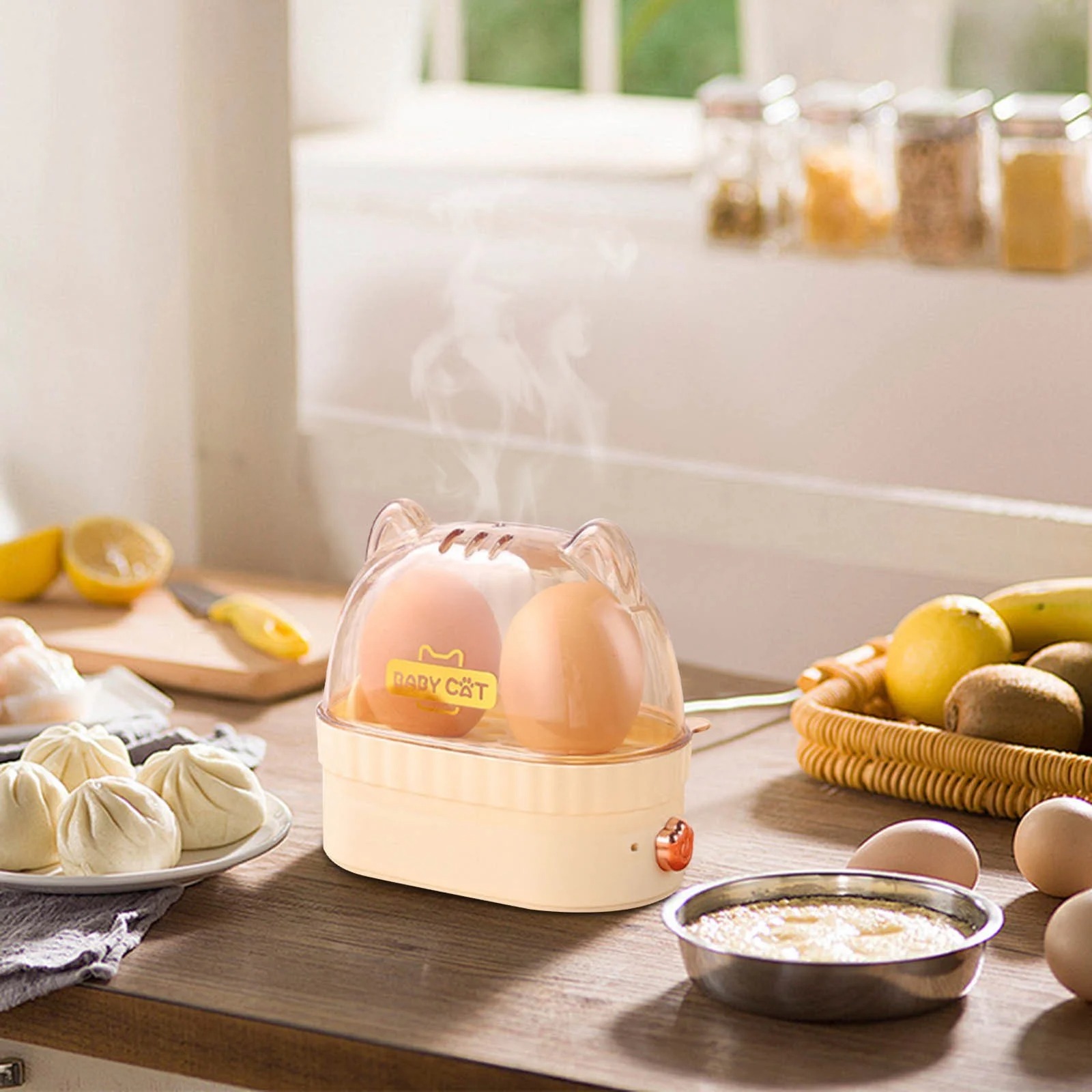
An egg station cooker is a specialized piece of cooking equipment primarily engineered for commercial kitchens, though its principles are valuable for any serious home cook. Unlike a basic egg boiler, these powerful machines use a combination of heat and steam to cook multiple eggs simultaneously within individual rings or molds. Think perfectly shaped eggs for breakfast sandwiches, fluffy omelets, or consistent poached eggs, all produced with remarkable speed and uniformity. Brands like Antunes and Roundup are well-known for their robust egg station cooker models, which are a staple in many quick-service restaurants, hotels, and cafeterias. They are designed to be compact, sitting neatly on a countertop, making them an ideal solution for optimizing kitchen space while significantly boosting output.
The Evolution of Egg Cooking: From Stovetop to Egg Station Cooker
For centuries, cooking eggs involved traditional methods: boiling in a pot, frying in a pan, or scrambling over an open flame. While these techniques remain timeless, they often demand constant attention, precise timing, and can be challenging to scale for large quantities while maintaining consistency.
The advent of the electric egg cooker for home use brought convenience, simplifying tasks like hard-boiling or poaching a few eggs. However, the true leap in efficiency and volume came with the development of the egg station cooker. This sophisticated appliance addresses the specific demands of a professional setting, transforming a labor-intensive, multi-step process into a swift, automated operation. It moves beyond simply boiling or poaching, allowing for a wider array of egg preparations tailored for speed and consistency, a testament to how kitchen technology continually evolves to meet the needs of diverse culinary environments.
Diverse Egg Cookers: Commercial Power vs. Home Convenience
The term “egg cooker” can encompass a wide range of devices. Understanding the distinctions helps in choosing the right tool for your specific needs.
Commercial Egg Station Cookers
These are the workhorses of professional kitchens. Designed for high throughput, commercial egg station cookers excel in speed, capacity, and consistency. They often feature multiple cooking wells (e.g., 6, 12, or more), allowing a single operator to prepare dozens of perfectly formed eggs per hour. Using a combination of precisely controlled heat and steam, these units ensure that every egg, whether for a breakfast sandwich, a plate of eggs Benedict, or a fluffy omelet, meets exacting standards without constant oversight. Models like the Antunes ES-600 or ES-1200 are built for durability and continuous operation, making them invaluable for busy breakfast and brunch services.
Home Electric Egg Cookers
For the everyday kitchen, home electric egg cookers are compact and user-friendly. Brands like Dash, Cuisinart, and Elite Gourmet offer models that can boil anywhere from 1 to 12 eggs, poach a few, or even make mini omelets. They often come with water measuring cups to dictate doneness and feature auto-shutoff functions. While excellent for personal or family use, their capacity and speed are typically not suited for commercial volumes.
|
Our Picks for the Best Egg Cooker in 2026
As an Amazon Associate I earn from qualifying purchases.
|
||
| Num | Product | Action |
|---|---|---|
| 1 | Evoloop Rapid Egg Cooker Electric 6 Eggs Capacity, Soft, Medium, Hard Boiled, Poacher, Omelet Maker Egg Poacher With Auto Shut-Off, BPA Free |

|
| 2 | Elite Gourmet EGC115M Easy Egg Cooker Electric 7-Egg Capacity, Soft, Medium, Hard-Boiled Egg Cooker with Auto Shut-Off, Measuring Cup Included, BPA Free, Retro Mint |
|
| 3 | Elite Gourmet EGC1215B Easy Egg Cooker, Stainless-steel Heating Plate, Two-Tiered, 14-Egg Capacity, Soft, Medium, Hard-Boiled, Auto Shut-Off, Omelets, Poached Eggs, Measuring Cup, Piercing Pin, Black |
|
| 4 | Elite Gourmet EGC-007B# Rapid Egg Cooker, 7 Easy-To-Peel, Hard, Medium, Soft Boiled Eggs, Poacher, Omelet Maker, Auto Shut-Off, Alarm, 16-Recipe Booklet, Black |
|
| 5 | Elite Gourmet EGC115B Easy Egg Cooker Electric 7-Egg Capacity, Soft, Medium, Hard-Boiled Egg Cooker with Auto Shut-Off, Measuring Cup Included, BPA Free, Classic Black |
|
| 6 | Hard Boiled Egg Cooker - CACHOO 14-Egg Rapid Stainless Steel Egg Boiler with 30-Min Timer & Auto Shut Off, Compact Electric Vegetable Steamer for Cooking, Dishwasher Safe, Black |
|
| 7 | Smart Fried Egg Cooker, Automatic Fried Egg Maker for 6 Features like Sunny Side Up, Over Easy, Fully Cooked & More. Auto Power Off, Alarm, Round Shape, Non Stick Coating |
|
| 8 | Dash Rapid Egg Cooker - Boiler, Poacher & Steamer - Includes Measuring & Recipe Guide - Dishwasher Safe - Holds 7 Eggs, Aqua |
|
| 9 | DASH Electric Rapid Egg Cooker for Hard Boiled/Poached/Scrambled Eggs or Omelets with Auto Shut-Off Feature, Black, 7 Egg Capacity |
|
| 10 | Evoloop Rapid Egg Cooker Electric 6 Eggs Capacity, Soft, Medium, Hard Boiled, Poacher, Omelet Maker Egg Poacher With Auto Shut-Off, BPA Free |
|
The Art of Perfect Eggs with an Egg Station Cooker: A Step-by-Step Guide
Operating an egg station cooker effectively ensures consistent, high-quality results. Here’s a detailed breakdown of the process:
- Preparation is Key: Before you begin, ensure your egg station cooker is plugged in and has preheated for the recommended 20-30 minutes. The unit should be level to ensure even cooking and prevent eggs from leaking. Grease the cooking surface and the individual egg rings generously with melted butter or a suitable equivalent. This crucial step prevents sticking and guarantees easy removal.
- Crack and Conquer: Crack medium-sized eggs directly into each egg ring. If you’re making eggs for sandwiches, a quick poke or break of the yolk with a spatula can ensure even cooking and a flatter final product.
- Steam Power: Close the top cover of the egg station cooker. Most models feature water troughs or reservoirs on the top cover. Fill these completely with warm water. This water generates the steam that cooks the top of the egg, resulting in a perfectly jelled yolk and a moist, tender texture. Underfilling the troughs can lead to undercooked eggs.
- Select Your Cycle: Depending on your model and the desired doneness (and whether eggs are at room temperature or refrigerated), select the appropriate cooking cycle. Commercial units often have pre-programmed timers for different egg styles. For example, some units might offer a two-minute cycle for room-temperature eggs and a two-and-a-half-minute cycle for refrigerated eggs.
- The Grand Reveal: Once the cooking cycle is complete, carefully open the top cover. To loosen the eggs, gently raise the egg rack by about an inch and then drop it. This slight motion helps detach the eggs from the rings.
- Serve with Precision: Lift the egg rack completely off the cooked eggs. Using a spatula, carefully remove each egg, ideally in the order they were added, ensuring a smooth flow during service.
Following these steps will consistently yield perfectly cooked eggs, ready for any culinary creation.
Why Every Professional Kitchen Needs an Egg Station Cooker: Key Benefits
For any foodservice operation, the egg station cooker isn’t just a convenience; it’s a strategic investment.
- Unmatched Efficiency & Speed: Imagine producing up to 60 perfectly cooked eggs per hour with minimal effort. An egg station cooker drastically cuts down cooking time, allowing kitchens to meet high demand during peak hours without compromising quality.
- Unwavering Consistency: Every egg emerges with the same shape, texture, and doneness. This consistency is paramount in professional settings, ensuring customer satisfaction and maintaining brand standards.
- Reduced Labor Costs: Automated cooking cycles mean less active monitoring by staff. This frees up valuable labor for other critical kitchen tasks, optimizing operational flow.
- Versatility Beyond Belief: While excellent for uniform “egg rounds” for breakfast sandwiches, many egg station cooker models can also prepare perfectly portioned omelets, scrambled eggs, and even steam some lighter ingredients.
- Space-Saving Design: Despite their high capacity, most egg station cookers are countertop units, offering a compact footprint that is essential in busy kitchens where space is at a premium.
- Simplified Cleaning & Maintenance: Designed for commercial use, these units are typically constructed with easy-to-disassemble parts that are quick to clean, a vital factor for maintaining hygiene standards and operational readiness.
“In my 15 years consulting for kitchens, I’ve seen the Antunes egg station cooker transform breakfast service from chaotic to seamless. Its consistency alone pays for itself in reduced waste and happier customers,” says Chef Isabella Rossi, a renowned culinary operations consultant.
Maintenance and Cleaning Your Egg Station Cooker
Proper maintenance extends the life of your egg station cooker and ensures optimal performance.
- Daily Routine: After each use, allow the unit to cool. Clean the grill surface and egg rings thoroughly, removing any butter, oil, or egg residue. The egg rack, top cover, and service pans should be washed in hot, soapy water, rinsed, and air-dried before reassembly.
- Monthly Checks: Periodically check the cooking cycle times to ensure they remain accurate. Also, verify the grill platen temperature to confirm it falls within the recommended range (typically 250°F–300°F). Refer to your unit’s manual for specific instructions and troubleshooting.
- Troubleshooting Common Issues: If eggs are sticking, ensure the cooking surface and rings are adequately greased and the unit is properly preheated. Undercooked eggs often result from insufficient water in the troughs or incorrect cycle selection. Leaking eggs typically point to egg rings not seated flat on the platen surface. Addressing these small details proactively will keep your egg station cooker running smoothly.
Beyond Breakfast: Creative Dishes with Your Egg Station Cooker
While most famously associated with breakfast, the versatility of an egg station cooker opens doors to a range of culinary applications:
- Classic Breakfast Sandwiches: The uniform shape is perfect for English muffins, bagels, or toast.
- Mini Omelets and Frittatas: Whisked eggs with cheese, herbs, or diced vegetables cooked in the rings create delightful individual portions.
- Egg Bites: Combine eggs with various fillings for protein-packed snacks or sides, similar to popular coffee shop offerings.
- Steamed Garnishes: Some models can gently steam thin vegetable slices, adding a healthy touch to meals.
- Salad Toppers: Quickly prepare perfectly cooked egg portions to elevate salads, providing a convenient source of protein.
Expert Insights: Choosing the Right Egg Station Cooker
Selecting the ideal egg station cooker involves careful consideration of your specific operational needs. First, assess your required capacity – how many eggs do you realistically need to produce per hour during peak times? Next, examine the features: do you need dual cooking zones, programmable cycles, or integrated timers? The physical footprint is also crucial; measure your available countertop space. Don’t forget to factor in your budget, but remember that investing in a reputable brand often translates to better durability and support. Finally, consider user reviews and manufacturer reputation for reliability and ease of maintenance. A well-chosen egg station cooker isn’t just a purchase; it’s a long-term partnership in culinary efficiency.
FAQ about Egg Station Cookers
What’s the difference between an egg cooker and an egg station cooker?
While both cook eggs, an “egg cooker” typically refers to a smaller, home-use appliance for boiling, poaching, or making simple omelets for a few individuals. An “egg station cooker” is a robust, high-capacity commercial unit designed for rapid, consistent production of multiple perfectly shaped eggs in professional kitchen environments, often utilizing a combination of heat and steam.
How many eggs can an egg station cooker make at once?
Egg station cookers vary in capacity, but commercial models can typically cook anywhere from 6 to 12 eggs simultaneously, with larger units capable of producing up to 60 eggs per hour or more, depending on the model and cooking cycle.
Are egg station cookers easy to clean?
Yes, egg station cookers are generally designed for easy cleaning. Most components, such as the egg rings, egg rack, and service pans, are removable and can be washed in hot, soapy water. The main cooking surface requires daily wiping and scraping to maintain hygiene and prevent sticking.
Can I make different types of eggs (e.g., scrambled, poached) in an egg station cooker?
Absolutely! While excellent for perfectly formed fried or “round” eggs for sandwiches, many egg station cooker models are versatile enough to prepare poached eggs, individual omelets, and even scrambled eggs, often with specific accessories or adjustments to the cooking process.
Are they only for commercial use?
While egg station cookers are primarily designed and marketed for commercial kitchens due to their high capacity, speed, and durability requirements, their principles of consistent, fast egg cooking can appeal to serious home chefs or those who frequently entertain large groups. However, their size and cost are typically overkill for average home use.
Elevate Your Egg Game with an Egg Station Cooker
From the humble stovetop to the high-tech commercial kitchen, the journey of egg preparation has seen remarkable advancements. The egg station cooker stands as a pinnacle of this evolution, offering unparalleled efficiency, consistency, and versatility for anyone serious about serving perfect eggs. Whether you’re optimizing a busy restaurant breakfast line or simply aspiring to culinary excellence in your own kitchen, investing in a quality egg station cooker is an investment in time-saving, labor-reducing, and consistently delicious results. It’s time to embrace the future of egg cooking and discover the true value this remarkable appliance brings to your daily meals and professional offerings.