In the hustle and bustle of modern life, finding time for a nutritious and satisfying breakfast can feel like a luxury. We crave delicious, wholesome meals, but often settle for less due to time constraints. Enter the Microwave Poached Egg Cooker – a game-changer for anyone looking to enjoy perfectly poached eggs without the fuss, mess, or lengthy cooking times of traditional methods. As a seasoned expert in kitchen appliances, I’ve seen countless innovations, but this simple gadget consistently delivers on its promise, transforming your morning routine and opening up a world of culinary possibilities.
What is a Microwave Poached Egg Cooker and How Does It Work?
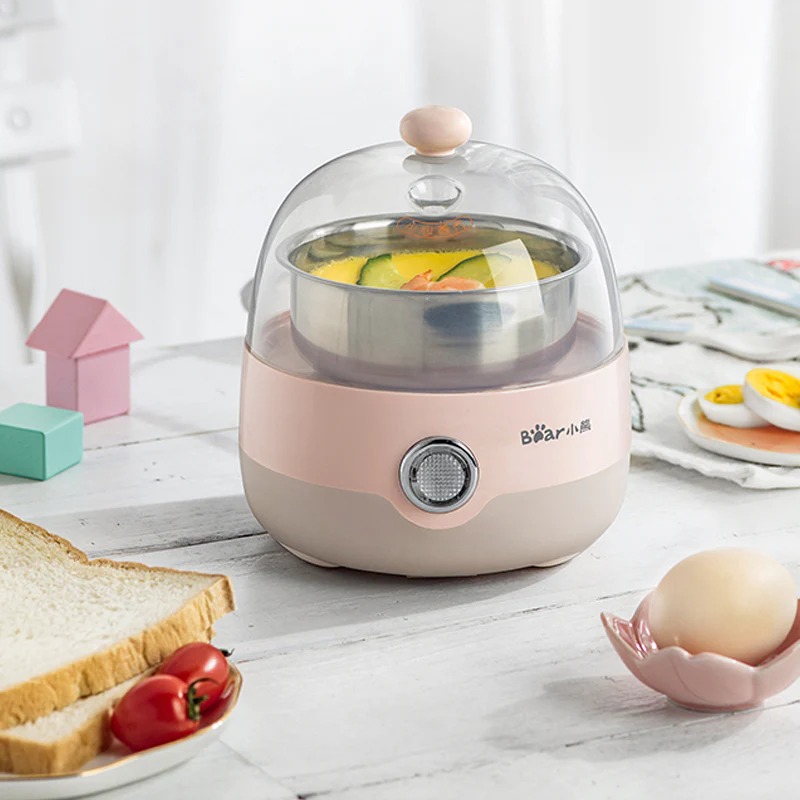
At its heart, a microwave poached egg cooker is a specialized container designed to harness the power of your microwave oven to steam eggs, resulting in that coveted delicate texture of a perfectly poached egg. Think of it as a mini, controlled environment where water and egg combine to create breakfast magic. Typically made from BPA-free, microwave-safe plastic or silicone, these devices usually feature one or more cavities for eggs, often with a lid and a small reservoir for water.
The principle is remarkably simple: a small amount of water is added to the cooker, creating steam when microwaved. This steam gently cooks the egg, replicating the tender results of stovetop poaching but in a fraction of the time. This ingenious design not only streamlines the cooking process but also minimizes cleanup, making it an indispensable tool for busy individuals and health-conscious eaters alike.
Different Types of Microwave Poached Egg Cookers
The market offers a surprising variety of microwave poached egg cookers, each with its own nuances to suit different needs. From single-serving cups to multi-cavity models, understanding the distinctions can help you choose the perfect fit for your kitchen.
- Single-Cavity Poachers: These compact devices are ideal for those who usually cook one egg at a time. They are often minimalist in design, easy to store, and perfect for quick solo breakfasts.
- Multi-Cavity Poachers: Designed to cook two or more eggs simultaneously, these are great for couples or small families. They save time when you need multiple servings, often featuring separate compartments to ensure each egg cooks evenly.
- Multi-Functional Cookers: Some innovative designs go beyond just poaching, allowing you to scramble eggs, make mini omelets, or even fry eggs in the microwave. These versatile gadgets offer more bang for your buck, expanding your breakfast repertoire.
- Material and Design: Most are made from durable, food-grade plastic, often explicitly labeled as BPA-free and dishwasher safe for convenience. Silicone options are also popular for their flexibility and non-stick properties. Designs range from simple cups to more elaborate hinged containers with integrated water lines.
When selecting an egg cooker, consider your typical breakfast needs, kitchen space, and desired features. For a reliable option, many consumers turn to highly-rated models online.
|
Our Picks for the Best Egg Cooker in 2026
As an Amazon Associate I earn from qualifying purchases.
|
||
| Num | Product | Action |
|---|---|---|
| 1 | Elite Gourmet EGC115M Easy Egg Cooker Electric 7-Egg Capacity, Soft, Medium, Hard-Boiled Egg Cooker with Auto Shut-Off, Measuring Cup Included, BPA Free, Retro Mint |

|
| 2 | Elite Gourmet EGC-007B# Rapid Egg Cooker, 7 Easy-To-Peel, Hard, Medium, Soft Boiled Eggs, Poacher, Omelet Maker, Auto Shut-Off, Alarm, 16-Recipe Booklet, Black |
|
| 3 | DASH Electric Rapid Egg Cooker for Hard Boiled/Poached/Scrambled Eggs or Omelets with Auto Shut-Off Feature, Black, 7 Egg Capacity |
|
| 4 | Evoloop Rapid Egg Cooker Electric 6 Eggs Capacity, Soft, Medium, Hard Boiled, Poacher, Omelet Maker Egg Poacher With Auto Shut-Off, BPA Free |
|
| 5 | Smart Fried Egg Cooker, Automatic Fried Egg Maker for 6 Features like Sunny Side Up, Over Easy, Fully Cooked & More. Auto Power Off, Alarm, Round Shape, Non Stick Coating |
|
| 6 | Evoloop Rapid Egg Cooker Electric 6 Eggs Capacity, Soft, Medium, Hard Boiled, Poacher, Omelet Maker Egg Poacher With Auto Shut-Off, BPA Free |
|
| 7 | Hard Boiled Egg Cooker - CACHOO 14-Egg Rapid Stainless Steel Egg Boiler with 30-Min Timer & Auto Shut Off, Compact Electric Vegetable Steamer for Cooking, Dishwasher Safe, Black |
|
| 8 | Elite Gourmet EGC1215B Easy Egg Cooker, Stainless-steel Heating Plate, Two-Tiered, 14-Egg Capacity, Soft, Medium, Hard-Boiled, Auto Shut-Off, Omelets, Poached Eggs, Measuring Cup, Piercing Pin, Black |
|
| 9 | Dash Rapid Egg Cooker - Boiler, Poacher & Steamer - Includes Measuring & Recipe Guide - Dishwasher Safe - Holds 7 Eggs, Aqua |
|
| 10 | Elite Gourmet EGC115B Easy Egg Cooker Electric 7-Egg Capacity, Soft, Medium, Hard-Boiled Egg Cooker with Auto Shut-Off, Measuring Cup Included, BPA Free, Classic Black |
|
Mastering Your Microwave Poached Egg Cooker: A Step-by-Step Guide
Achieving poached egg perfection with your microwave poached egg cooker is easier than you might think, but a few expert tips can make all the difference.
Preparation is Key
Start by adding the recommended amount of water to the cooker – usually just a tablespoon or two per egg, or up to an indicated fill line. A tiny drop of cooking spray or butter in each cavity can help with non-stick, though many modern cookers perform well without it. Crack a fresh egg into each cavity. Fresh eggs tend to hold their shape better, resulting in a neater poached egg.
The Golden Rule: Pierce the Yolk!
This is perhaps the most crucial step for safety and success when using a microwave poached egg cooker. Before microwaving, always, always gently pierce the yolk of each egg with a toothpick or the tip of a knife. Eggs can explode in the microwave due to steam building up inside the yolk. Piercing it allows that steam to escape safely, preventing a messy (and potentially dangerous) culinary mishap.
Setting the Right Time and Power
Microwave wattages vary, so cooking times are not one-size-fits-all. A good starting point is often 45-60 seconds for one egg on high power (around 800-1000 watts). For a softer yolk, you might reduce the time slightly; for a firmer one, add a few more seconds. If cooking multiple eggs, you may need to add a bit more time. It’s best to start with the manufacturer’s instructions and then adjust based on your microwave and desired doneness.
The All-Important Resting Period
Once the microwave beeps, resist the urge to immediately remove your eggs. Let them rest in the covered microwave poached egg cooker for an additional 30-60 seconds. This crucial resting period allows the eggs to finish cooking gently with residual heat, ensuring the whites are fully set while the yolk remains perfectly runny.
Post-Cooking Care
Carefully remove the lid (beware of steam!). Most cookers have a design that allows you to easily drain any excess hot water before gently sliding your beautifully poached egg onto your plate.
Microwave Poached Eggs vs. Traditional Methods: A Head-to-Head Battle
For centuries, stovetop poaching has been the gold standard, but the microwave poached egg cooker offers compelling advantages.
Speed and Convenience
Traditional stovetop poaching requires bringing a pot of water to a simmer, adding vinegar, creating a whirlpool, and carefully dropping in eggs one by one. This is time-consuming and often requires undivided attention. The microwave poached egg cooker, by contrast, delivers poached eggs in under two minutes of active cooking time, making it the undisputed champion for speed and ease on busy mornings.
Cleanup
A messy pot of vinegar-infused water and sticky egg residue is a common aftermath of stovetop poaching. With a microwave poached egg cooker, cleanup is typically as simple as a quick rinse or tossing it into the dishwasher (if applicable). This minimal mess is a huge win for daily use.
Texture and Consistency
While a master chef might argue that stovetop poaching yields a slightly superior, silkier texture, the modern microwave poached egg cooker comes incredibly close. With a little practice, you can consistently achieve eggs with firm whites and beautifully runny yolks, making it an excellent alternative that doesn’t sacrifice much in terms of quality.
Safety Considerations
As mentioned, traditional methods can involve hot water and open flames. While microwaving eggs requires piercing the yolk, it generally poses fewer immediate burn risks than handling boiling water.
Expert Tips for Perfectly Poached Eggs Every Time
Elevate your microwave poached egg cooker game with these insider tips:
- Use Fresh Eggs: Fresher eggs have tighter whites that hold their shape better during cooking, resulting in a more aesthetically pleasing poached egg.
- Adjust Water Levels Precisely: Too much water can make eggs watery; too little can cause them to dry out. Follow instructions or experiment slightly to find your ideal amount.
- Consider a Quick Strain: For exceptionally neat eggs, some chefs recommend cracking your egg into a fine-mesh sieve first to allow any “loose” egg white to drain off before transferring it to the cooker.
- Season Generously: A sprinkle of salt and freshly ground black pepper immediately after cooking enhances the flavor of your perfectly poached egg.
Maintaining Your Microwave Poached Egg Cooker
Keeping your microwave poached egg cooker in top condition ensures longevity and hygienic use.
- Cleaning: Most models are dishwasher safe, making cleanup a breeze. If handwashing, use warm, soapy water and a soft sponge to avoid scratching.
- Storage: The compact design of most egg cookers means they can be easily stored in a cupboard or drawer, taking up minimal space.
The Benefits of Embracing the Microwave Poached Egg Cooker in Your Kitchen
Incorporating a microwave poached egg cooker into your kitchen routine offers a wealth of advantages that extend beyond just breakfast.
- Healthy Eating Made Easy: Poached eggs are a fantastic source of protein, vitamins, and minerals, with no added fats from oil or butter (unless desired for flavor). This makes them a cornerstone of many healthy diets.
- Time-Saving Solution: For busy mornings, a healthy, hot breakfast in under two minutes is a dream come true. This device eliminates excuses for skipping the most important meal of the day.
- Versatility in Meals: Poached eggs aren’t just for breakfast! They elevate salads, avocado toast, ramen, and many other dishes, adding protein and richness.
- Cost-Effective: Investing in a simple microwave poached egg cooker is an affordable way to enjoy restaurant-quality poached eggs at home, saving you money in the long run.
Delicious Dishes You Can Create with Your Microwave Poached Egg Cooker
Beyond the classic “egg on toast,” your microwave poached egg cooker unlocks numerous culinary delights:
- Weekday Eggs Benedict: Top an English muffin with Canadian bacon, your perfectly poached egg, and a drizzle of store-bought hollandaise for a quick gourmet breakfast.
- Gourmet Avocado Toast: Elevate your avocado toast with a warm, runny-yolked poached egg, a sprinkle of chili flakes, and everything bagel seasoning.
- Hearty Salad Topper: Add a poached egg to any salad for an instant protein boost and a rich, creamy dressing when the yolk breaks.
- Instant Ramen Upgrade: Transform basic instant ramen into a wholesome meal with a freshly poached egg, offering added protein and depth of flavor.
FAQ: Your Top Questions About Microwave Poached Egg Cookers Answered
Can I make hard-boiled eggs in a microwave poached egg cooker?
Generally, no. Microwave poached egg cookers are specifically designed to steam eggs, resulting in a texture similar to traditional poaching. For hard-boiled eggs, you’d typically use a stovetop or a dedicated electric egg cooker. Attempting to “hard boil” an egg in the microwave (especially in its shell) is unsafe and can lead to explosions.
How do I stop my egg from exploding in the microwave?
The key is to always pierce the yolk of the raw egg with a toothpick or knife tip before microwaving. This allows steam to escape during cooking, preventing pressure buildup that can cause the egg to explode.
Is it safe to microwave eggs?
Yes, it is perfectly safe to microwave eggs when proper precautions are taken. As long as you pierce the yolk for poached eggs and avoid microwaving whole eggs in their shell, microwave cooking is a fast and convenient method.
How much water should I add to my microwave poached egg cooker?
Most microwave poached egg cookers have a clearly marked fill line. If not, a general rule is to add about 1-2 tablespoons of water per egg cavity. The water creates the steam necessary for poaching.
Can I cook more than one egg at a time?
Yes, many microwave poached egg cookers are designed with multiple cavities, allowing you to cook two, three, or even four eggs simultaneously. Just be aware that cooking multiple eggs might require a slightly longer overall microwave time compared to a single egg.
Conclusion
The microwave poached egg cooker is more than just a kitchen gadget; it’s a testament to how intelligent design can simplify healthy eating and reclaim precious morning time. As someone who has dedicated years to understanding kitchen appliances, I can confidently say that this device offers unparalleled convenience and consistent results, making perfect poached eggs accessible to everyone. If you’re looking to elevate your breakfast game, enjoy healthier meals, and streamline your kitchen routine, investing in a high-quality microwave poached egg cooker is a decision you won’t regret. Embrace the ease, savor the flavor, and join the community of smart cooks who have discovered this remarkable kitchen essential.