Let’s face it, cooking eggs on the stovetop can be a hit-or-miss affair. You’re constantly juggling water levels, timing, and trying to prevent cracks, often ending up with eggs that are either too runny or disappointingly rubbery. But what if there was a simple, compact device that guaranteed perfectly cooked eggs with minimal effort, every single time? Enter the Mini Egg Cooker. This small but mighty kitchen gadget has revolutionized breakfast routines and meal prep for countless people, making consistent, delicious eggs an absolute certainty. Whether you’re a student in a dorm, living in a small apartment, or simply want to streamline your morning, a mini egg cooker might just be the upgrade your kitchen needs.
What Exactly is a Mini Egg Cooker?
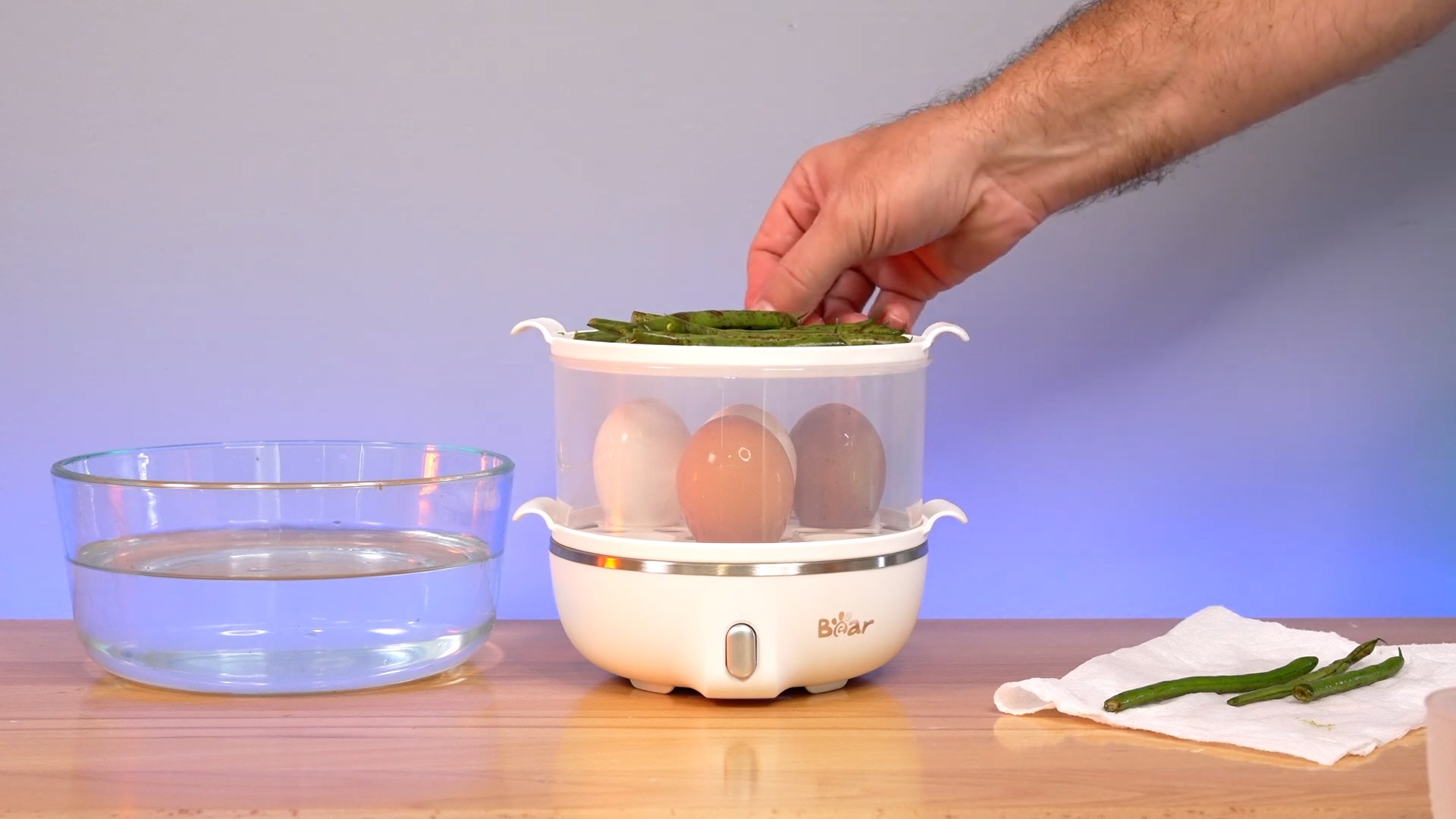
At its core, a mini egg cooker is a small, electric appliance designed to cook eggs with steam. Think of it as a personal egg-cooking assistant. Unlike traditional stovetop boiling, which requires constant attention, these devices use a precisely measured amount of water to create steam, cooking your eggs to perfection based on your desired doneness – from soft to hard-boiled. While the concept of a dedicated egg boiler isn’t entirely new, modern mini egg cooker models are more compact, efficient, and versatile than ever before, often featuring auto-shutoff functions and accessories for poaching or making mini omelets.
Why Go Mini? The Undeniable Benefits of a Compact Egg Cooker
Choosing a mini egg cooker isn’t just about cooking eggs; it’s about embracing convenience, consistency, and culinary precision. Here’s why these compact gadgets are winning hearts in kitchens worldwide:
- Space-Saving Champion: For anyone with limited counter space – be it a small apartment, a dorm room, or an RV – a mini egg cooker is a godsend. Its tiny footprint means it won’t clutter your kitchen, and it’s easily stored away when not in use.
- Perfect Consistency, Every Time: This is perhaps the biggest draw. No more guessing games! With a mini egg cooker, you add water according to the provided measuring cup for soft, medium, or hard-boiled eggs. The result is consistently cooked eggs, exactly to your preference, without fail.
- Time-Saving and Hands-Off: Pop in your eggs, add water, and press a button. That’s it! You’re free to get ready for your day, pack lunches, or enjoy a cup of coffee while your eggs cook themselves. Many models automatically shut off and beep when done, so there’s no need to babysit a boiling pot.
- Energy Efficiency: These small appliances typically use less energy than heating up a large pot of water on a stovetop, making them an eco-friendlier and more economical choice for daily egg consumption.
- Versatility Beyond Boiling: Many mini egg cooker models come with additional trays for poaching eggs or even making small omelets. This expands your breakfast and meal options significantly, all from one compact device.
- Safety Features: Automatic shut-off functions are standard, preventing overcooking and offering peace of mind. No more worrying about a forgotten pot boiling dry.
“As a professional chef, I’ve always valued precision and consistency. The humble mini egg cooker, often overlooked, delivers perfectly cooked eggs every single time, whether you need a soft yolk for ramen or a firm one for an egg salad. It’s a true unsung hero of the modern kitchen.” – Chef Antoine Dubois, Culinary Consultant and Author of “Effortless Eggs.”
Navigating the Options: Popular Types of Mini Egg Cookers
While the core function remains the same, mini egg cookers come in a few variations:
- Basic Boil-Only Models: These are designed primarily for boiling eggs and typically have a capacity of 1-3 eggs. They are the most affordable and simplest to use, perfect if you only need hard or soft-boiled eggs.
- Multi-functional Models: These are often slightly larger, accommodating 6-7 eggs, and include accessories like poaching trays and omelet bowls. Brands like Dash and Cuisinart offer excellent multi-functional options, allowing you to diversify your egg recipes with one appliance.
- Capacity Variations: Most mini egg cookers are designed for individuals or small families, ranging from single-egg capacity up to seven eggs. Consider your typical needs when choosing.
Your Step-by-Step Guide to Flawless Eggs with a Mini Egg Cooker
Using a mini egg cooker is incredibly straightforward, but a few simple steps ensure perfect results:
- Preparation is Key:
- Pierce the Eggs: Most mini egg cookers include a small piercing tool at the bottom of the measuring cup. Gently pierce the larger end of each egg. This helps prevent cracking during cooking by allowing steam to escape.
- Measure Water Precisely: Use the provided measuring cup. It will have lines indicating the amount of water needed for soft, medium, or hard-boiled eggs, typically corresponding to the number of eggs you are cooking. Precision here is crucial for your desired doneness.
- Load Your Eggs: Place the eggs onto the cooking tray, usually with the pierced end facing up.
- Add Water and Cook: Pour the measured water into the heating plate at the base of the cooker. Place the egg tray and then the lid securely on top. Plug in the appliance and press the power button. (For example, popular models like the Dash Rapid Mini Egg Cooker are known for their user-friendly design and quick operation.)
- Listen for the Beep: Your mini egg cooker will generate steam, cooking the eggs. Once the water has evaporated and the eggs are done, most models will automatically shut off and emit an audible alert.
- Cool Down (Optional but Recommended): For easier peeling and to stop the cooking process, immediately transfer cooked eggs to an ice bath or run them under cold water for a few minutes.
Traditional Boiling vs. The Mini Egg Cooker: A Head-to-Head Battle
If you’re still on the fence, let’s compare the classic stovetop method with the modern mini egg cooker:
| Feature | Traditional Stovetop Boiling | Mini Egg Cooker |
|---|---|---|
| Consistency | Highly variable; depends on pot size, water level, timing. | Extremely consistent; precise water measurement. |
| Effort | Requires attention, timing, monitoring to prevent boiling over. | Hands-off operation; set it and forget it. |
| Cleanup | Pot to wash, potential for egg bits sticking. | Removable tray and measuring cup; often non-stick heating plate. |
| Versatility | Primarily boiling. | Boiling, poaching, omelets (many models). |
| Safety | Risk of boiling dry if forgotten. | Automatic shut-off. |
| Space | Requires a pot and burner. | Compact footprint, dedicated appliance. |
The mini egg cooker clearly takes the lead for convenience and consistent results.
Pro Tips & Tricks for Egg-cellent Results
Want to elevate your mini egg cooker game? Try these expert tips:
- Start with Cold Eggs: While not strictly necessary, using eggs straight from the fridge often yields more consistent results and makes piercing easier.
- Don’t Skip the Piercing: That tiny hole is crucial! It allows internal pressure to escape, preventing the shell from cracking and often making eggs easier to peel.
- Ice Bath for Perfect Peeling: After your eggs are cooked, plunge them into an ice bath for 5-10 minutes. This rapidly cools the eggs, causing the membrane just beneath the shell to contract and separate, leading to incredibly easy peeling.
- Experiment with Doneness: The measuring cup provides guidelines, but feel free to slightly adjust the water level to fine-tune your perfect soft, medium, or hard-boiled egg.
- Season Before Poaching: If using the poaching tray, a tiny pinch of salt or pepper directly into the egg before cooking can add a lovely subtle flavor.
Keeping It Clean: Maintenance and Care for Your Mini Egg Cooker
Keeping your mini egg cooker in top shape is simple and ensures its longevity.
- Wash Removable Parts: The egg tray, poaching tray, and lid can typically be washed with warm, soapy water or are often dishwasher safe (check your manual).
- Clean the Heating Plate: Over time, mineral deposits from water can build up on the heating plate. To clean this, mix equal parts white vinegar and water, pour it onto the heating plate, and let it sit for 15-30 minutes. Gently scrub with a non-abrasive sponge, then rinse and wipe dry. Do this regularly to prevent excessive buildup.
- Wipe Down the Base: Use a damp cloth to wipe the exterior of the appliance. Never immerse the electrical base in water.
Beyond Breakfast: Delicious Dishes You Can Make with Your Mini Egg Cooker
The versatility of a mini egg cooker extends far beyond a simple boiled breakfast. Here are just a few ideas:
- Deviled Eggs: Perfect hard-boiled eggs are the foundation for this classic appetizer.
- Egg Salad Sandwiches: A batch of consistently cooked hard-boiled eggs is ideal for a creamy egg salad.
- Ramen Topping: A perfectly soft-boiled egg with a jammy yolk adds richness and protein to any bowl of ramen or noodle soup.
- Salad Boost: Slice or chop hard-boiled eggs into green salads, Cobb salads, or niçoise salads for an extra protein punch.
- Grab-and-Go Snacks: Keep a batch of hard-boiled eggs in the fridge for a healthy, protein-packed snack anytime.
- Mini Omelets/Frittatas: If your mini egg cooker has an omelet tray, you can quickly whip up single-serving, fluffy omelets with your favorite fillings.
Choosing Your Perfect Mini Egg Cooker: A Buyer’s Checklist
Ready to invest in your own mini egg cooker? Consider these points:
- Capacity: How many eggs do you typically need to cook at once? Models range from 1 to 7 eggs.
- Features: Do you just need to boil, or do you want poaching and omelet capabilities? Auto-shutoff and an audible alert are highly recommended.
- Ease of Cleaning: Look for models with removable, dishwasher-safe parts and an easy-to-clean heating plate.
- Footprint: Measure your available counter space to ensure the mini egg cooker will fit comfortably.
- Brand Reputation: Stick with reputable brands known for kitchen appliances for better quality and customer support.
Frequently Asked Questions (FAQ)
How much water do I put in a mini egg cooker?
The amount of water depends on your desired egg doneness (soft, medium, or hard-boiled) and the number of eggs. Always use the specific measuring cup provided with your mini egg cooker and follow its markings.
How long does it take to cook eggs in a mini egg cooker?
Cooking times vary slightly by model and desired doneness. Generally, soft-boiled eggs take 6-8 minutes, medium-boiled 9-12 minutes, and hard-boiled eggs 12-16 minutes. The process is fully automated, so you don’t need to time it manually.
Can you make poached eggs in a mini egg cooker?
Many multi-functional mini egg cooker models come with a dedicated poaching tray. You simply crack eggs into the tray, add water to the heating plate as directed, and cook. The result is perfectly poached eggs without the fuss of stovetop methods.
Is a mini egg cooker worth buying for just one person?
Absolutely! A mini egg cooker is incredibly convenient for single servings, guaranteeing perfect results every time without heating up a large pot. It’s a game-changer for quick, healthy breakfasts and meal prep.
How do I clean the heating plate on my mini egg cooker?
Mineral deposits can accumulate on the heating plate. To clean, pour a mixture of equal parts white vinegar and water onto the plate, let it sit for 15-30 minutes, then gently scrub with a non-abrasive sponge and rinse.
Conclusion
The mini egg cooker, though unassuming in its size, is a powerful ally in the modern kitchen. It simplifies the art of cooking eggs, delivering consistent, perfectly cooked results with minimal effort. From its space-saving design and energy efficiency to its versatile functions and foolproof operation, this compact appliance truly enhances daily meal routines. If you’re tired of inconsistent eggs or simply want to reclaim your stovetop and time, investing in a high-quality mini egg cooker is a decision you won’t regret. It’s more than just an appliance; it’s an invitation to enjoy perfect eggs, your way, every single day.