Are you tired of the age-old struggle to achieve that elusive perfectly cooked egg? Whether it’s undercooked whites, rubbery yolks, or shells that cling stubbornly, making perfect boiled eggs often feels more like a gamble than a culinary skill. But what if I told you there’s a kitchen marvel designed to eliminate all that guesswork, consistently delivering the Perfect Egg Cooker experience every single time? As someone with over 15 years in the kitchen appliance industry, I’ve seen trends come and go, but the rise of the electric egg cooker is a testament to its genuine utility and the simple joy it brings to breakfast tables worldwide. This isn’t just another gadget; it’s a dedicated solution for busy mornings, meal preppers, and anyone who appreciates the consistent quality of a perfectly cooked egg.
Why a Perfect Egg Cooker is a Game-Changer
Forget standing over a boiling pot, timing furiously, and hoping for the best. A truly perfect egg cooker transforms the process into a set-it-and-forget-it affair.
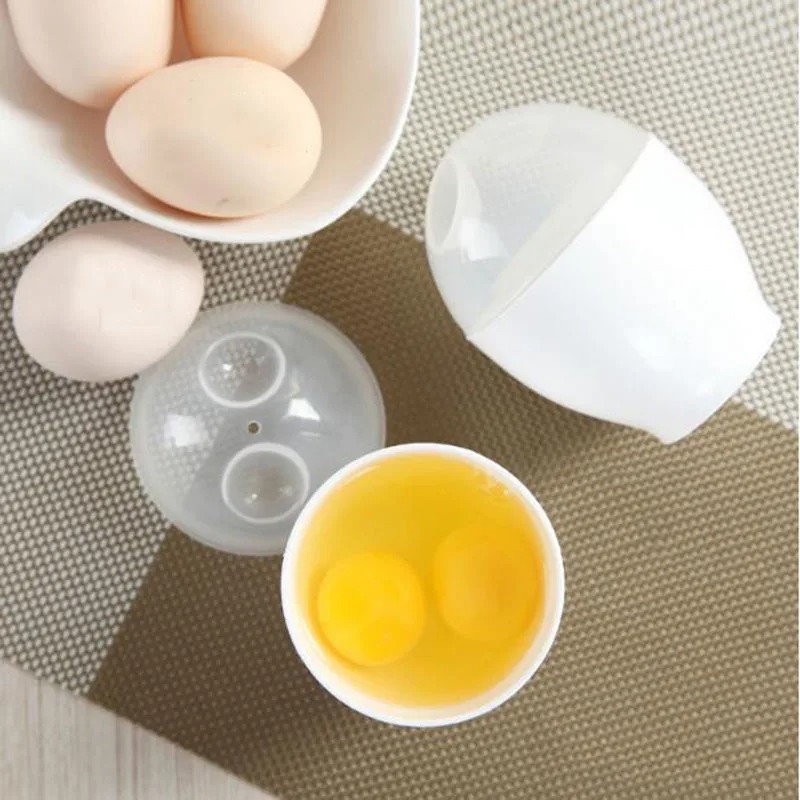
Consistent Results, Every Single Time
This is arguably the biggest selling point. The precise water measurement and steaming method employed by these devices mean you get your desired doneness – soft, medium, or hard-boiled – with unparalleled accuracy. No more green rings around your hard-boiled yolks or runny whites when you craved a firm texture. This consistency is what truly defines a perfect egg cooker.
Time-Saving Convenience
In today’s fast-paced world, every minute counts. An egg cooker allows you to prepare eggs hands-free while you focus on other morning routines. Just add water, place your eggs, and let the appliance do the work. The automatic shut-off and audible alerts mean you don’t need to babysit a boiling pot.
Beyond Just Boiling: Versatility Unlocked
Many modern egg cookers are far more than just “boilers.” They often come with trays for poaching, scrambling, and even making miniature omelets. This multi-functionality extends their value, making them a worthwhile addition to any kitchen seeking efficiency and variety.
Understanding Your Options: Types of Egg Cookers
While the market offers several approaches to cooking eggs, for consistent and effortless results, electric automatic egg cookers are the undisputed champions.
Electric Automatic Egg Cookers
These are the stars of the show when it comes to finding the perfect egg cooker. They use steam to cook eggs evenly, with a heating plate and a water reservoir. By carefully measuring the water, you can control the level of doneness. Most feature an automatic shut-off once the water has evaporated or the cooking cycle is complete, often accompanied by an audible alarm.
Poachers and Omelet Makers
Often, these functionalities are integrated into electric automatic egg cookers. Dedicated poaching trays allow you to steam perfect poached eggs without the hassle of a stovetop water bath. Omelet trays let you create fluffy, individual omelets or scrambled eggs with ease.
Microwave Egg Cookers (Brief Mention)
While they exist and are typically very inexpensive, microwave egg cookers offer less control over doneness and can be prone to uneven cooking or even exploding eggs if not used correctly. For a truly perfect result, we recommend sticking to electric models.
Key Features to Look for in Your Perfect Egg Cooker
When scouting for your ideal egg cooker, keep these essential features in mind:
- Capacity & Design: Consider how many eggs you typically cook. Models range from 1-2 eggs for singles to 7-10 eggs for families or meal prep. A compact design is always a plus for smaller kitchens.
- Automatic Shut-Off & Audible Alert: These are non-negotiable for convenience and safety. They signal when your eggs are ready, preventing overcooking and giving you peace of mind.
- Multi-Functional Trays (Poaching, Omelets): If you enjoy more than just boiled eggs, look for models that include these versatile attachments.
- Precise Water Measurement Cup & Piercing Pin: The included water measuring cup is crucial for accurate cooking, often marked for soft, medium, and hard-boiled. The piercing pin (usually on the bottom of the cup) helps prevent cracking during cooking by relieving internal pressure.
- Material Quality & Easy Cleaning: Look for BPA-free plastics and stainless steel components. Removable trays and lids that are dishwasher-safe or easy to hand-wash simplify cleanup, making your perfect egg cooker even more user-friendly.
How to Achieve Perfection: Using Your Egg Cooker
Using an egg cooker is incredibly straightforward, designed for simplicity and efficiency. Here’s a step-by-step guide:
- Measure Water Accurately: Use the provided measuring cup. The markings typically indicate the amount of water needed for soft, medium, or hard-boiled eggs, based on the number of eggs you’re cooking. Pour the water directly onto the heating plate.
- Prepare Your Eggs: Gently pierce the larger end of each egg with the piercing pin located on the bottom of the measuring cup. This tiny hole helps prevent the shell from cracking during the steaming process by allowing steam to escape.
- Load the Cooker: Place your eggs, pierced-side up, into the egg tray. If using for poaching or omelets, prepare those trays according to the instructions.
- Set and Forget: Place the lid securely on the cooker and plug it in. Most models have a simple on/off switch or indicator light.
- Cooling Down for Optimal Peeling: Once the alarm sounds and the cooker shuts off, immediately transfer the cooked eggs to a bowl of ice water. This “ice bath” halts the cooking process, creates a slight contraction, and makes the eggs significantly easier to peel. This step is vital for that truly perfect egg cooker result.
Our Picks for the Best Egg Cooker in 2026
As an Amazon Associate I earn from qualifying purchases.
Num
Product
Action
1
Elite Gourmet EGC115B Easy Egg Cooker Electric 7-Egg Capacity, Soft, Medium, Hard-Boiled Egg Cooker with Auto Shut-Off, Measuring Cup Included, BPA Free, Classic Black

2
Elite Gourmet EGC-007B# Rapid Egg Cooker, 7 Easy-To-Peel, Hard, Medium, Soft Boiled Eggs, Poacher, Omelet Maker, Auto Shut-Off, Alarm, 16-Recipe Booklet, Black
3
Hard Boiled Egg Cooker - CACHOO 14-Egg Rapid Stainless Steel Egg Boiler with 30-Min Timer & Auto Shut Off, Compact Electric Vegetable Steamer for Cooking, Dishwasher Safe, Black
4
Elite Gourmet EGC1215B Easy Egg Cooker, Stainless-steel Heating Plate, Two-Tiered, 14-Egg Capacity, Soft, Medium, Hard-Boiled, Auto Shut-Off, Omelets, Poached Eggs, Measuring Cup, Piercing Pin, Black
5
DASH Electric Rapid Egg Cooker for Hard Boiled/Poached/Scrambled Eggs or Omelets with Auto Shut-Off Feature, Black, 7 Egg Capacity
6
Evoloop Rapid Egg Cooker Electric 6 Eggs Capacity, Soft, Medium, Hard Boiled, Poacher, Omelet Maker Egg Poacher With Auto Shut-Off, BPA Free
7
Smart Fried Egg Cooker, Automatic Fried Egg Maker for 6 Features like Sunny Side Up, Over Easy, Fully Cooked & More. Auto Power Off, Alarm, Round Shape, Non Stick Coating
8
Evoloop Rapid Egg Cooker Electric 6 Eggs Capacity, Soft, Medium, Hard Boiled, Poacher, Omelet Maker Egg Poacher With Auto Shut-Off, BPA Free
9
Elite Gourmet EGC115M Easy Egg Cooker Electric 7-Egg Capacity, Soft, Medium, Hard-Boiled Egg Cooker with Auto Shut-Off, Measuring Cup Included, BPA Free, Retro Mint
10
Dash Rapid Egg Cooker - Boiler, Poacher & Steamer - Includes Measuring & Recipe Guide - Dishwasher Safe - Holds 7 Eggs, Aqua
|
Our Picks for the Best Egg Cooker in 2026
As an Amazon Associate I earn from qualifying purchases.
|
||
| Num | Product | Action |
|---|---|---|
| 1 | Elite Gourmet EGC115B Easy Egg Cooker Electric 7-Egg Capacity, Soft, Medium, Hard-Boiled Egg Cooker with Auto Shut-Off, Measuring Cup Included, BPA Free, Classic Black |
|
| 2 | Elite Gourmet EGC-007B# Rapid Egg Cooker, 7 Easy-To-Peel, Hard, Medium, Soft Boiled Eggs, Poacher, Omelet Maker, Auto Shut-Off, Alarm, 16-Recipe Booklet, Black |
|
| 3 | Hard Boiled Egg Cooker - CACHOO 14-Egg Rapid Stainless Steel Egg Boiler with 30-Min Timer & Auto Shut Off, Compact Electric Vegetable Steamer for Cooking, Dishwasher Safe, Black |
|
| 4 | Elite Gourmet EGC1215B Easy Egg Cooker, Stainless-steel Heating Plate, Two-Tiered, 14-Egg Capacity, Soft, Medium, Hard-Boiled, Auto Shut-Off, Omelets, Poached Eggs, Measuring Cup, Piercing Pin, Black |
|
| 5 | DASH Electric Rapid Egg Cooker for Hard Boiled/Poached/Scrambled Eggs or Omelets with Auto Shut-Off Feature, Black, 7 Egg Capacity |
|
| 6 | Evoloop Rapid Egg Cooker Electric 6 Eggs Capacity, Soft, Medium, Hard Boiled, Poacher, Omelet Maker Egg Poacher With Auto Shut-Off, BPA Free |
|
| 7 | Smart Fried Egg Cooker, Automatic Fried Egg Maker for 6 Features like Sunny Side Up, Over Easy, Fully Cooked & More. Auto Power Off, Alarm, Round Shape, Non Stick Coating |
|
| 8 | Evoloop Rapid Egg Cooker Electric 6 Eggs Capacity, Soft, Medium, Hard Boiled, Poacher, Omelet Maker Egg Poacher With Auto Shut-Off, BPA Free |
|
| 9 | Elite Gourmet EGC115M Easy Egg Cooker Electric 7-Egg Capacity, Soft, Medium, Hard-Boiled Egg Cooker with Auto Shut-Off, Measuring Cup Included, BPA Free, Retro Mint |
|
| 10 | Dash Rapid Egg Cooker - Boiler, Poacher & Steamer - Includes Measuring & Recipe Guide - Dishwasher Safe - Holds 7 Eggs, Aqua |
|
Traditional vs. Egg Cooker: The Battle for the Perfect Egg
For decades, the stovetop pot was the only way. But how does it stack up against a dedicated egg cooker?
- Consistency & Control: The egg cooker wins hands down. With precise water measurement, you get the exact doneness you want, every single time. Stovetop boiling involves more variables, making consistent results harder to achieve.
- Ease of Use & Hands-Free Operation: An egg cooker offers true set-it-and-forget-it convenience. You don’t need to monitor a pot or worry about boil-overs.
- Energy Efficiency: Egg cookers typically use less water and energy than boiling a large pot of water on a stovetop, especially for smaller batches of eggs.
- Peeling Prowess: While the freshness of the egg plays a role, the steaming method of an egg cooker, combined with an immediate ice bath, often leads to much easier peeling compared to traditionally boiled eggs. “I used to dread peeling hard-boiled eggs,” says Chef Julian Thorne, a long-time culinary gadget specialist. “But with my egg cooker, it’s a breeze. The steam seems to make all the difference.”
Expert Tips for the Ultimate Egg Experience
Even with the perfect egg cooker, a few insider tips can elevate your egg game.
- The Fresher, The Harder to Peel? It’s true! Very fresh eggs tend to stick to their shells. For easier peeling, use eggs that are a few days old, or ensure a proper ice bath after cooking.
- Cold Water Bath for Easy Peeling: As mentioned, this step is crucial. Shocking the eggs in ice water immediately after cooking helps the membrane separate from the egg white, making peeling effortless.
- Don’t Overfill: Stick to the recommended capacity for your specific model to ensure even cooking and proper steam distribution.
- Regular Descaling: Mineral deposits from tap water can build up on the heating plate. Descale your egg cooker regularly with a vinegar solution (a mix of equal parts white vinegar and water) to maintain efficiency and longevity.
Beyond Breakfast: Creative Recipes with Your Egg Cooker
The versatility of the perfect egg cooker extends far beyond your morning routine.
- Egg Salad Sandwich Perfection: Create perfectly firm hard-boiled eggs for the creamiest, most satisfying egg salad.
- Deviled Eggs Made Easy: Flawlessly cooked and easy-to-peel eggs are the foundation of outstanding deviled eggs, perfect for parties and potlucks.
- Quick Egg Drop Soup: Poached eggs from your cooker can be a quick and healthy addition to a comforting egg drop soup.
- Protein Boost for Salads: Effortlessly add sliced hard-boiled eggs to green salads, Cobb salads, or even pasta salads for a nutritious protein kick.
Maintaining Your Investment: Care and Cleaning
A well-maintained egg cooker will serve you faithfully for years.
- Daily Wipe-Down: After each use, allow the heating plate to cool, then wipe it clean with a damp cloth to remove any residue.
- Descaling for Longevity: Depending on your water hardness, aim to descale your egg cooker every 1-2 months. Fill the water reservoir with a 50/50 mixture of white vinegar and water, let it sit for 15-30 minutes (do not heat), then scrub gently and rinse thoroughly. This keeps the heating element efficient and extends the life of your appliance.
FAQ: Your Burning Questions About Egg Cookers Answered
Q: Do I really need to pierce my eggs?
A: Yes, piercing the large end of the egg with the provided pin is highly recommended. It prevents cracking during the steaming process by allowing internal pressure to escape, leading to beautifully intact eggs.
Q: How much water should I use for soft, medium, or hard-boiled eggs?
A: The amount of water varies by model and desired doneness. Always use the measuring cup that comes with your specific perfect egg cooker, as it will have precise markings for soft, medium, and hard-boiled eggs based on the number of eggs you’re cooking.
Q: Are egg cookers safe to use?
A: Absolutely! Electric egg cookers are designed with safety in mind. Most feature automatic shut-off functions and indicator lights. They eliminate the need for a hot stovetop pot of boiling water, reducing the risk of burns or boil-overs.
Q: Can I cook other things in an egg cooker?
A: Many multi-functional egg cookers come with attachments for poaching eggs, making small omelets, or even scrambling eggs directly in the unit. Some can even be used to steam small vegetables. Always check your model’s specific capabilities.
Q: How often should I descale my egg cooker?
A: The frequency of descaling depends on how often you use your cooker and the hardness of your tap water. A good rule of thumb is to descale every 1-2 months or when you notice mineral buildup (white, chalky residue) on the heating plate.
Conclusion
The quest for the perfect egg cooker isn’t just about finding another kitchen gadget; it’s about investing in convenience, consistency, and culinary confidence. From perfectly soft-boiled breakfast eggs to hard-boiled additions for salads and deviled eggs, this humble appliance delivers exceptional results with minimal effort. It simplifies meal prep, saves time, and consistently provides nutritious, perfectly cooked eggs without the usual stovetop drama. If you’re looking to elevate your egg game and embrace a smarter way to cook, a high-quality electric egg cooker is an invaluable addition to your kitchen arsenal. Embrace the ease, enjoy the perfection, and discover a world where every egg is cooked just right.