Imagine a perfectly formed poached egg: tender, bright white encasing a warm, golden yolk that effortlessly cascades onto your plate with the slightest touch. For many, this culinary dream remains just that – a dream, often marred by wispy whites, broken yolks, and a messy stovetop. But what if I told you that achieving this breakfast nirvana is easier than ever with the right Poached Egg Cooker?
As someone who’s spent over 15 years immersed in kitchen appliance technology, especially when it comes to revolutionizing daily cooking, I’ve witnessed firsthand the evolution of the humble egg cooker. Gone are the days of tedious swirling water and delicate egg handling. Modern poached egg cookers have transformed the process, making consistent, restaurant-quality poached eggs an everyday reality for home cooks and seasoned chefs alike. Let’s dive into how this clever gadget can elevate your morning routine and expand your culinary horizons.
The Poached Egg Cooker Revolution: A Brief History and Overview
For centuries, poaching an egg was considered a delicate art, a test of a chef’s skill. The traditional method involves carefully dropping an egg into simmering water, hoping its whites would coagulate neatly around the yolk without spreading into a messy cloud. It was a beautiful process when successful, but often frustrating.
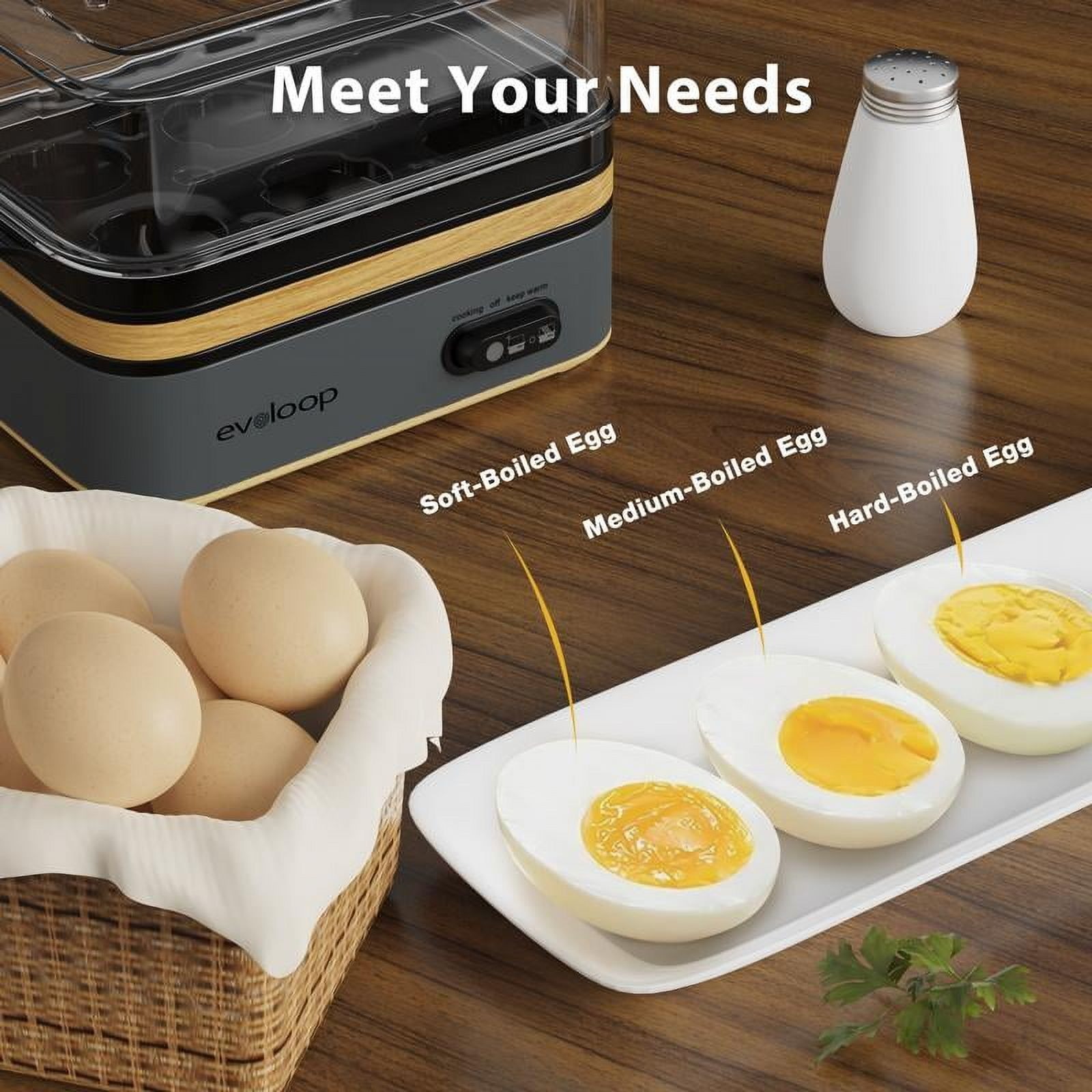
The need for a simpler, more consistent method paved the way for the poached egg cooker. These ingenious devices streamline the process, taking the guesswork out of achieving that delicate balance of a set white and a runny yolk. Why do we love poached eggs so much? They’re a light, healthy alternative to fried or scrambled eggs, requiring no added fats or oils. Their silky texture and rich flavor pair wonderfully with everything from avocado toast to a hearty salad, instantly upgrading any meal to gourmet status.
Discovering Your Ideal Poached Egg Cooker: Types and Features
The market today offers a diverse range of poached egg cooker options, each designed to cater to different kitchen setups and culinary preferences. Understanding these varieties is the first step to finding your perfect poaching partner.
Electric Poached Egg Cookers: Convenience and Precision
These countertop wonders are perhaps the most user-friendly. Electric poached egg cookers feature a heating element, a water reservoir, and a poaching tray with individual cups. They often come with built-in timers and precise temperature controls, ensuring your eggs are cooked to perfection with minimal effort. Many models are multi-functional, capable of boiling, scrambling, and even steaming vegetables, making them a versatile addition to any kitchen. They’re a fantastic choice for those who value consistency and a hands-off approach.
Stovetop Poacher Pans: Classic Multi-Egg Solutions
A more traditional take, stovetop poacher pans typically consist of a saucepan with a removable insert holding several non-stick cups. You add water to the pan, place the insert with cracked eggs over the simmering water, and cover it. The eggs cook gently by steam. These are excellent for making multiple poached eggs simultaneously and are compatible with various cooktops. Look for models with clear glass lids so you can monitor your eggs without releasing steam.
Microwave Poached Egg Cookers: Speed for Busy Mornings
For those truly pressed for time, a microwave poached egg cooker is a game-changer. These compact devices allow you to crack an egg (or two) into a cup, add a touch of water, and microwave for just a minute or two. While incredibly fast and easy to clean, consistency can sometimes be a bit more challenging due to microwave power variations. Remember to pierce the yolk for safety to prevent explosions!
Silicone Poaching Pods: Closer to Traditional, Flexible Design
Silicone poaching pods are individual cups that float in a pot of simmering water. They contain the egg, helping it maintain a perfect round shape while still cooking directly in the steam from the water. They’re flexible, easy to store, and often dishwasher-safe. Some might argue that the eggs cooked in these are technically “coddled” rather than purely “poached” because they don’t fully touch the water, but the results are undeniably delicious and beautifully shaped.
What to Look for: Capacity, Material, Controls, Cleaning
When selecting your poached egg cooker, consider these key features:
- Capacity: How many eggs do you typically need to poach at once? Models range from single-egg poachers to those handling six or more.
- Material: Stainless steel offers durability, while non-stick coatings and silicone ensure easy release and cleaning.
- Controls: Look for clear instructions, precise timers, and temperature settings for consistent results.
- Cleaning: Dishwasher-safe components or easy-wipe non-stick surfaces will save you time and effort.
Poached Eggs: The Ultimate How-To Guide for Your Cooker
No matter which type of poached egg cooker you choose, the basic principles remain similar. Here’s a general guide to help you achieve perfect poached eggs every time.
Step-by-Step Instructions:
- Prepare Your Cooker: For stovetop or silicone poachers, fill the pan with water, ensuring it just reaches the bottom of your poaching cups or pods. For electric models, use the provided measuring cup to add the recommended amount of water to the heating plate. Always grease your poaching cups or tray with a light spray of non-stick oil to ensure easy release.
- Crack Your Eggs: Gently crack one fresh egg into each prepared poaching cup. “Fresh eggs are paramount,” advises Chef Evelyn Reed, a renowned culinary consultant. “Their whites are tighter and less likely to spread, giving you that beautiful, compact poached egg.”
- Position and Cover: Place the egg-filled cups into your stovetop pan or electric cooker. Secure the lid tightly. For microwave poachers, cover the unit.
- Cook to Perfection:
- Stovetop: Bring the water to a gentle simmer (small bubbles, not a rolling boil). Cook for 2-4 minutes, depending on your desired yolk consistency.
- Electric: Set the timer according to your cooker’s instructions, typically 6-8 minutes for a perfectly poached egg. The cooker will often alert you when done.
- Microwave: Cook in 30-second intervals until the whites are set and the yolk is to your liking, usually 1-2 minutes total. Remember to pierce the yolk first!
- Serve Immediately: Carefully remove the eggs from the cooker, allowing any excess water to drain. A small, non-stick spatula is ideal for this. Slide them onto your plate and enjoy!
The Great Debate: Poached Egg Cooker vs. Traditional Poaching
For the purists, the traditional method of poaching in a swirling pot of water is the only way. And indeed, a truly masterfully poached egg from a direct water bath can have an unparalleled delicate texture. However, the learning curve is steep, and consistency is hard to achieve without significant practice. You often contend with wispy whites, broken yolks, and a messy pot.
This is where the poached egg cooker shines. It eliminates the fuss and guarantees a compact, uniform shape. While some argue the texture might be slightly firmer or “coddled” due to the contained cooking space, the convenience, consistency, and sheer ease of use often outweigh this subtle difference for most home cooks. For busy mornings or feeding a crowd, a poached egg cooker is an undeniable winner.
Achieving Poached Egg Perfection: Tips, Tricks, and Troubleshooting
Even with a dedicated poached egg cooker, a few expert tips can help you elevate your results:
- Freshness Matters: Always use the freshest eggs you can find. Fresher eggs have thicker whites that hold their shape better, leading to a perfectly compact poached egg.
- Room Temperature Eggs: Allow your eggs to come to room temperature before poaching. Cold eggs can sometimes cook unevenly or crack.
- Doneness is Personal:
- Soft Poached: Whites just set, yolk very runny (approx. 2-3 mins stovetop, 6 mins electric).
- Medium Poached: Whites fully set, yolk warm and gooey (approx. 3-4 mins stovetop, 7 mins electric).
- Firm Poached: Whites firm, yolk mostly set but still creamy (approx. 5 mins stovetop, 8 mins electric).
- Prevent Sticking: A thin layer of cooking spray or butter in the poaching cups is your best friend.
- Don’t Overfill Water: Too much water can lead to longer cooking times and a less effective steaming process. Follow your cooker’s guidelines.
- Drain Well: Before plating, ensure you gently drain any excess water from the bottom of the eggs to prevent a soggy meal.
Caring for Your Poached Egg Cooker: Maintenance and Cleaning
Proper care ensures your poached egg cooker remains a valuable kitchen asset for years to come. Most poaching cups and trays are made with non-stick coatings or silicone, making cleanup relatively straightforward.
- Immediately After Use: Allow the unit to cool. Wash poaching cups and trays with warm, soapy water. Many are dishwasher-safe, but always check the manufacturer’s instructions.
- Prevent Mineral Buildup: For electric models, scale can build up on the heating plate over time due to water minerals. A simple solution of vinegar and water, allowed to sit or gently heated, can effectively remove this. Rinse thoroughly.
- Avoid Abrasives: Harsh scrubbers or abrasive cleaners can damage non-stick surfaces. Stick to soft sponges or cloths.
Beyond Breakfast: The Versatility and Benefits of Your Poached Egg Cooker
While a poached egg cooker excels at breakfast, its benefits extend far beyond the morning meal.
- Health Benefits: As mentioned, poaching requires no oil or butter, making it one of the healthiest ways to prepare eggs. This means fewer calories and less fat, perfect for a clean diet.
- Time-Saving: The automated or semi-automated nature of these cookers frees you up to prepare other elements of your meal, making busy weeknight dinners or brunch entertaining a breeze.
- Culinary Inspiration: With perfectly poached eggs always within reach, you’ll find yourself experimenting more. Think vibrant salads topped with a runny yolk, nourishing ramen bowls, classic Eggs Benedict, or even gourmet avocado toast. The possibilities are endless!
Frequently Asked Questions about Poached Egg Cookers
Q: Are eggs from a poacher truly “poached”?
A: Technically, eggs cooked in cups via steam are often referred to as “coddled” or “steamed” rather than traditionally poached, which involves direct water contact. However, for most home cooks, the result is so similar and desirable that the term “poached egg cooker” is widely accepted.
Q: Can I use older eggs in a poached egg cooker?
A: While you can, fresh eggs always yield the best results. Older eggs have thinner whites that tend to spread more, even in a poacher cup, potentially leading to less aesthetically pleasing or firmer-textured whites.
Q: How do I clean stuck-on egg from the cups?
A: Prevention is key! Always grease your cups thoroughly. If egg does stick, soak the cups in warm, soapy water for 10-15 minutes, then gently scrub with a soft sponge. Avoid metal scouring pads.
Q: What’s the best type of poached egg cooker for a single serving?
A: Microwave poached egg cookers or individual silicone poaching pods are excellent for single servings due to their small footprint and quick cooking times.
Q: Do I need to add vinegar to the water in my poached egg cooker?
A: No, for most poached egg cookers, particularly electric or stovetop models with cups, vinegar is unnecessary. The cups contain the egg white, preventing it from spreading, which is the primary reason vinegar is used in traditional poaching.
The Poached Egg Cooker: Your Kitchen’s Next Essential
From my extensive experience in kitchen appliances, a poached egg cooker is more than just a gadget; it’s an investment in culinary convenience and consistent quality. It democratizes the art of poaching, transforming a once daunting task into a simple pleasure. Whether you’re a busy professional, a home chef exploring new techniques, or simply someone who loves a perfectly cooked egg, adding a reliable poached egg cooker to your kitchen arsenal will undoubtedly enhance your daily meals and bring a touch of gourmet elegance to your table. So go ahead, upgrade your breakfast, streamline your cooking, and join the community of savvy home cooks who’ve mastered the art of the perfect poached egg, effortlessly!