Waking up to the aroma of freshly cooked scrambled eggs is a dream for many, but the reality of a busy morning often makes that dream feel out of reach. Between brewing coffee, getting ready, and wrangling the day’s schedule, standing over a hot stove to perfectly scramble eggs can seem like a luxury you just don’t have. Enter the Scrambled Egg Cooker, a clever kitchen gadget designed to revolutionize your breakfast routine, promising fluffy eggs with minimal effort and maximum speed. This isn’t just about saving time; it’s about bringing consistent, delicious, and healthy scrambled eggs within everyone’s grasp.
What is a Scrambled Egg Cooker and How Does It Work?
At its core, a scrambled egg cooker is a specialized appliance crafted to simplify one of breakfast’s most beloved staples. While many people associate egg cookers primarily with hard-boiled or poached eggs, a growing number of models are expertly designed to deliver perfectly cooked scrambled eggs, transforming them from a stovetop chore into a hands-off delight.
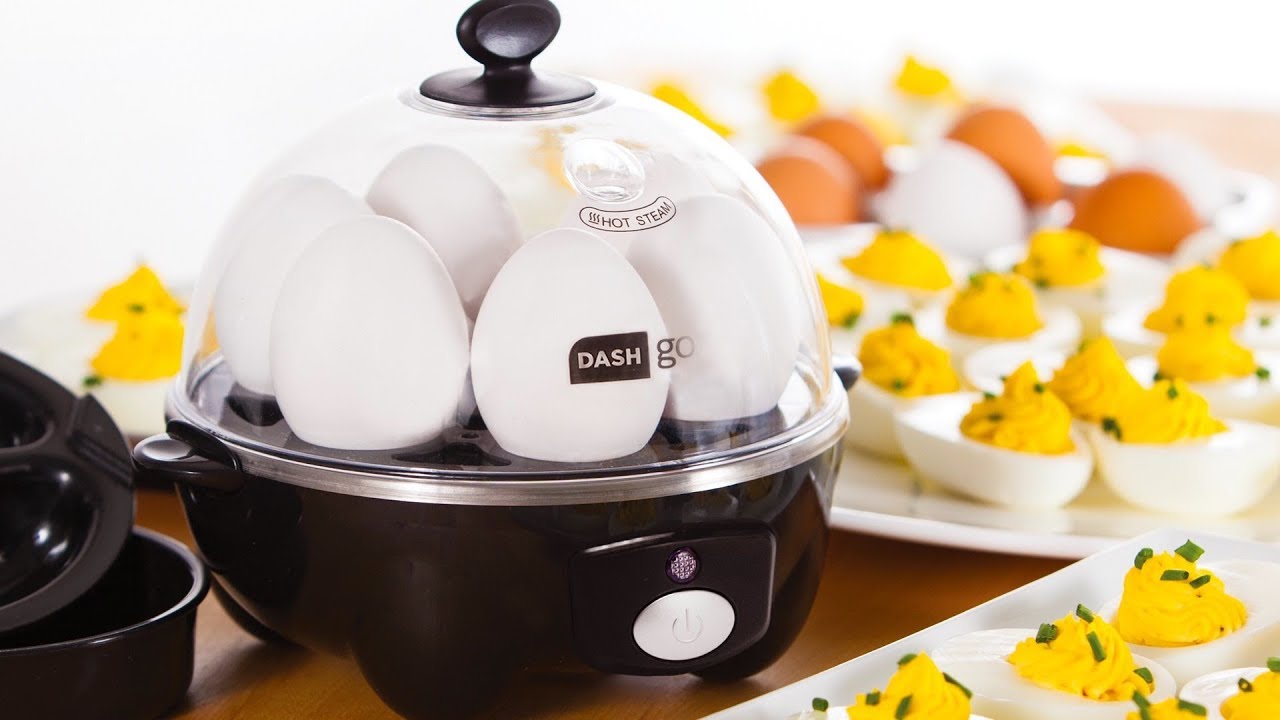
These innovative devices generally fall into two main categories: electric and microwave models. Electric scrambled egg cookers typically feature a heating plate at the base that boils a measured amount of water, producing steam. Whisked eggs are poured into a non-stick tray or cup that sits above this steaming water, allowing the gentle, even heat to cook them to a tender consistency. The steam environment is key to their operation, ensuring the eggs cook thoroughly without direct contact with a hot surface, often preventing scorching.
Microwave scrambled egg cookers, on the other hand, are usually ceramic or BPA-free plastic containers specifically shaped for egg preparation. You whisk your eggs directly in the container, perhaps add a splash of milk or some mix-ins, then pop it into the microwave. The microwave’s energy cooks the eggs quickly, often requiring short bursts and a quick stir to achieve that ideal fluffy texture. Both types aim to remove the guesswork and constant attention traditionally required, leaving you with delicious scrambled eggs effortlessly.
Types of Scrambled Egg Cookers for Your Kitchen
The market offers a diverse range of scrambled egg cookers, each with unique advantages tailored to different kitchen needs and preferences. Understanding these types can help you choose the perfect fit for your breakfast aspirations.
Electric Multi-Function Egg Cookers
These are often the most versatile, capable of more than just scrambling. Brands like Dash, Cuisinart, and Hamilton Beach offer models that can hard-boil, soft-boil, poach, and make omelets, in addition to scrambling eggs. For scrambling, these devices typically include a dedicated non-stick tray or bowl where whisked eggs are placed. The eggs are then cooked by the steam generated from the base. They often come with auto shut-off features and an audible buzzer, signaling when your eggs are perfectly done. Their appeal lies in their multi-purpose functionality, making them a true all-in-one breakfast station.
Dedicated Microwave Scrambled Egg Makers
If speed and simplicity are your top priorities, microwave scrambled egg cookers are excellent. These are typically smaller, individual-serving containers made from ceramic or microwave-safe plastic. You whisk eggs directly in the container, add any desired ingredients, and microwave in short intervals, stirring in between. They excel at making quick, single servings, ideal for dorm rooms, offices, or anyone needing breakfast in a flash. “As Chef Julian Vance, a culinary innovation specialist, always says, ‘The beauty of a scrambled egg cooker isn’t just speed, it’s about consistency, especially on those hectic mornings when perfection feels out of reach.'”
Egg Bite Makers
While not exclusively for scrambled eggs, many modern egg bite makers, often from brands like Dash, use a similar principle of steam cooking to create individual, perfectly portioned egg bites. These can be considered a sophisticated cousin of the scrambled egg cooker, allowing you to add cheese, vegetables, and meats for savory, grab-and-go breakfast options with a texture akin to fluffy scrambled eggs.
Mastering Your Scrambled Egg Cooker: A Step-by-Step Guide
Getting perfect scrambled eggs from your cooker is straightforward once you know the ropes. Here’s a general guide, adaptable for most models:
- Preparation is Key: Start by cracking your eggs into a separate bowl. Whisk them thoroughly until the yolks and whites are fully combined and slightly frothy. This aeration helps create a fluffier texture.
- Season and Personalize: Add a pinch of salt and pepper. This is also the stage to mix in any additional ingredients like a splash of milk or cream for extra tenderness, shredded cheese, finely diced vegetables (onions, bell peppers), or cooked crumbled bacon.
- For Electric Cookers:
- Using the provided measuring cup, add the recommended amount of water to the heating plate at the base of the cooker. The water level is crucial for determining the cooking time and consistency.
- Place the scrambling or omelet tray onto the base, ensuring it’s properly seated.
- Pour your whisked egg mixture into the tray. Do not overfill.
- Cover the cooker with its lid.
- Turn on the appliance. Most electric cookers will automatically shut off or beep when the eggs are done.
- For Microwave Cookers:
- Pour your whisked and seasoned egg mixture into the microwave-safe container. Again, avoid overfilling.
- If the container has a lid, secure it, ensuring any vents are open if specified by the manufacturer.
- Microwave on high for 30-60 seconds.
- Remove, stir the eggs thoroughly with a fork, and return to the microwave for another 15-30 seconds, or until cooked to your desired consistency. Stirring during cooking is vital for an even scramble and fluffy texture.
- Serve Immediately: Once cooked, carefully remove the eggs (using oven mitts if the container is hot) and transfer them to your plate. Enjoy!
|
Our Picks for the Best Egg Cooker in 2026
As an Amazon Associate I earn from qualifying purchases.
|
||
| Num | Product | Action |
|---|---|---|
| 1 | Evoloop Rapid Egg Cooker Electric 6 Eggs Capacity, Soft, Medium, Hard Boiled, Poacher, Omelet Maker Egg Poacher With Auto Shut-Off, BPA Free |

|
| 2 | Elite Gourmet EGC115M Easy Egg Cooker Electric 7-Egg Capacity, Soft, Medium, Hard-Boiled Egg Cooker with Auto Shut-Off, Measuring Cup Included, BPA Free, Retro Mint |
|
| 3 | Dash Rapid Egg Cooker - Boiler, Poacher & Steamer - Includes Measuring & Recipe Guide - Dishwasher Safe - Holds 7 Eggs, Aqua |
|
| 4 | DASH Electric Rapid Egg Cooker for Hard Boiled/Poached/Scrambled Eggs or Omelets with Auto Shut-Off Feature, Black, 7 Egg Capacity |
|
| 5 | Hard Boiled Egg Cooker - CACHOO 14-Egg Rapid Stainless Steel Egg Boiler with 30-Min Timer & Auto Shut Off, Compact Electric Vegetable Steamer for Cooking, Dishwasher Safe, Black |
|
| 6 | Elite Gourmet EGC1215B Easy Egg Cooker, Stainless-steel Heating Plate, Two-Tiered, 14-Egg Capacity, Soft, Medium, Hard-Boiled, Auto Shut-Off, Omelets, Poached Eggs, Measuring Cup, Piercing Pin, Black |
|
| 7 | Elite Gourmet EGC115B Easy Egg Cooker Electric 7-Egg Capacity, Soft, Medium, Hard-Boiled Egg Cooker with Auto Shut-Off, Measuring Cup Included, BPA Free, Classic Black |
|
| 8 | Smart Fried Egg Cooker, Automatic Fried Egg Maker for 6 Features like Sunny Side Up, Over Easy, Fully Cooked & More. Auto Power Off, Alarm, Round Shape, Non Stick Coating |
|
| 9 | Elite Gourmet EGC-007B# Rapid Egg Cooker, 7 Easy-To-Peel, Hard, Medium, Soft Boiled Eggs, Poacher, Omelet Maker, Auto Shut-Off, Alarm, 16-Recipe Booklet, Black |
|
| 10 | Evoloop Rapid Egg Cooker Electric 6 Eggs Capacity, Soft, Medium, Hard Boiled, Poacher, Omelet Maker Egg Poacher With Auto Shut-Off, BPA Free |
|
Scrambled vs. Pan-Fried: A Breakfast Battle Royale
The texture of scrambled eggs from an egg cooker can be distinctly different from their pan-fried counterparts. This often leads to a “breakfast battle” among enthusiasts. Pan-fried scrambled eggs, especially those cooked with butter or oil, tend to develop slightly crispy edges and a more varied texture due to direct heat.
Egg cooker scrambled eggs, particularly from electric, steam-based models, often have a more uniform, tender, and somewhat “custard-like” or soufflé-like consistency. While some may find this a departure from traditional scrambled eggs, many appreciate the consistent, moist fluffiness achieved through steam cooking. “According to Dr. Isabella Rossi, a food science expert, ‘The steaming process in electric egg cookers can yield a unique, tender scrambled texture. It’s different from a pan, but equally delicious if you embrace its distinct character.'” For microwave models, the texture can be closer to pan-fried if stirred frequently, but without the browning.
The main advantages of the scrambled egg cooker in this battle are undeniable: minimal oil usage, hands-free cooking, and significantly easier cleanup. There’s no sticking to the pan, no vigorous scraping required, and typically, just a quick rinse for the non-electric parts.
Pro Tips for Perfectly Fluffy Scrambled Eggs Every Time
Achieving fluffy, delicious scrambled eggs with your egg cooker is an art that’s easy to master with a few expert tips:
- Don’t Skimp on the Whisking: Thoroughly whisking your eggs before cooking introduces air, which is the secret to a lighter, fluffier result.
- A Touch of Liquid: A tablespoon of milk, cream, or even water per two eggs can make your scrambled eggs more tender and moist.
- Season Generously: Don’t forget salt and pepper, and feel free to experiment with herbs, spices, or a dash of hot sauce.
- Mind the Fill Line: Overfilling the cooking tray or cup can lead to uneven cooking or overflow. Always respect the manufacturer’s recommendations.
- Stir, Stir, Stir (for Microwave): If using a microwave model, pausing every 30 seconds to stir the eggs is crucial. This ensures even cooking and prevents a rubbery texture or the “egg skin” phenomenon.
- Consider a Little Fat: Even in a non-stick egg cooker, a tiny smear of butter or a spray of cooking oil in the tray before adding the eggs can enhance flavor and make cleanup even easier.
- Don’t Overcook: Egg cookers are fast. Remove them as soon as they reach your desired doneness to prevent rubberiness. They continue to cook slightly from residual heat.
Keeping Your Scrambled Egg Cooker Pristine: Maintenance and Care
A well-maintained scrambled egg cooker ensures longevity and consistent performance. Most modern egg cookers are designed for easy cleaning.
- Detachable Parts: For electric models, the cooking trays, lids, and measuring cups are typically dishwasher safe or easily hand-washed with warm, soapy water. Always ensure the heating base remains dry.
- Wipe Down the Base: The electric heating base can usually be wiped clean with a damp cloth if there are any spills. Never immerse the electric base in water.
- Descaling: Over time, mineral deposits from water can build up on the heating plate of electric models. Refer to your manual for descaling instructions, which often involve using a vinegar solution to remove the buildup, ensuring efficient heating.
- Microwave Cookers: Ceramic and plastic microwave egg cookers are generally very easy to clean, often just requiring a quick wash or a cycle in the dishwasher.
Beyond Convenience: The Benefits of Owning a Scrambled Egg Cooker
While speed and simplicity are often the primary drivers for purchasing a scrambled egg cooker, the benefits extend far beyond convenience:
- Time-Saving: Hands-free cooking frees you up to tackle other morning tasks.
- Consistent Results: No more guesswork or overcooked eggs. These devices are designed for precision.
- Healthy Cooking: Many models allow you to cook with little to no added oil, making your scrambled eggs a lighter, healthier option.
- Versatility: Multi-function egg cookers can handle all your egg cooking needs in one compact appliance.
- Space-Saving: Many models have a small footprint, ideal for compact kitchens or dorm rooms.
- Energy Efficiency: Compared to heating an entire stovetop burner, many egg cookers use less energy.
More Than Just Scrambled: Creative Culinary Uses
Don’t let the name limit your imagination! While excellent for scrambled eggs, these cookers can inspire a range of quick and delicious meals:
- Mini Omelets: Use the scrambling tray to create individual omelets by adding cheese, herbs, and veggies before cooking.
- Egg Bites: Especially with dedicated egg bite makers, you can craft savory, protein-packed bites perfect for meal prep or quick snacks.
- Breakfast Sandwiches: Cook a single scrambled egg patty that fits perfectly on an English muffin or toast.
- Steamed Sides: Some larger, multi-function electric egg cookers can even steam small portions of vegetables in their trays, adding another dimension to your breakfast or light meal.
Frequently Asked Questions About Scrambled Egg Cookers
Can I use an egg cooker for just scrambled eggs?
Yes, many multi-function egg cookers come with a specific tray for scrambled eggs or omelets. Dedicated microwave scrambled egg makers are also available.
Do scrambled egg cookers make eggs truly scrambled like a pan?
The texture is often more uniformly tender and moist, sometimes described as soufflé-like or custard-like, rather than the varied texture with browned bits you get from pan-frying. However, microwave models, with proper stirring, can get closer to a traditional pan scramble.
Are scrambled egg cookers hard to clean?
No, most components like trays and lids are non-stick and detachable, making them very easy to clean by hand or in a dishwasher. The electric base should only be wiped clean.
What’s the main difference between electric and microwave models?
Electric models use steam to cook, often allowing for multiple eggs and various cooking styles (boiling, poaching, scrambling). Microwave models cook with microwave energy, are typically faster for single servings, and are more compact.
How do I avoid rubbery scrambled eggs in my cooker?
The key is not to overcook them. For electric models, use the correct water measurement. For microwave models, cook in short bursts and stir frequently, removing them as soon as they are set but still moist.
Your Scrambled Egg Revolution Awaits
The scrambled egg cooker isn’t just another kitchen gadget; it’s a game-changer for anyone who loves eggs but dreads the fuss. From the hurried professional to the student in a dorm, or the parent juggling a million things, this appliance offers a pathway to healthier, faster, and consistently delicious scrambled eggs. Investing in a quality scrambled egg cooker means reclaiming precious morning minutes, embracing effortless cleanup, and unlocking a world of perfectly prepared eggs. So, go ahead, revolutionize your breakfast – your future self (and your taste buds) will thank you.