Tired of struggling with stubborn eggshells or inconsistent cooking? Imagine a world where perfectly cooked eggs are effortless, every single time. Enter the Silicone Egg Cooker, a kitchen marvel that’s changing how we think about breakfast, brunch, and even quick snacks. These clever gadgets, crafted from flexible, food-grade silicone, offer a seamless way to prepare eggs, whether you’re craving a soft-boiled delight, a perfectly poached masterpiece, or a fluffy egg bite. If you’ve ever wished for an easier, cleaner, and more reliable method to get your eggs just right, you’re about to discover your new favorite kitchen companion.
What Exactly is a Silicone Egg Cooker?
At its heart, a silicone egg cooker is a heat-resistant, non-stick mold designed specifically for cooking eggs. Unlike traditional methods that involve boiling eggs directly in their shells, these innovative tools allow you to crack the egg into a silicone container before cooking. This simple shift eliminates the messy, frustrating process of peeling shells, delivering smooth, ready-to-eat eggs. They come in various forms, from individual pods that float in boiling water to multi-cavity trays for making egg bites in electric pressure cookers or microwaves. The beauty lies in silicone’s natural non-stick properties and its ability to withstand extreme temperatures, making it incredibly versatile for different cooking applications.
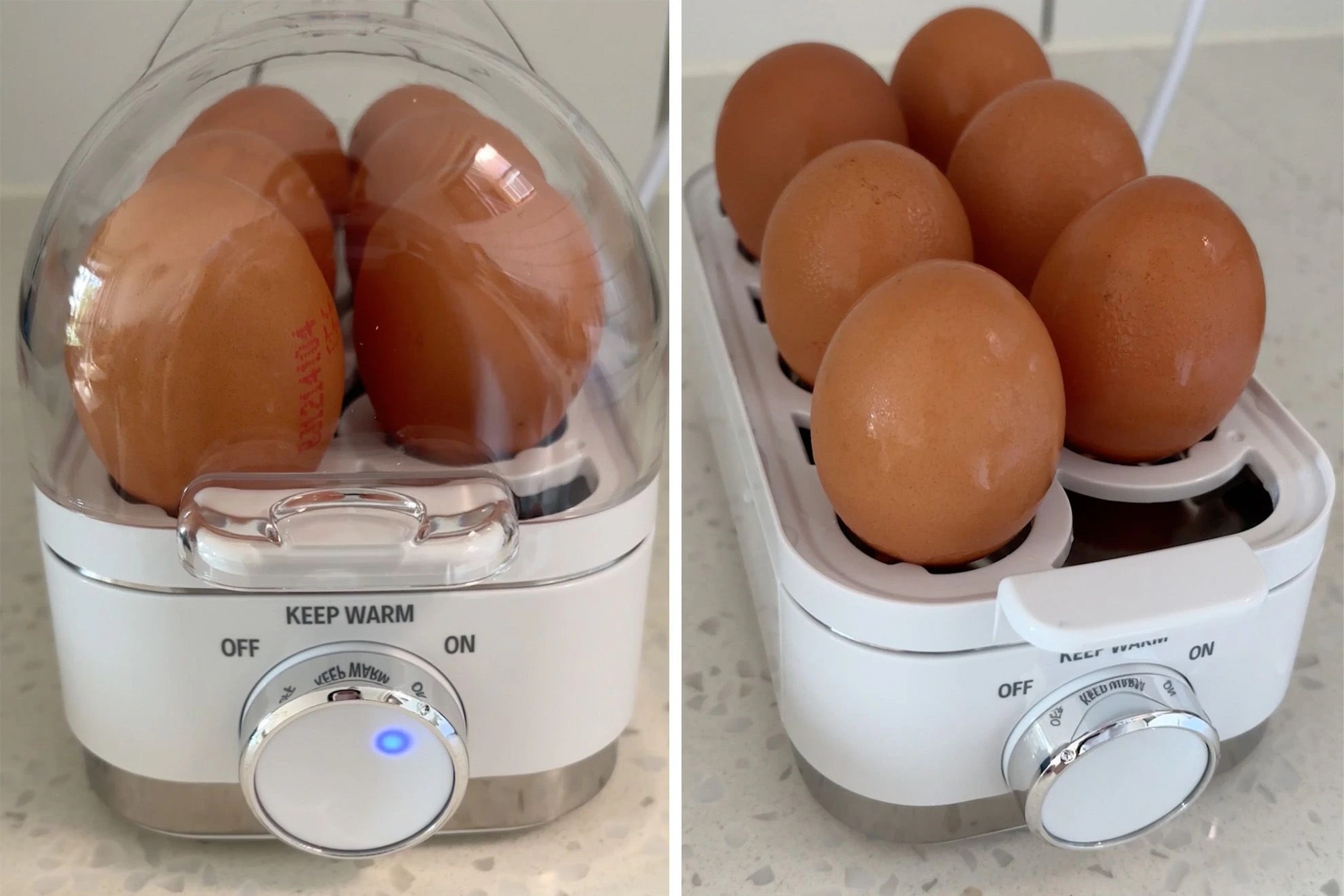
The Evolution of Egg Cooking: Why Silicone?
For centuries, boiling eggs meant one thing: a pot of water and fragile shells. While electric egg cookers brought some automation, they often still involved peeling or specific poaching trays that could sometimes stick. The introduction of the silicone egg cooker marks a significant leap, addressing some of the most common pain points for home cooks.
“I’ve seen countless kitchen gadgets come and go, but silicone egg cookers are a true game-changer for daily egg prep,” notes Chef Elena Petrova, a renowned culinary expert specializing in modern breakfast cuisine. “The ease of use and consistent results mean less stress and more enjoyment in the kitchen.”
Compared to traditional methods, silicone offers:
- Effortless Peeling: No more struggling with shells! Eggs slide right out.
- Consistent Doneness: Achieve your desired yolk consistency without guesswork.
- Reduced Mess: Contain the cooking process, making cleanup a breeze.
- Versatility: Beyond just boiling, they open up possibilities for poaching, steaming, and baking.
Types of Silicone Egg Cookers on the Market
The world of silicone egg cooker offers a diverse range of products, each designed for specific cooking needs:
- Individual Poaching Pods (e.g., Poachpod, OXO Good Grips): These small, flexible cups are perfect for making single poached eggs. You crack an egg directly into a lightly greased pod, then float it in simmering water. They typically feature a tab for easy retrieval. Many models, like the OXO Good Grips Silicone Egg Poachers, are designed with a wide mouth and a bell-shaped bottom to contain the egg white while allowing water to circulate evenly, resulting in a beautifully shaped poached egg.
- “No-Shell” Hard-Boiled Egg Cookers (e.g., Egglettes): These resemble mini, shell-shaped silicone cups with lids. You crack an egg into the cup, seal it, and boil it in water. The cooked egg emerges perfectly shaped, ready to be seasoned and eaten without any peeling. However, proper greasing is crucial to prevent sticking.
- Multi-Cavity Egg Bite Molds (e.g., Dash Deluxe Egg Bite Maker, Instant Pot Silicone Molds): Popularized by coffee shop egg bites, these trays allow you to cook multiple eggs or egg mixtures (with cheese, veggies, meats) simultaneously. They are commonly used in electric pressure cookers (like the Instant Pot), microwaves, or air fryers. The Dash Deluxe Egg Bite Maker, for example, comes with four handled silicone cups for fluffy egg bites in 10-12 minutes.
- Silicone Egg Rings: These are simple rings placed directly in a hot pan to contain an egg, ensuring a perfectly round fried or scrambled egg, ideal for breakfast sandwiches. They prevent the egg from spreading, creating a neat shape.
- Microwave Egg Cookers: Specifically designed for quick microwave use, these silicone bowls or molds allow you to scramble or poach eggs in a minute or two, perfect for a speedy breakfast.
How to Master Your Silicone Egg Cooker: A Step-by-Step Guide
Using a silicone egg cooker is straightforward, but a few pointers will ensure perfection every time.
- Preparation is Key: Lightly grease the inside of each silicone cup or mold with cooking spray or a small amount of oil (like vegetable oil or melted butter). Even though silicone is naturally non-stick, this step is vital for effortless release and easy cleanup.
- Crack with Care: Gently crack one egg into each prepared cup. If making egg bites, you can whisk eggs with milk, cheese, and other ingredients before pouring the mixture into the molds, filling them about two-thirds full to prevent overflow.
- Cooking Method Matters:
- For “no-shell” boiled or poached eggs: Place the filled silicone cups into a pot of gently simmering water. Ensure the water level is sufficient for the cups to float or be submerged as per the manufacturer’s instructions. A gentle simmer (180-190°F or 82-88°C) is ideal to prevent rubbery whites.
- For egg bites in an Instant Pot: Pour 1 cup of water into the inner pot, place the filled silicone mold on a trivet, and cover. Cook on high pressure for about 8-12 minutes, depending on your desired firmness and the number of molds. A natural pressure release for 5-10 minutes often yields the best texture.
- For microwave eggs: Follow the specific instructions for your microwave model, typically cooking for 60-90 seconds per egg.
- Cool Down: Once cooked, immediately transfer the silicone cups to an ice bath or run them under cold water. This stops the cooking process and makes the eggs easier to handle.
- Release and Enjoy: Unscrew lids (if applicable) or gently flex the silicone cups to release your perfectly cooked, shell-free eggs. They should pop right out!
Silicone Egg Cookers vs. Traditional Methods: A Head-to-Head Battle
Let’s break down how silicone egg cookers stack up against classic egg preparation:
| Feature | Traditional Boiling (in shell) | Stovetop Poaching (direct in water) | Electric Egg Cooker | Silicone Egg Cooker |
|---|---|---|---|---|
| Peeling Ease | Often difficult, messy, frustrating | Not applicable (no shell) | Variable, sometimes tricky | Extremely easy, eggs slide out |
| Consistency | Can vary with egg age, cooking time | Requires practice, easy to overcook | Generally good, but can vary | Highly consistent, reliable results |
| Cleanup | Pot to wash, potential shell fragments | Pot to wash, potential wispy whites | Base and trays to clean | Very easy, non-stick silicone, often dishwasher safe |
| Versatility | Boiled eggs only | Poached eggs only | Boiled, poached, omelets | Boiled (shell-free), poached, egg bites, omelets, microwave |
| Time Savings | Medium (includes peeling time) | Medium (requires attention) | Fast for boiling | Fast, especially for multiple eggs/egg bites |
| Added Ingredients | None | None | Limited (omelet tray) | Easy to add mix-ins for egg bites, omelets |
Expert Tips for Perfectly Cooked Eggs Every Time
Achieving egg perfection with your silicone egg cooker is an art, but these tips will make you a master:
- Always Grease: As veteran chef Thomas Keller famously said, “Preparation is everything.” A light coating of cooking spray or oil in your silicone molds is non-negotiable. Without it, even non-stick silicone can stubbornly cling to your eggs, turning your easy breakfast into a struggle.
- Don’t Overfill: When cracking eggs directly or pouring an egg mixture, ensure you fill the cups no more than 2/3 full. Eggs expand slightly during cooking, and overfilling can lead to messy overflows, especially with microwave methods.
- Water Temperature for Poaching: For perfectly tender poached eggs, maintain a gentle simmer (small bubbles, not a rolling boil) around 180-190°F (82-88°C). A rapid boil can make egg whites rubbery.
- Cool Down Swiftly: After cooking, promptly transfer your silicone egg cooker and its contents into an ice bath or under cold running water. This “shock” not only halts the cooking process but also helps the eggs contract slightly, making them even easier to release.
- Experiment with Timings: Cooking times can vary based on your stove, microwave wattage, or pressure cooker model, as well as the desired doneness. Keep notes until you find your sweet spot for soft, medium, or hard-boiled consistencies. For instance, some individual silicone poachers might take longer than traditional methods due to silicone’s heat conduction properties.
- Add Flavor Before You Cook: Don’t wait until after the egg is cooked to season. Add a pinch of salt, pepper, or fresh herbs directly into the egg before cooking for infused flavor. This is particularly effective for egg bites.
Maintaining Your Silicone Egg Cooker: Cleaning and Care
One of the unsung heroes of the silicone egg cooker is its ease of cleaning. Silicone is naturally resistant to food residue and odors, making maintenance a breeze.
- Dishwasher Safe: Most silicone egg cookers are dishwasher safe, allowing for quick and convenient cleaning. Simply place them on the top rack.
- Hand Washing: For hand washing, warm soapy water is usually all it takes. A soft sponge or cloth will remove any residue. Avoid abrasive scrubbers that could damage the silicone.
- Deep Cleaning: If any stubborn residue remains, a baking soda paste can work wonders. Apply, let sit for a few minutes, then scrub gently and rinse.
- Storage: Ensure your silicone egg cooker is completely dry before storing to prevent any lingering odors or mildew. Silicone is flexible, so many models can be folded or stacked to save space in your kitchen drawers.
The Unrivaled Benefits of Embracing a Silicone Egg Cooker
Beyond just convenience, integrating a silicone egg cooker into your kitchen routine brings a host of benefits that elevate your daily meals:
- Effortless Egg Peeling: This is arguably the biggest selling point. Say goodbye to frustrating, shell-ridden eggs. Your eggs will emerge perfectly smooth and ready to eat, a dream come true for meal prep and busy mornings.
- Consistent Results: Whether you prefer jammy soft-boiled eggs or firm hard-boiled ones, silicone cookers help you achieve your desired doneness reliably. This consistency is invaluable for those who value precision in their cooking.
- Time-Saving: With no shells to peel and often multiple cavities, these cookers streamline your breakfast routine, freeing up precious minutes during busy weekdays. Microwave versions can deliver a cooked egg in under a minute!
- Healthier Choices: Easily incorporate vegetables, lean proteins, and cheeses into egg bites, allowing for customized, nutritious, and portion-controlled meals.
- Versatility Beyond Belief: These aren’t just for “boiled” eggs. Use them for poaching, making mini frittatas, crafting perfect breakfast sandwich patties, or even small omelets.
- Food Safety: Made from high-quality, food-grade silicone, these cookers are generally BPA-free and safe for use in high temperatures, microwaves, and dishwashers.
Beyond Boiled: Creative Recipes with Your Silicone Egg Cooker
While perfect “no-shell” boiled eggs are a highlight, the silicone egg cooker truly shines in its versatility. Let your culinary imagination run wild!
- Gourmet Egg Bites: Whisk eggs with a splash of milk or cottage cheese for a creamy texture. Add your favorite mix-ins like crumbled bacon, chopped spinach, feta cheese, diced bell peppers, or mushrooms. Cook in an Instant Pot or oven for a healthy, portable breakfast. “I often use my silicone egg molds to prepare a week’s worth of breakfast egg bites, customizing each batch with different vegetables and cheeses,” shares Chef Liam O’Connell, a seasoned chef based in London.
- Individual Frittatas: Beat eggs with herbs, cheese, and finely chopped veggies. Pour into silicone molds and bake in the oven or cook in an Instant Pot for perfectly portioned, flavorful frittatas.
- Perfect Poached Eggs: Use individual silicone poaching pods for restaurant-quality poached eggs every time. Serve them over avocado toast, eggs Benedict, or a fresh salad.
- Microwave Omelets/Eggwiches: Crack an egg into a microwave-safe silicone bowl, whisk, and add your favorite omelet fillings. Microwave for a quick, fluffy omelet or a perfectly round egg patty for an English muffin or bagel sandwich.
- Sweet Treats (Yes, really!): Some multi-cavity silicone molds can even be used for mini cheesecakes or pancake bites, leveraging the non-stick and flexible properties of silicone.
Frequently Asked Questions About Silicone Egg Cookers
Q: Are silicone egg cookers truly safe to use?
A: Yes, generally. Reputable silicone egg cooker brands use food-grade silicone, which is an inert material, resistant to extreme temperatures (-40°C to 230°C or -40°F to 450°F). They are typically microwave, stovetop, and dishwasher safe, often passing FDA or LFGB tests for safety.
Q: Do I really need to grease the silicone cups if they’re non-stick?
A: Absolutely! While silicone is inherently non-stick, a light coating of cooking spray or oil is highly recommended. This ensures your eggs release cleanly and effortlessly, preventing any sticking and making cleanup even easier.
Q: How long does it take to cook an egg in a silicone egg cooker?
A: Cooking times vary by method and desired doneness. For “no-shell” boiled eggs on the stovetop, it might take 10-15 minutes in simmering water. For egg bites in an Instant Pot, expect 8-12 minutes under high pressure, plus release time. Microwave eggs can be ready in 60-90 seconds. Always refer to your specific product’s instructions and experiment to find your preferred timing.
Q: Can I put a silicone egg cooker directly into boiling water?
A: Yes, individual silicone pods designed for “no-shell” boiling or poaching are meant to float in simmering or boiling water. Ensure the water level is appropriate and the cups are greased.
Q: Do silicone egg cookers make eggs taste different?
A: No, the silicone material itself does not impart any flavor to the eggs. The taste will be purely that of the egg and any seasonings or ingredients you add.
Conclusion
The silicone egg cooker has unequivocally earned its place as an indispensable tool in the modern kitchen. From banishing the bane of eggshell peeling to empowering home cooks with versatile options for perfectly prepared eggs, this innovative gadget simplifies breakfast, streamlines meal prep, and inspires culinary creativity. Whether you’re a busy professional seeking efficiency, a health enthusiast crafting nutritious egg bites, or a family cook aiming for consistent, crowd-pleasing meals, investing in a high-quality silicone egg cooker will undoubtedly enhance your daily routine. So, embrace the ease, revel in the consistency, and transform your egg-cooking experience. Your mornings—and your taste buds—will thank you!