Imagine a world where perfectly cooked eggs, whether soft, medium, or hard-boiled, appear effortlessly on your plate every single time. No more guessing games, no more cracked shells, and definitely no more tedious waiting by a bubbling pot. This isn’t a culinary fantasy; it’s the everyday reality enabled by the marvel of the Stainless Steel Egg Cooker. This indispensable kitchen appliance has revolutionized breakfast and meal prep, offering unparalleled consistency, convenience, and a commitment to healthy eating that modern households truly value.
The Evolution of Effortless Eggs: A Brief History of the Egg Cooker
For centuries, cooking an egg perfectly has been an art form, often challenging even for seasoned home cooks. The traditional stovetop method, while classic, is prone to inconsistencies: fluctuating water temperatures, overcooked yolks, and notoriously difficult-to-peel shells. Enter the humble egg cooker. Born out of a desire to simplify this everyday task, early egg cookers provided a more controlled environment for steaming eggs. Over time, as technology advanced and consumer awareness around kitchen safety and material science grew, these devices evolved. The focus shifted from mere functionality to enhanced user experience, leading to innovations like automatic shut-off features, audible alerts, and, crucially, the integration of premium materials like stainless steel, marking a significant leap forward in both performance and safety.
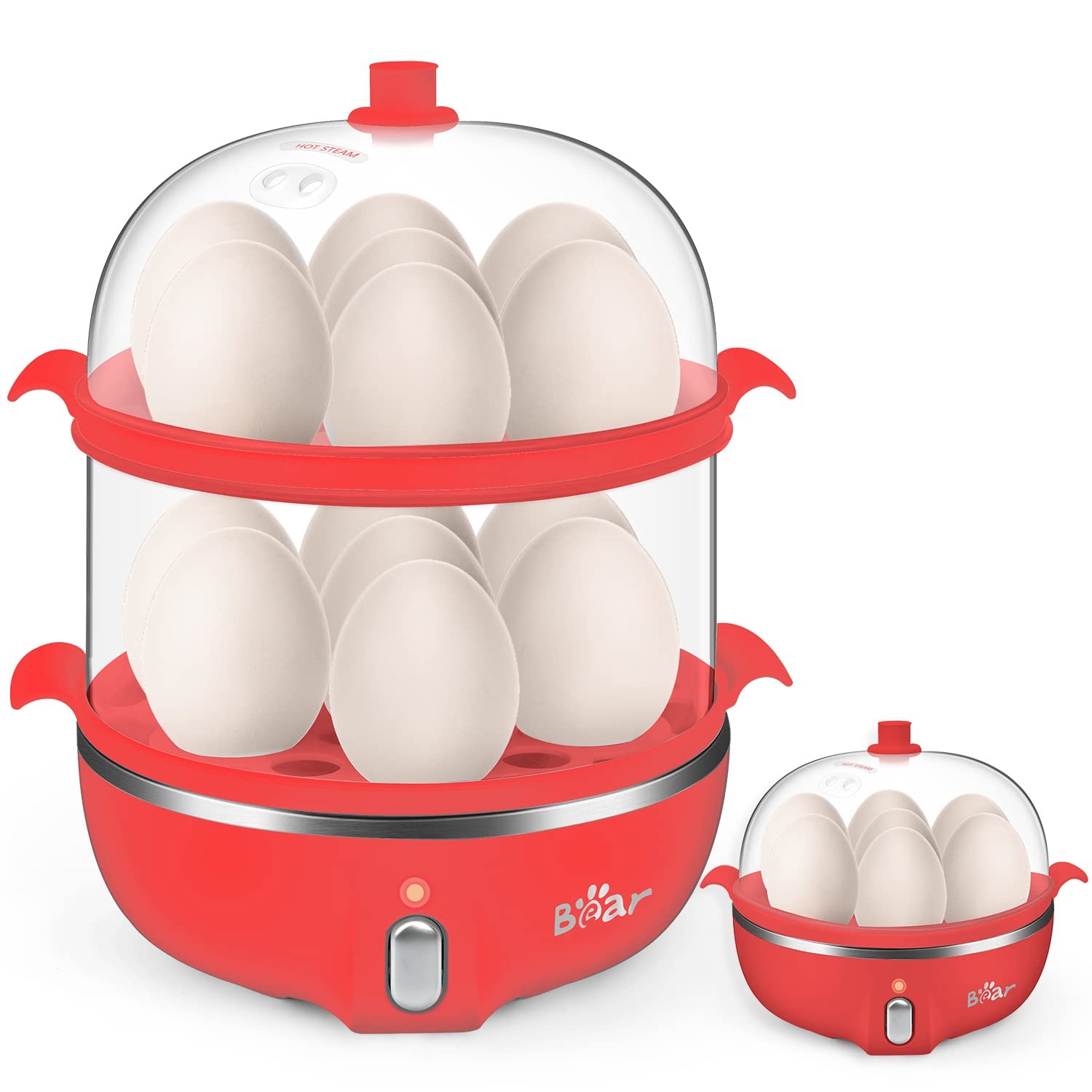
Discovering Your Ideal Match: Popular Types of Egg Cookers and the Stainless Steel Advantage
The market today offers a variety of egg cookers, each designed to cater to different needs. You’ll find compact models perfect for a single serving, multi-tiered units that can handle a dozen eggs for family breakfasts or meal prepping, and even advanced cookers capable of making omelets and poached eggs. While many options exist, the stainless steel egg cooker stands out as a superior choice, offering a blend of robustness, aesthetic appeal, and health-conscious design that sets it apart.
Why Stainless Steel Reigns Supreme in Egg Cooker Design
When it comes to kitchen appliances, material matters. Stainless steel isn’t just a stylish choice; it’s a practical and healthy one. Unlike plastic alternatives, which can sometimes raise concerns about the leaching of endocrine-disrupting chemicals like BPA, BPS, and phthalates when heated, stainless steel offers a non-toxic cooking surface. This ensures that your eggs are cooked safely, preserving their natural goodness without any unwanted additives. Beyond health benefits, stainless steel egg cookers boast exceptional durability. They resist corrosion, rust, and everyday wear and tear, promising years of reliable performance. Their sleek, modern look complements any kitchen decor, adding a touch of sophistication to your countertop. Plus, stainless steel is incredibly easy to clean, often featuring dishwasher-safe components, making cleanup a breeze.
Unlocking Perfection: Your Step-by-Step Guide to Using a Stainless Steel Egg Cooker
Using a stainless steel egg cooker is remarkably simple, transforming egg preparation from a chore into a seamless part of your routine. Here’s how to achieve flawless results every time:
- Prepare Your Eggs: Start by gently piercing the larger end of each egg with the small pin often found on the bottom of the measuring cup provided with your cooker. This tiny hole allows steam to escape during cooking, preventing cracks and making the eggs much easier to peel later.
- Measure the Water: Use the included measuring cup to add the precise amount of water needed for your desired egg consistency. The cup usually has clear markings for soft, medium, and hard-boiled eggs. Less water typically yields softer eggs, while more water creates firmer yolks.
- Add Water to the Heating Plate: Pour the measured water directly onto the heating plate at the base of your egg cooker.
- Load the Eggs: Place the eggs carefully into the egg rack, ensuring the pierced side faces upwards.
- Secure the Lid: Position the lid firmly over the egg rack and heating plate.
- Power On: Plug in your egg cooker and press the power button. Most stainless steel egg cookers feature a simple one-touch operation.
- Relax and Wait: The cooker will automatically steam your eggs to perfection. Once done, an audible alert (a buzzer or chime) will sound, and many models will automatically shut off, preventing overcooking.
- Cool Down (Crucial for Peeling): Immediately transfer the cooked eggs to a bowl of ice water. This “cold shock” instantly stops the cooking process and causes the egg whites to contract, making the shells incredibly easy to peel.
|
Our Picks for the Best Egg Cooker in 2026
As an Amazon Associate I earn from qualifying purchases.
|
||
| Num | Product | Action |
|---|---|---|
| 1 | Hard Boiled Egg Cooker - CACHOO 14-Egg Rapid Stainless Steel Egg Boiler with 30-Min Timer & Auto Shut Off, Compact Electric Vegetable Steamer for Cooking, Dishwasher Safe, Black |

|
| 2 | DASH Electric Rapid Egg Cooker for Hard Boiled/Poached/Scrambled Eggs or Omelets with Auto Shut-Off Feature, Black, 7 Egg Capacity |
|
| 3 | Evoloop Rapid Egg Cooker Electric 6 Eggs Capacity, Soft, Medium, Hard Boiled, Poacher, Omelet Maker Egg Poacher With Auto Shut-Off, BPA Free |
|
| 4 | Elite Gourmet EGC115M Easy Egg Cooker Electric 7-Egg Capacity, Soft, Medium, Hard-Boiled Egg Cooker with Auto Shut-Off, Measuring Cup Included, BPA Free, Retro Mint |
|
| 5 | Smart Fried Egg Cooker, Automatic Fried Egg Maker for 6 Features like Sunny Side Up, Over Easy, Fully Cooked & More. Auto Power Off, Alarm, Round Shape, Non Stick Coating |
|
| 6 | Dash Rapid Egg Cooker - Boiler, Poacher & Steamer - Includes Measuring & Recipe Guide - Dishwasher Safe - Holds 7 Eggs, Aqua |
|
| 7 | Elite Gourmet EGC1215B Easy Egg Cooker, Stainless-steel Heating Plate, Two-Tiered, 14-Egg Capacity, Soft, Medium, Hard-Boiled, Auto Shut-Off, Omelets, Poached Eggs, Measuring Cup, Piercing Pin, Black |
|
| 8 | Elite Gourmet EGC115B Easy Egg Cooker Electric 7-Egg Capacity, Soft, Medium, Hard-Boiled Egg Cooker with Auto Shut-Off, Measuring Cup Included, BPA Free, Classic Black |
|
| 9 | Evoloop Rapid Egg Cooker Electric 6 Eggs Capacity, Soft, Medium, Hard Boiled, Poacher, Omelet Maker Egg Poacher With Auto Shut-Off, BPA Free |
|
| 10 | Elite Gourmet EGC-007B# Rapid Egg Cooker, 7 Easy-To-Peel, Hard, Medium, Soft Boiled Eggs, Poacher, Omelet Maker, Auto Shut-Off, Alarm, 16-Recipe Booklet, Black |
|
The Great Egg Debate: Traditional Boiling vs. the Stainless Steel Egg Cooker
For generations, the stovetop pot has been the go-to for boiling eggs. However, this method comes with its fair share of frustrations. Achieving consistent doneness can be tricky, often resulting in yolks that are either too runny or chalky green. The constant monitoring to prevent boil-overs and the struggle with stubborn shells are common complaints. A stainless steel egg cooker eliminates these issues entirely. By using a precise amount of water to generate steam, it creates a consistent cooking environment that delivers perfectly cooked eggs, from jammy soft-boiled to firm hard-boiled, every single time. The steam cooking also helps to separate the membrane from the shell, making peeling remarkably easier compared to traditional boiling. It’s a hands-off approach that saves time and guarantees predictable results.
Master Your Morning: Tips and Tricks for Flawless Eggs with Your Stainless Steel Cooker
Even with an advanced stainless steel egg cooker, a few expert tips can elevate your egg game:
- Always Use the Ice Bath: This step is non-negotiable for easy peeling and halting the cooking process.
- Don’t Overfill: Stick to the recommended egg capacity of your cooker to ensure even cooking.
- Piercing is Key: The tiny hole truly prevents cracks and helps with peeling. Don’t skip it!
- Experiment with Water Levels: While the measuring cup provides guidelines, you might find a slight adjustment works best for your preferred yolk consistency and egg size.
- Freshness Matters: Fresher eggs can sometimes be a bit harder to peel, even with an egg cooker. Older eggs (a week or two old) often peel more easily.
Keeping It Pristine: Maintenance and Cleaning for Your Stainless Steel Egg Cooker
Maintaining your stainless steel egg cooker is as straightforward as using it. Most models feature removable parts like the egg rack, poaching trays, and lid, which are typically dishwasher-safe or easily washed by hand with warm, soapy water. For the heating plate, which might develop mineral deposits (scale) over time due to water evaporation, a simple descaling solution of water and white vinegar can work wonders. Just run the cooker with this mixture, let it cool, then wipe clean. Regular cleaning not only keeps your appliance hygienic but also ensures its longevity and optimal performance.
Beyond Breakfast: The Undeniable Benefits of a Stainless Steel Egg Cooker
The advantages of integrating a stainless steel egg cooker into your kitchen extend far beyond just simplifying breakfast. It’s a device that promotes healthy eating by making protein-rich eggs readily available, supports efficient meal planning, and reduces kitchen stress. The consistency it offers means you can confidently prepare large batches of hard-boiled eggs for salads, sandwiches, or snacks without worrying about a single wasted egg. Its energy efficiency, using only the necessary amount of water and power, makes it an environmentally conscious choice. For busy individuals and families, it’s a time-saving hero, freeing up precious minutes in the morning.
Culinary Canvas: Delicious Dishes You Can Create with Your Stainless Steel Egg Cooker
A stainless steel egg cooker isn’t just for plain boiled eggs; it’s a versatile tool that opens up a world of culinary possibilities. Here are just a few ideas:
- Classic Deviled Eggs: Perfect for parties or a protein-packed snack.
- Egg Salad Sandwiches: Quick, nutritious, and always a crowd-pleaser.
- Niçoise Salad: Elevate your salad with perfectly firm hard-boiled eggs.
- Ramen Topping: A beautifully jammy soft-boiled egg is the ideal complement to a steaming bowl of ramen.
- Avocado Toast with Poached Eggs: Achieve café-quality poached eggs with minimal effort.
- Homemade Omelets or Egg Bites: Many multi-function models come with attachments to steam fluffy omelets or convenient egg bites, perfect for grab-and-go breakfasts.
- Steamed Vegetables: Some cookers can even steam small portions of vegetables, making them even more versatile.
As Chef Julian Thorne, a renowned expert in modern kitchen appliances, often states, “A stainless steel egg cooker is more than just a gadget; it’s a testament to smart kitchen design, delivering consistent, healthy results with minimal fuss. It empowers home cooks to achieve professional-level precision with one of the most fundamental ingredients.”
Frequently Asked Questions About Stainless Steel Egg Cookers
What makes a stainless steel egg cooker healthier than a plastic one?
A stainless steel egg cooker is generally considered healthier because it eliminates the risk of plastic chemicals like BPA, BPS, and phthalates leaching into your food, especially under heat. Stainless steel is a non-reactive, food-grade material that is completely safe.
Can I really get perfect soft, medium, and hard-boiled eggs every time?
Yes, absolutely! The precise water measurement and steam cooking method of a good stainless steel egg cooker ensure consistent results for soft, medium, or hard-boiled eggs, taking the guesswork out of the process.
Are stainless steel egg cookers easy to clean?
Most stainless steel egg cookers are very easy to clean. Their removable parts, often made of stainless steel or BPA-free plastic, are typically dishwasher-safe. The heating plate can be easily descaled with vinegar if mineral deposits occur.
Do I need to pierce the eggs before cooking in a stainless steel egg cooker?
Yes, it is highly recommended to gently pierce the wider end of each egg before cooking. This helps prevent the shells from cracking due during steaming and makes the eggs much easier to peel once cooked.
How long does it take to cook eggs in a stainless steel egg cooker?
Cooking times vary slightly by model and desired doneness, but generally, soft-boiled eggs can be ready in about 6-8 minutes, medium-boiled in 9-11 minutes, and hard-boiled in 12-15 minutes, often faster than traditional stovetop methods.
Can I cook poached eggs or omelets in all stainless steel egg cookers?
While all stainless steel egg cookers excel at boiling, not all models include accessories for poaching or making omelets. If these functions are important to you, look for a multi-function model that specifically advertises these capabilities and includes the necessary trays.
Is a stainless steel egg cooker energy efficient?
Yes, egg cookers are generally very energy-efficient. They use a small, measured amount of water, which heats up quickly, requiring less energy compared to boiling a large pot of water on a stovetop.
Conclusion
The stainless steel egg cooker is far more than just another kitchen gadget; it’s a strategic investment in your health, time, and culinary confidence. It promises consistent, perfectly cooked eggs without the hassle and guesswork of traditional methods, all while offering the peace of mind that comes with a durable, non-toxic appliance. From simplifying your morning routine to expanding your meal prep possibilities, this elegant and efficient device will quickly become an indispensable ally in your kitchen. Embrace the future of egg cooking and discover the transformative power of a high-quality stainless steel egg cooker – your taste buds, and your busy schedule, will thank you.